








ABE MAGAZINE | BUSINESS & INDUSTRY
October 15, 2026
Global fuel shortages are creating an unusual divide in the energy economy. Oil refiners are benefiting from stronger margins as disruptions tighten supplies of diesel and jet fuel, while airlines, transportation companies and manufacturers face rising operating costs. The consequences extend far beyond the oil industry, raising questions about who benefits from higher energy prices and who ultimately pays the price.
A Profitable Moment for Oil Refiners
The global energy industry is experiencing a striking imbalance. While rising fuel prices are placing pressure on businesses and consumers, some oil refiners are benefiting from exceptionally strong market conditions.
On October 15, French energy company TotalEnergies reported that its European refining margin indicator reached $33.20 per barrel in the third quarter of 2026, compared with $13.50 in the preceding quarter and $8.40 a year earlier. The increase illustrates how disruptions to fuel supplies can create substantial financial opportunities for companies capable of processing crude oil into products that remain in high demand.
But stronger refining margins do not automatically mean equivalent increases in net profits. Refiners must still pay for energy, labour, maintenance, transportation and investment. The indicator nevertheless shows that the market value of refined products has risen sharply relative to their underlying production inputs.
For the wider economy, the same conditions tell a different story. Higher prices for diesel and jet fuel can raise the cost of transporting goods, operating aircraft and maintaining industrial activity, creating an uneven distribution of benefits and financial pressure.
Why Refining Has Become a Bottleneck
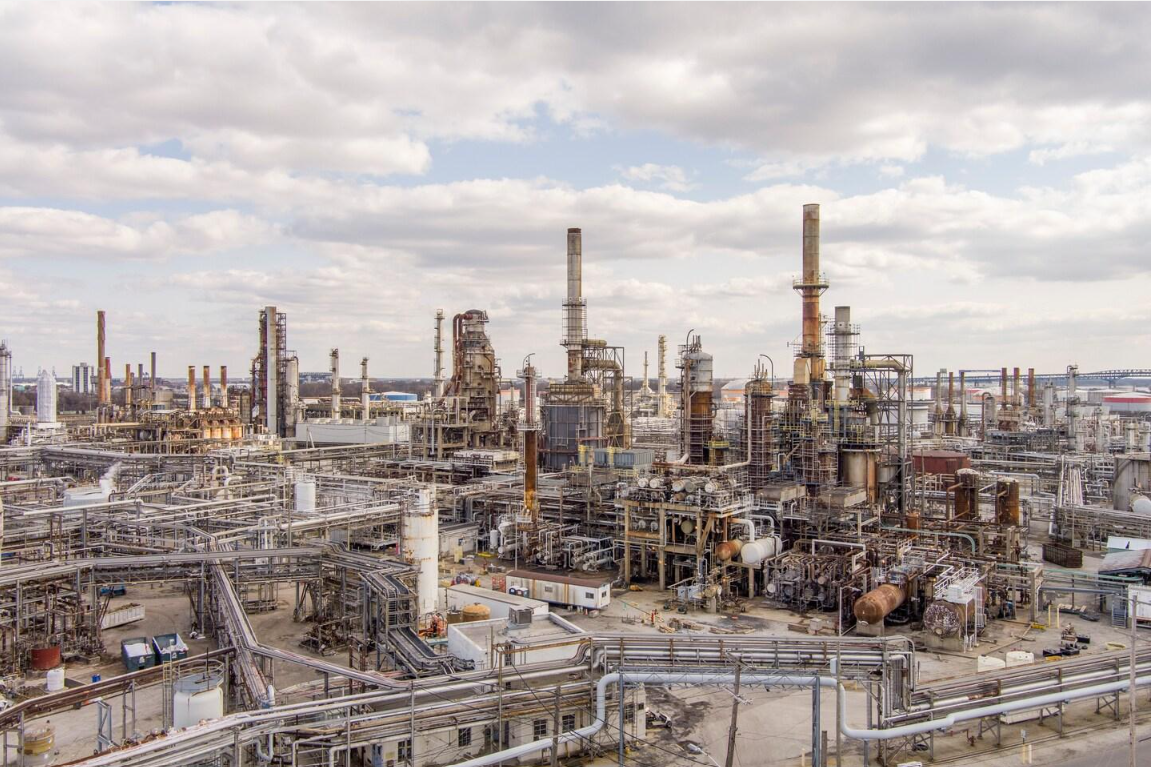
Crude oil cannot power most modern transportation systems without first being processed into usable fuels. Refineries convert it into products including gasoline, diesel and aviation fuel, making them a critical link between oil production and economic activity.
That link has come under strain during 2026. Conflict in the Middle East, damage to Russian refining infrastructure and disruptions affecting production and exports have reduced the availability of certain refined fuels. The International Energy Agency reported on October 14 that combined diesel exports from Russia and the Middle East were approximately 1.3 million barrels per day lower in September than a year earlier.
The result is a shortage of refining capacity and finished products relative to demand in important markets. Even when crude oil is available, buyers may struggle to obtain sufficient quantities of the particular fuels they need.
This imbalance has increased refining margins, often measured through the difference between the market price of a refined fuel and the cost of crude oil used to produce it. The U.S. Energy Information Administration reported that diesel and jet fuel refining spreads during the third quarter were almost three times their levels a year earlier.
These figures reveal why oil prices alone do not explain the cost of fuel. The ability to process and distribute petroleum products has become increasingly important.
Airlines and Transport Companies Face the Other Side
For airlines, higher jet fuel prices represent a direct threat to profitability. Fuel is among their largest operating expenses, and even strong passenger demand cannot guarantee that increased costs will be fully recovered through ticket prices.
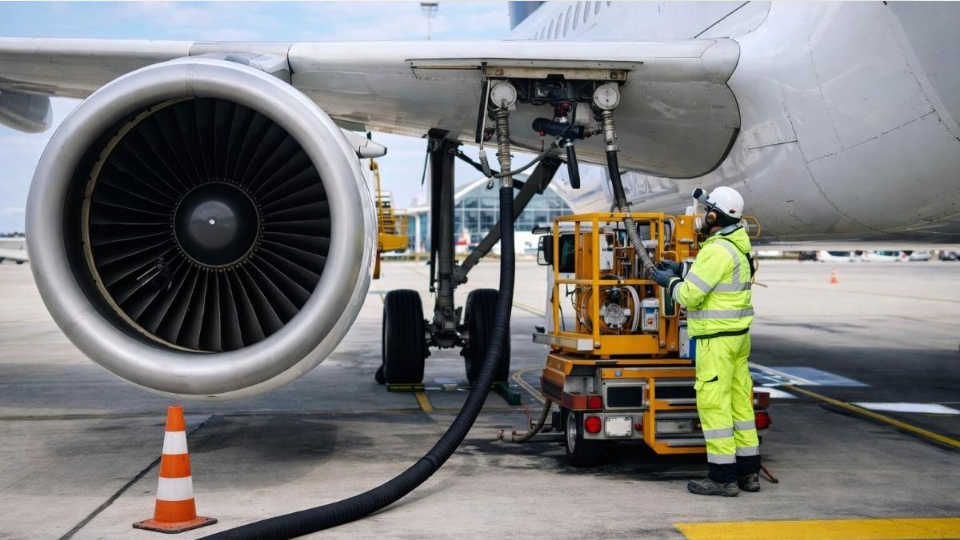
Delta Air Lines demonstrated the problem when it reduced its annual profit outlook on October 9. The company reported that third-quarter fuel expenses increased 62% from a year earlier to $4.1 billion, while its projected annual fuel bill was approximately $6 billion higher than in 2025.
Delta also offers an unusual example of how refining and aviation economics intersect. Unlike most major U.S. carriers, the company owns a refinery near Philadelphia, allowing it to capture some refining profits that partially offset higher fuel costs. Even with that advantage, the airline expects fuel expenses to remain elevated.
Road transportation businesses face similar difficulties. Diesel powers commercial trucks, delivery fleets and substantial parts of industrial logistics. When diesel becomes more expensive, carriers must either absorb the increase, negotiate higher shipping rates or introduce fuel surcharges.

Those decisions eventually influence manufacturers, retailers and consumers. A rise in the cost of moving products can spread through supply chains, adding pressure to businesses that may already be dealing with weaker demand or limited pricing flexibility.
Why High Margins Are Not Universal Profits
The benefits of elevated refining margins are not distributed equally across the industry. Geography, refinery efficiency, access to crude oil and transportation costs can determine whether an operator captures the apparent market opportunity.
In its October oil market report, the International Energy Agency noted that discounted crude supplies helped push U.S. refining margins to exceptional levels. European and Asian refiners, however, faced pressure from higher freight charges and crude acquisition costs.
This distinction is essential. A refinery may sell diesel at a higher price but also pay significantly more to secure and transport the crude oil required to produce it. Facilities that cannot access suitable feedstocks or operate reliably may struggle despite strong headline margins.
TotalEnergies has also emphasized that gross refining margins are not the same as accounting profits. Refining remains capital-intensive and cyclical, with substantial spending required to maintain facilities, meet environmental standards and improve operational reliability.
The current market therefore rewards not simply ownership of a refinery, but the ability to operate efficiently during a period of constrained supply.
The Economic Risks Could Extend Into 2027
The pressure on fuel markets may not disappear quickly. The International Energy Agency warned that diesel shortages could persist well into 2027 as supply disruptions, depleted inventories and seasonal demand complicate the recovery.
This creates broader economic risks. Higher diesel costs can contribute to inflation by increasing the expense of transporting food, manufactured products and industrial materials. Rising aviation fuel costs may also affect passenger fares and the financial outlook for airlines.
Governments and businesses face difficult choices. Increasing refinery output could relieve some pressure, but damaged infrastructure, logistical constraints and investment requirements limit how quickly additional fuel can reach markets.
The situation also exposes the importance of energy security. Countries dependent on imported refined products can remain vulnerable even when crude oil supplies appear adequate. Reliable processing capacity, diversified suppliers and efficient transportation networks have become strategic economic assets.
For businesses, the immediate challenge is managing costs without assuming that fuel markets will normalize rapidly.
THE ABE TAKE
The refining industry’s current strength demonstrates a fundamental feature of modern markets: scarcity can generate profits for one sector while creating serious difficulties for another.
Higher refining margins are not necessarily evidence of extraordinary profits across every refinery. They reflect a disruption in the relationship between crude oil availability, processing capacity and demand for finished fuels. The companies best positioned to manage that disruption may benefit financially, while fuel-dependent industries absorb much of the pressure.
For airlines, logistics providers and manufacturers, the lesson is that energy risk extends beyond the price of crude oil. Access to reliable fuel supplies, contract structures and operational efficiency can be just as important.
For policymakers, the challenge is longer-term. Energy security requires more than sufficient oil production; it also depends on resilient refining infrastructure and dependable distribution networks.
Ultimately, the global economy cannot judge the health of its energy system solely by the profitability of oil companies. A market that rewards some refiners while imposing severe costs on transportation and industry reveals an imbalance that may take considerable time to resolve.
ABE MAGAZINE
Understand More. Think Bigger.