








ABE MAGAZINE | AVIATION & BUSINESS
October 14, 2026
Airbus and Boeing are increasing aircraft deliveries, offering airlines some relief after years of manufacturing disruptions. But a shortage of modern aircraft, expensive fuel and rising operating costs continue to expose the financial fragility of an industry facing strong demand but limited room for error.
More Aircraft, but Not Enough Relief
The world’s two largest commercial aircraft manufacturers are delivering more planes, offering signs that the aviation industry’s prolonged production difficulties are gradually easing. Yet for airlines waiting to expand their fleets or replace older aircraft, the recovery remains far from sufficient. Strong passenger demand has returned, but the cost of operating flights continues to rise.
Airbus delivered 72 commercial aircraft to 37 customers in September 2026, bringing its total for the first nine months of the year to 547. Boeing, meanwhile, reported 161 commercial aircraft deliveries in the third quarter, taking its January-to-September total to 475. The figures demonstrate improving production and delivery activity, although manufacturers continue to face significant supply-chain constraints.
The challenge is that airlines cannot operate on delivery announcements alone. Aircraft must arrive on schedule, enter service reliably and generate enough revenue to cover their operating costs. Delays force carriers to adjust routes, extend the use of older planes and sometimes lease replacement aircraft at higher prices.
The result is an unusual situation: manufacturers are producing more aircraft, passengers are continuing to travel, and airlines are still struggling to protect profitability.
An Aircraft Shortage Years in the Making
The aviation industry’s supply problems began during the pandemic, when aircraft production slowed sharply and global supply chains were disrupted. As passenger demand recovered, manufacturers struggled to rebuild production capacity at the same pace. Shortages of engines, components and skilled workers complicated efforts to accelerate deliveries.
According to the International Air Transport Association, the global commercial aircraft order backlog reached approximately 18,100 in May 2026. The association estimated that the industry faced a shortfall of roughly 5,600 aircraft compared with the fleet that might have existed had pre-pandemic production trends continued.
These figures reveal why higher monthly deliveries do not immediately solve the problem. Airlines have placed orders for aircraft they may not receive for years, while existing fleets are being used more intensively. The average age of the global commercial fleet has also increased, creating additional maintenance requirements and reducing some of the fuel-efficiency benefits expected from newer models.
For carriers planning international expansion, fleet availability has become a strategic limitation. A profitable route may be difficult to launch without suitable aircraft, while an older plane may make certain services less economically attractive.
Airbus and Boeing Face Different Challenges
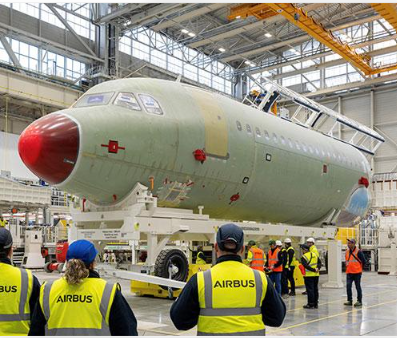
Although both manufacturers are attempting to increase production, their circumstances are not identical. Airbus has benefited from strong demand for its A320 family, particularly the larger A321neo, but it continues to face pressure from component availability and the complexity of coordinating a global manufacturing network.
In September, Airbus opened a new delivery centre in Toulouse designed to streamline final preparations and customer handovers for A320-family aircraft. The manufacturer has also invested in wing production in the United Kingdom, demonstrating its efforts to expand industrial capacity and reduce bottlenecks.
Boeing is pursuing its own production recovery while rebuilding confidence in manufacturing quality and operational discipline. Its third-quarter deliveries included 124 aircraft from the 737 programme and 22 from the 787 programme. These figures suggest that production is becoming more consistent, although the company must maintain reliability as output increases.
For airlines, the competition between Airbus and Boeing remains essential. A healthy manufacturing industry provides carriers with more options, but both manufacturers must deliver aircraft safely, predictably and at a pace that supports customers’ growth plans.
Fuel Costs Are Undermining Airline Profits
Even as aircraft availability improves, fuel has become a major financial threat. Higher energy prices linked to geopolitical tensions have increased the cost of operating flights, creating difficulties for airlines attempting to balance ticket prices with passenger demand.
In June, IATA forecast that global airline net profits would fall to approximately $23 billion in 2026, down from $45 billion in 2025. The projected net profit margin was just 2%, despite expectations that the industry would generate more than $1 trillion in annual revenue.
Recent company results reinforce the concern. Delta Air Lines reduced its 2026 profit outlook in October as rising fuel expenses outpaced gains from higher ticket prices. The carrier warned that further restrictions on capacity growth could be necessary to protect profitability.
The interaction between fuel costs and aircraft shortages is particularly damaging. Newer aircraft generally offer better fuel efficiency, but delivery delays leave airlines operating older models for longer. When fuel prices rise, the financial consequences of those delays become more severe.
Strong Demand Does Not Guarantee Strong Profits
The airline industry illustrates an important distinction between commercial activity and financial performance. Airports may be busy, aircraft may be full and ticket prices may rise, yet airlines can still struggle to earn attractive returns.
IATA expects airlines to carry approximately 5.1 billion passengers in 2026, with an average passenger load factor of 84%. These figures indicate substantial demand for air travel, but they do not eliminate the pressures created by fuel, maintenance, labour, leasing and financing expenses.
Airlines also operate in a highly competitive market. Increasing ticket prices can help offset higher costs, but excessive fare increases may discourage passengers or shift demand toward competing carriers. Companies must therefore balance revenue growth with careful control of capacity and expenses.
For passengers, the consequences may include higher fares, fewer available seats on certain routes and slower expansion of airline networks. For investors, the central concern is whether airlines can turn strong travel demand into sustainable profitability.
THE ABE TAKE
The recovery in aircraft deliveries is encouraging, but it should not be mistaken for a complete recovery in the economics of aviation. Airbus and Boeing are gradually increasing output, while airlines continue to face an accumulated shortage of aircraft and a cost environment that leaves little protection against unexpected disruptions.
The industry’s difficulties reveal how closely manufacturing performance and airline profitability are connected. A delayed aircraft is not merely a production problem. It can become a financial problem for an airline, a capacity problem for an airport and ultimately a pricing problem for passengers.
The next phase of aviation’s recovery will depend on more than the number of aircraft leaving factories. Manufacturers must restore dependable production schedules, while airlines must manage fuel exposure, fleet investment and operating efficiency.
Air travel remains a vital part of the global economy. But the industry’s long-term strength will depend on its ability to convert strong demand into reliable operations and sustainable profits.
ABE MAGAZINE
Understand More. Think Bigger.