







ABE MAGAZINE | GLOBAL ECONOMY
October 15, 2026
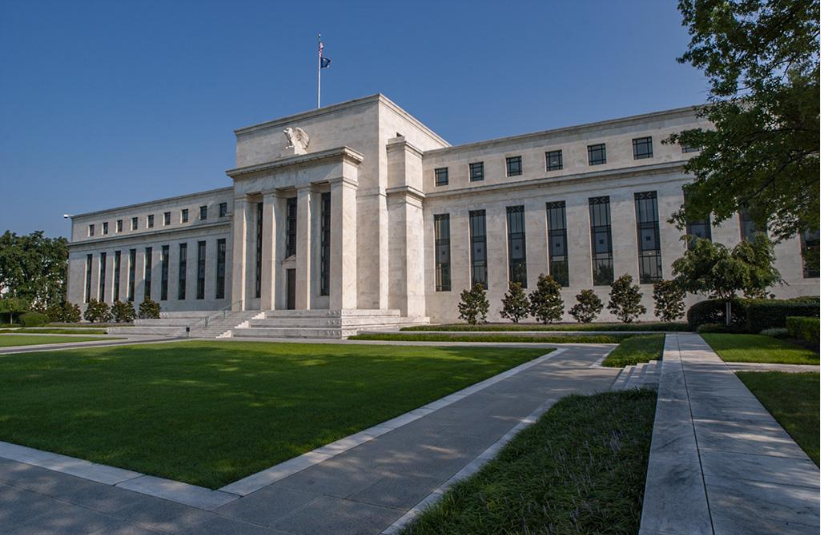
U.S. consumer inflation accelerated in September, driven largely by rising energy prices and persistent costs across several sectors. The latest figures have complicated the Federal Reserve’s interest-rate outlook, raising difficult questions about how policymakers can control inflation without placing additional pressure on households, businesses and employment.
Inflation Is Moving in the Wrong Direction
The United States is facing renewed inflation pressure at a moment when businesses and households are looking for greater economic stability. Consumer prices increased faster in September, raising fresh doubts about whether the Federal Reserve can bring inflation under control without keeping borrowing costs elevated.
According to figures released by the Bureau of Labor Statistics on October 14, the Consumer Price Index increased 3.7% over the preceding 12 months, compared with 3.4% in August. Prices rose 0.6% during September alone, following a 0.4% increase in the previous month.
The acceleration matters because inflation remains above the Federal Reserve’s 2% objective. Although the central bank formally targets inflation using the Personal Consumption Expenditures price index rather than the CPI, the latest consumer-price figures provide an important indication of where price pressures may be heading.
The report has also changed expectations for monetary policy. Investors who previously anticipated a period of stable interest rates are now considering whether another increase may be necessary to prevent inflation from becoming more persistent.
Energy Prices Are Driving the Increase
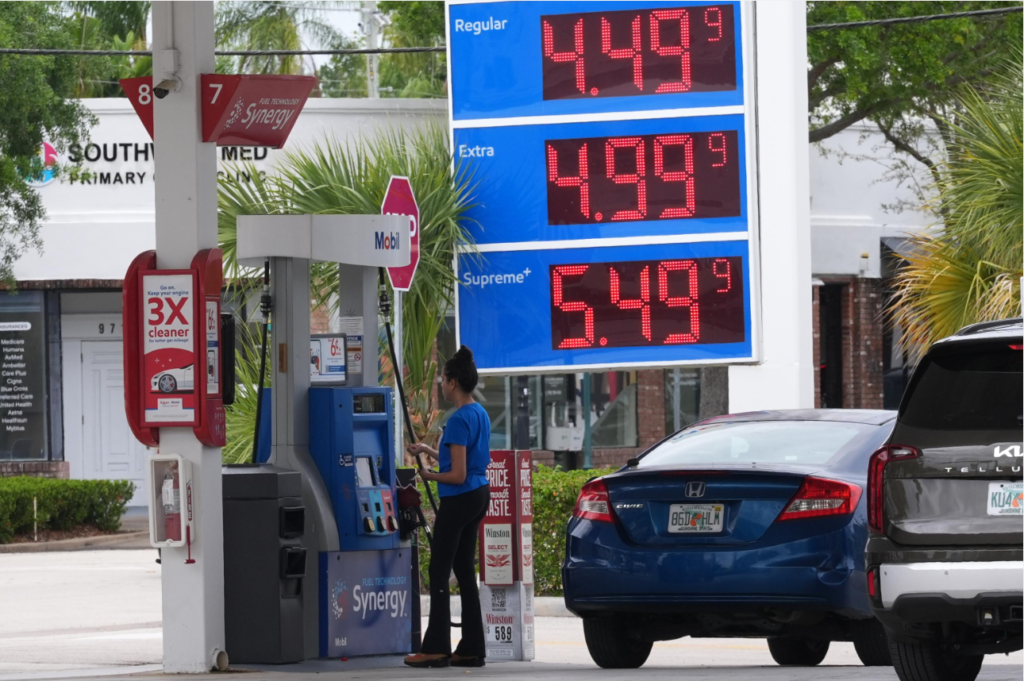
Energy was the most significant contributor to September’s inflation increase. Gasoline prices rose 9.1% during the month, accounting for more than half of the overall monthly rise in consumer prices. The broader energy index increased 5.2%, while energy prices were 20.4% higher than a year earlier.
These increases reflect the vulnerability of consumer prices to developments in international energy markets. Geopolitical disruptions can affect oil supplies and transportation costs, creating inflationary pressure that extends beyond fuel stations.
For households, rising gasoline prices reduce the income available for other purchases. For businesses, higher energy costs can increase the expense of transporting products, operating facilities and delivering services. Companies must then decide whether to absorb those costs through lower profit margins or pass them on to customers.
However, energy is not the entire story. Core consumer inflation, which excludes food and energy, increased 0.3% in September and reached 2.6% over the year. The shelter index also rose 0.4% during the month, while prices increased in categories including recreation, education, used vehicles and airline travel.
This broader pattern suggests that policymakers cannot assume inflation will disappear automatically if gasoline prices stabilize.
The Federal Reserve Faces a Difficult Decision
The Federal Reserve’s challenge is to balance two responsibilities: maintaining price stability and supporting maximum sustainable employment. Higher interest rates can help reduce inflation by making borrowing more expensive, discouraging some spending and slowing demand. But the same policy can also weaken investment, hiring and economic growth.
The central bank’s current federal funds target range stands at 3.75% to 4.00%, following a rate increase in September. Its next scheduled policy meeting takes place on October 27–28, leaving officials to assess whether another increase is justified.
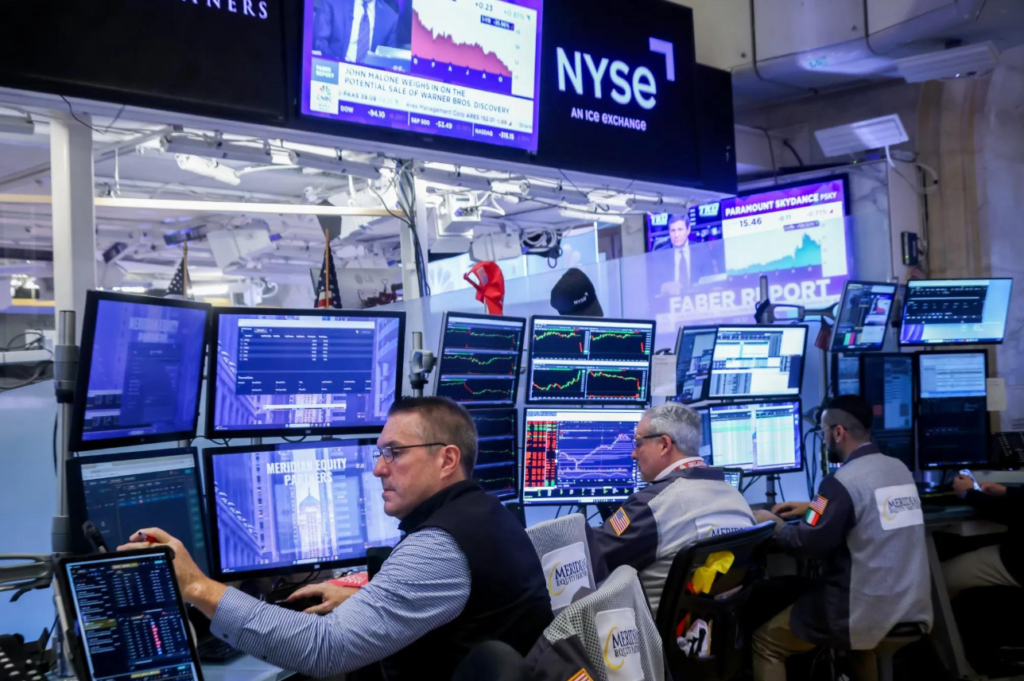
Financial markets reacted quickly to the inflation report. Reuters reported that the probability implied by interest-rate futures of an October rate increase rose from approximately 22% to around 45% after the data were released.
That change does not mean a rate increase is certain. It reflects growing uncertainty about the appropriate response to inflation that is proving more persistent than expected.
Policymakers must also consider employment conditions. Raising rates too aggressively could discourage businesses from expanding or hiring, particularly if economic activity is already slowing. Waiting too long, however, could allow higher prices to become embedded in consumer and business expectations.
Why Businesses Are Watching Closely
Interest-rate decisions influence far more than financial markets. For businesses, borrowing costs affect decisions about expansion, equipment purchases, commercial property and working capital. Higher rates can make otherwise attractive investments less profitable.
Small and medium-sized businesses may be particularly exposed because they often have fewer financing alternatives than large corporations. Companies carrying variable-rate debt or needing to refinance existing loans can experience additional pressure when interest rates remain elevated.
Consumers face similar challenges. Mortgage rates, credit-card borrowing and other forms of financing can become more expensive, reducing disposable income and limiting spending on discretionary products and services.
These effects create difficult conditions for retailers, manufacturers and service providers. Businesses may encounter higher operating expenses at the same time that customers become more cautious about spending.
The consequences can extend internationally. Changes in U.S. interest-rate expectations influence global bond yields, currency markets and investment flows, making Federal Reserve decisions important to companies and governments well beyond the United States.
Inflation Is Not the Same as the Cost of Living
One important distinction is often overlooked in discussions about inflation. A lower inflation rate does not necessarily mean prices are falling. It means prices are increasing more slowly.
For households that have already experienced several years of higher costs, even moderate inflation can remain financially difficult. A renewed acceleration adds to those pressures, particularly when essential expenses such as energy and housing account for a substantial share of household budgets.
The latest figures therefore present a broader economic problem than a single disappointing report. Policymakers must restore confidence that price increases will become manageable, while businesses and consumers need enough financial stability to make longer-term decisions.
The coming months will test whether inflation can ease without a significant deterioration in employment or business activity.
THE ABE TAKE
The latest U.S. inflation figures have complicated an already difficult economic balancing act. Energy prices are responsible for much of the recent acceleration, but persistent increases in other categories suggest that inflation cannot be treated solely as a temporary fuel-price problem.
The Federal Reserve must respond carefully. Keeping monetary policy too loose risks allowing inflation to remain elevated, while tightening too aggressively could damage employment and investment. Neither outcome would provide the stability businesses and households need.
For companies, the most sensible response is to prepare for continued uncertainty rather than assume that borrowing costs will decline quickly. Strong cash-flow management, disciplined investment and realistic pricing strategies will remain important.
Ultimately, the success of U.S. monetary policy should not be judged by one interest-rate decision. It should be measured by whether inflation returns to a sustainable level while the economy retains the capacity to create jobs, support investment and improve living standards.
ABE MAGAZINE
Understand More. Think Bigger.