










ABE MAGAZINE | HEALTHCARE & BUSINESS
October 14, 2026
The world’s largest pharmaceutical companies are confronting expiring patents, changing drug-pricing policies and a growing field of biotechnology competitors. As new partnerships reshape the market for obesity treatments, the industry’s next era will be defined by who can develop better medicines, protect revenue and make innovation commercially sustainable.
A New Competitive Reality for Big Pharma
The global pharmaceutical industry is entering a period of unusually intense competition. For decades, major drugmakers have relied on successful patented medicines to generate substantial revenues, finance research and support the development of new treatments. That business model remains powerful, but a combination of patent expirations, government pricing policies and advances in biotechnology is beginning to challenge its foundations.
The pressure is becoming increasingly visible. According to forecasting data from Evaluate, reported in October, more than $500 billion in worldwide prescription-drug sales could be exposed to generic competition between 2026 and 2032. The figure represents the sales associated with medicines facing potential loss of exclusivity over that period, not a prediction that pharmaceutical companies will lose $500 billion in revenue.
At the same time, competition is accelerating in some of medicine’s fastest-growing categories. Obesity treatments have become a major focus for international pharmaceutical companies, while smaller biotechnology businesses are attracting investment and licensing agreements from established manufacturers. The industry is no longer competing only to discover successful medicines; it is also racing to replace products whose commercial protection is approaching its end.
The Patent Expiration Problem
Patents and regulatory exclusivity give pharmaceutical companies a period in which they can sell innovative medicines without direct competition from certain lower-cost alternatives. These protections help companies recover the substantial expenses involved in research, clinical trials and regulatory approval. When exclusivity ends, generic or biosimilar competitors can enter the market, often creating significant pressure on prices and sales.

The coming wave of expirations is particularly important because many affected products generate billions of dollars annually. Evaluate’s forecasts identify approximately $99 billion in worldwide drug sales exposed to patent expiration in 2028 alone, with an even larger concentration of exposure projected for 2031.
Merck faces a significant challenge as its cancer treatment Keytruda approaches important exclusivity losses later this decade. Other major companies, including Johnson & Johnson, Sanofi, AbbVie and AstraZeneca, also have important products facing competitive pressure over the coming years. The timing and commercial impact will vary across medicines and national markets because patent protections and regulatory rules differ.
For pharmaceutical executives, replacing this revenue requires more than launching additional products. New treatments must succeed in clinical development, receive regulatory approval, demonstrate value to healthcare systems and reach sufficient numbers of patients to become commercially sustainable.
Obesity Treatments Are Becoming a Global Battleground
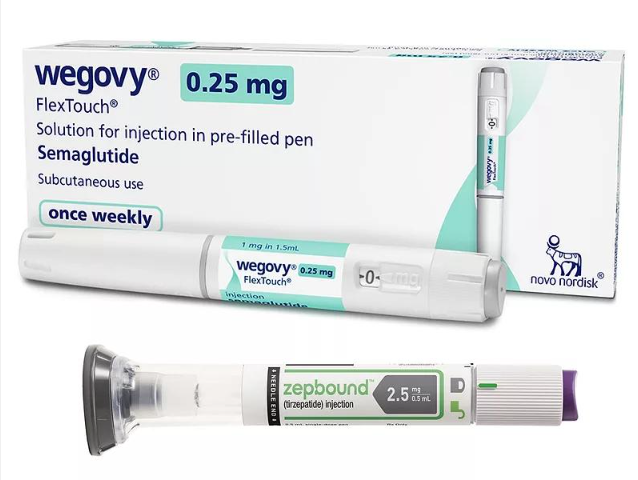
Few areas demonstrate the industry’s competitive transformation more clearly than obesity medicine. The commercial success of treatments developed by Novo Nordisk and Eli Lilly has encouraged rivals to pursue new approaches to weight management and metabolic disease.
On October 13, Swiss pharmaceutical company Roche entered a licensing agreement with China’s Rona Therapeutics for an investigational obesity treatment. The agreement could be worth up to $1.16 billion, depending on its terms and future milestones. The transaction illustrates how established pharmaceutical companies are turning to international biotechnology partnerships to strengthen their development pipelines.
That same day, Denmark’s Zealand Pharma announced a collaboration with U.S.-based Generate Biomedicines to develop protein-based treatments for obesity and related metabolic conditions. The agreement includes $30 million upfront and potential additional payments that could bring its value close to $1.2 billion if specified milestones are achieved.
These agreements do not guarantee successful medicines. Experimental treatments must still demonstrate acceptable safety and effectiveness in clinical trials before regulators can consider approval. Nevertheless, the scale of investment reveals how valuable companies believe the next generation of obesity treatments could become.
Competition is also expanding beyond existing injectable products. Drugmakers are investigating oral treatments, combination therapies and medicines designed to act through different biological pathways. The companies that succeed may gain advantages through improved effectiveness, easier administration, better tolerability or broader patient access.
Drug Pricing Is Becoming a Business Challenge
Scientific innovation is only one part of the pharmaceutical industry’s changing economics. Governments and healthcare systems are increasingly concerned about the affordability of medicines, particularly as populations age and demand for treatment grows.
In the United States, Medicare’s Drug Price Negotiation Program has introduced a new mechanism for establishing negotiated prices for selected high-expenditure medicines. The first negotiated prices took effect in 2026, while additional rounds are scheduled to affect selected drugs in 2027 and 2028.
The program changes the commercial calculations facing manufacturers of certain established medicines. Companies must consider how pricing decisions, competition and reimbursement policies will influence the revenue available from products after they reach the market.
The debate involves competing priorities. Governments and patients want more affordable access to effective treatments, while pharmaceutical companies argue that sufficient financial returns are necessary to support risky and expensive research. Managing this tension will remain central to healthcare policy and industry strategy.
Biotechnology Partnerships Are Reshaping Competition
The growing importance of smaller biotechnology companies is another defining feature of the industry. Rather than developing every promising medicine internally, large pharmaceutical groups increasingly use partnerships, licensing agreements and acquisitions to obtain access to specialized research.
These arrangements can benefit both sides. Smaller companies gain financial resources, clinical-development expertise and global commercialization capabilities. Larger manufacturers gain access to experimental technologies and potential new products without having to originate every discovery themselves.
However, competition for promising assets can also increase development costs. Agreements worth billions of dollars frequently depend on future clinical, regulatory and commercial milestones, meaning their announced maximum values should not be confused with money already paid.
The changing landscape rewards companies that can identify credible science, manage development risks and allocate capital carefully. Size alone is no longer sufficient to guarantee an advantage.
THE ABE TAKE
The pharmaceutical industry’s next era will be defined by a difficult balance between scientific progress and commercial sustainability. Expiring patents are forcing established companies to replace important revenue streams, while new competitors are challenging assumptions about which businesses will lead the development of future treatments.
The expanding obesity market demonstrates the opportunities available to companies that identify significant unmet medical needs. Yet expensive licensing deals and promising early research are not substitutes for medicines that prove safe, effective and accessible to patients.
For pharmaceutical companies, the strongest competitive position will come from developing treatments that offer meaningful improvements while maintaining the financial discipline needed to support continued research. For governments, the challenge is to encourage innovation without allowing the cost of essential medicines to place unnecessary pressure on patients and healthcare systems.
Ultimately, the winners in this new era should be judged by more than their market valuations or the size of their drug-development portfolios. The industry’s lasting success will depend on whether scientific competition produces better treatments that more people can afford and access.
ABE MAGAZINE
Understand More. Think Bigger.