








ABE MAGAZINE | CANADA & ECONOMY
November 9, 2026 | ABE Magazine Business Desk
Canada’s federal government has introduced a new economic strategy centred on business investment, infrastructure development and greater independence from the United States, as international trade tensions continue to challenge the country’s growth prospects. Presented on November 5 by Finance Minister François-Philippe Champagne, Budget 2026 proposes C$142.1 billion in multiyear spending and tax measures designed to strengthen domestic industries and attract private capital. Prime Minister Mark Carney’s government is positioning the plan as a response to changing global trade relationships, but its success will depend on whether public investment and financial incentives can generate sustained private-sector growth at a time when the economy is expected to expand by just 1% in 2026.
A New Economic Strategy for a Changing Trade Environment
Canada’s economic relationship with the United States has traditionally provided businesses with access to one of the world’s largest consumer markets, supported by deeply integrated manufacturing networks and cross-border investment. However, the introduction of American tariffs on certain Canadian products has exposed the risks associated with relying heavily on a single trading partner. Industries that depend on predictable access to the U.S. market have faced additional uncertainty over production costs, export demand and future investment decisions.
The federal budget reflects an effort to address those vulnerabilities by encouraging companies to expand their commercial relationships beyond North America while strengthening domestic production capacity. The government is emphasizing investment in energy, transportation infrastructure, advanced technologies and natural resources, sectors it considers essential to Canada’s long-term competitiveness. Rather than relying primarily on consumer spending to support economic growth, Ottawa is seeking to establish a stronger foundation for business investment and productivity improvements.
The strategy represents an important shift in economic priorities. Diversifying trade does not necessarily mean reducing commercial relationships with the United States, which remains Canada’s largest trading partner. Instead, it involves creating additional opportunities for Canadian businesses to reach international customers and reducing their exposure to disruptions in any single market.
Investment Incentives and the Challenge of Business Productivity

A central component of Budget 2026 is the government’s effort to make Canada a more attractive destination for business investment. Among the proposed measures is the Productivity Mega Deduction, which Ottawa estimates would reduce the marginal effective tax rate on new business investment from 13% to 6.4%. The government has also proposed expanding research and development incentives, supporting emerging businesses and improving access to capital for companies seeking to commercialize new technologies.
These measures address a longstanding challenge for the Canadian economy: improving productivity, or the amount of economic output generated from labour and capital. When companies invest in modern equipment, technology and more efficient production systems, they can potentially increase output without a corresponding rise in operating costs. Over time, stronger productivity can support higher wages, improve business profitability and help Canadian industries compete internationally.
However, tax incentives alone cannot guarantee greater investment. Businesses also consider customer demand, regulatory requirements, energy availability, workforce skills and the predictability of government policy before committing capital. For smaller companies, access to financing may remain a significant obstacle even when tax conditions become more favourable, particularly if expansion requires substantial upfront expenditure.
Infrastructure and Energy Become Central to Economic Growth
Infrastructure development forms another major pillar of the government’s economic agenda. Budget 2026 outlines more than C$50 billion in support for electricity infrastructure as part of a broader strategy to double Canada’s grid capacity by 2050. Additional measures target critical minerals, nuclear energy, transportation projects and the modernization of industrial facilities, reflecting the government’s ambition to position Canada as a competitive supplier of energy and strategic resources.
These investments have implications beyond the construction and energy industries. Reliable electricity supplies and efficient transportation networks influence the cost of operating manufacturing facilities, data centres and other capital-intensive businesses. As artificial intelligence, advanced manufacturing and electrification increase demand for power, countries capable of providing dependable energy infrastructure may gain an advantage in attracting industrial investment.
Nevertheless, the economic benefits will depend heavily on implementation. Large infrastructure projects frequently require coordination between federal and provincial authorities, private investors and local communities. Delays in approvals, construction or financing could weaken the intended economic impact, while poorly selected projects could increase public costs without delivering corresponding improvements in productivity.
The Fiscal Challenge Behind Ottawa’s Investment Ambitions
Although the government is proposing substantial investment measures, it is also attempting to demonstrate fiscal discipline. The budget projects a deficit of approximately C$39.3 billion for the 2025–26 fiscal year, considerably below the C$66.9 billion previously forecast in April. Higher oil-related revenues have improved the government’s financial position, creating additional room for spending and tax measures without abandoning its stated fiscal objectives.
The improvement provides Ottawa with greater flexibility, but it also introduces questions about the durability of government revenues. Commodity prices can fluctuate significantly in response to geopolitical developments, changes in global demand and shifts in energy production. If oil prices decline or economic growth falls below expectations, the government could face renewed pressure to adjust spending, increase revenues or accept larger deficits.
For investors and businesses, the distinction between productive investment and recurring government expenditure is particularly important. Public borrowing can be economically justified when it supports infrastructure and other assets that improve future productive capacity. However, the long-term benefits depend on whether those investments generate sufficient economic activity to support public finances and justify their costs.
What the Budget Means for Canadian Businesses and International Investors
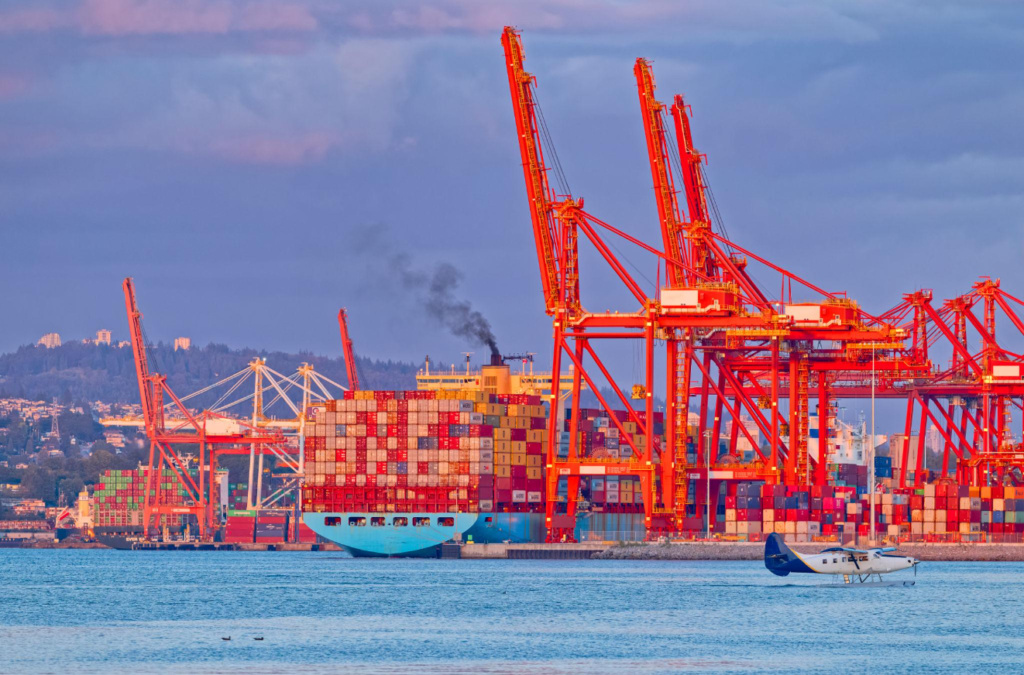
The budget could create opportunities across several industries, particularly companies involved in construction, energy, technology, advanced manufacturing and resource development. Businesses that provide equipment, engineering services, specialized software and industrial materials may benefit if proposed projects move into implementation. The government is also seeking to improve financing conditions for innovative companies, including through plans to combine the Business Development Bank of Canada and Export Development Canada into a more integrated financing structure.
International investors will be watching whether the measures translate into a more competitive operating environment. Canada’s natural resources, skilled workforce and established financial institutions remain important advantages, but investment decisions increasingly depend on execution speed, infrastructure reliability and the ability to access international markets. Other developed economies are pursuing similar strategies to attract manufacturing, technology investment and strategic industries, creating greater competition for global capital.
The consequences for households will also be significant. Stronger business investment could eventually support employment, wages and public revenues, but these benefits may take years to materialize. Meanwhile, Canadians continue to face immediate concerns about housing affordability, living expenses and employment opportunities, making the government’s ability to balance long-term economic transformation with near-term financial pressures an important measure of its performance.
THE ABE TAKE: Canada’s Economic Independence Will Depend on Execution, Not Spending Alone
Canada’s 2026 federal budget reflects a broader recognition that economic stability can no longer be measured solely by access to established trading relationships. The changing international environment has made supply-chain resilience, industrial capacity and market diversification increasingly important elements of national competitiveness. For a country whose businesses have developed around close economic integration with the United States, strengthening alternative sources of growth represents both an economic opportunity and a substantial structural challenge.
The government’s emphasis on productivity and private investment is economically significant because public expenditure alone cannot sustain long-term prosperity. Infrastructure can create the conditions for business expansion, while tax incentives can improve investment returns, but companies must ultimately identify commercially viable opportunities. The effectiveness of the budget will therefore be determined less by the scale of its announced commitments than by whether those commitments encourage businesses to invest, innovate and compete successfully.
There is also an important distinction between economic independence and economic isolation. Canada’s future competitiveness will depend on maintaining productive relationships with the United States while developing stronger commercial connections with Europe, Asia and other international markets. Diversification should expand the opportunities available to Canadian companies rather than create unnecessary barriers to existing trade.
For Ottawa, the central test will be translating an ambitious economic strategy into measurable improvements in productivity, investment and living standards. The budget establishes a direction, but its credibility will depend on implementation, fiscal discipline and the willingness of private businesses to participate. Canada’s long-term economic strength will ultimately be determined not by how much the government proposes to spend, but by how effectively that spending helps the country build, produce and compete.
ABE MAGAZINE
Understand More. Think Bigger.