





November 19, 2026
By ABE Editorial Desk
An attack on one of Riyadh’s most prominent skyscrapers has exposed a growing vulnerability at the centre of Saudi Arabia’s economic transformation. As the conflict with Yemen’s Houthi movement intensifies, the kingdom faces a difficult challenge: protecting its financial institutions, maintaining investor confidence and pursuing an ambitious economic future while regional security deteriorates.
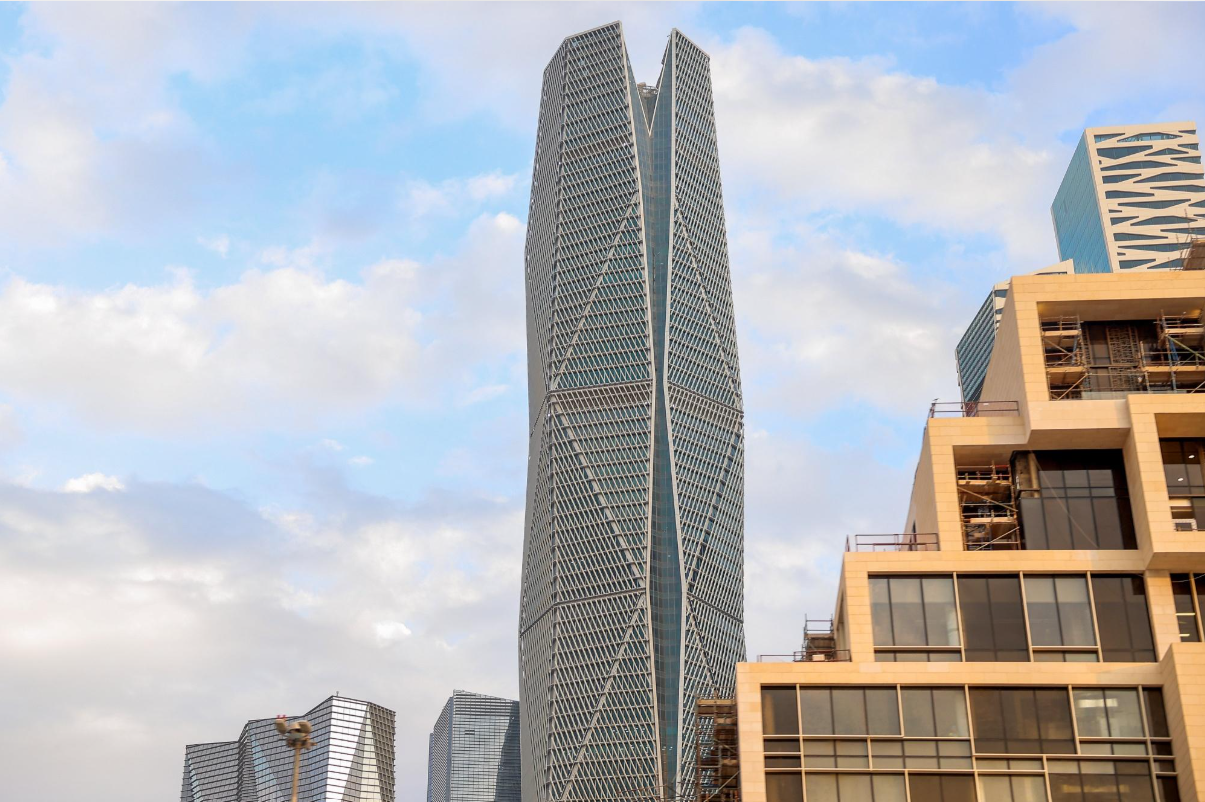
Saudi Arabia has spent years presenting Riyadh as a destination for international capital, global businesses and major investment projects. On November 19, that ambition confronted the realities of regional warfare when a suspected Houthi missile damaged the skyscraper housing the country’s Public Investment Fund. The attack struck the King Abdullah Financial District, one of the most visible symbols of the kingdom’s effort to establish itself as a leading financial centre.
According to Reuters, windows were blown out across seven to eight floors of the PIF Tower, with sections of its exterior damaged. Saudi authorities reported responding to a missile threat and confirmed falling debris and material damage, while emergency services attended the scene and parts of the district were evacuated. No casualties were immediately reported, and the Houthis had not claimed responsibility for the specific strike when the initial reports emerged.
The Saudi PIF Tower attack is significant not simply because of the building involved, but because of what it represents. The Public Investment Fund is central to Crown Prince Mohammed bin Salman’s economic diversification strategy, which seeks to reduce Saudi Arabia’s dependence on oil revenues. The incident demonstrates how quickly military escalation can threaten the infrastructure, investment confidence and international partnerships on which that transformation depends.
A Strike at the Centre of Saudi Arabia’s Financial Ambitions
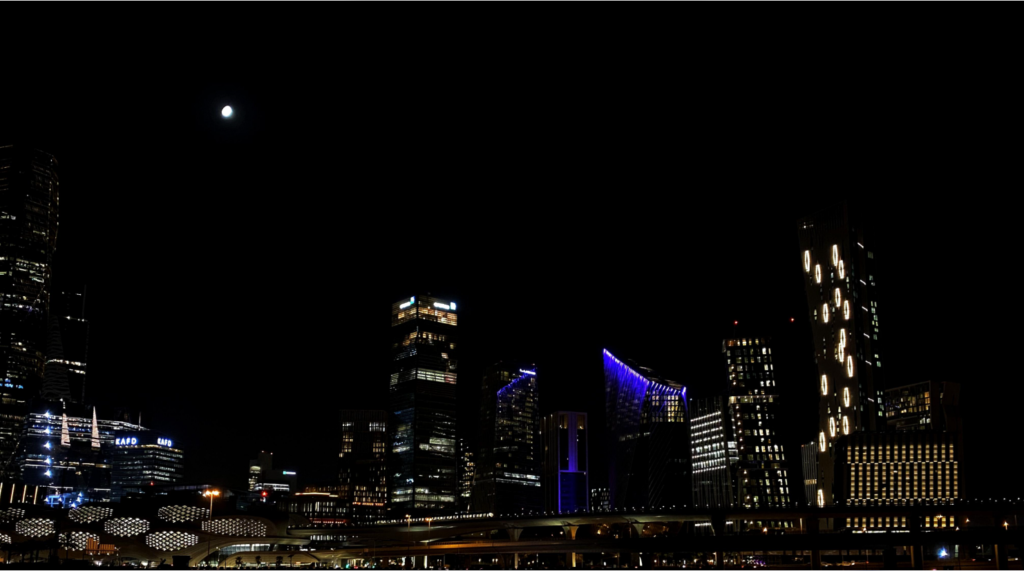
The King Abdullah Financial District is more than a collection of modern office towers. It represents Saudi Arabia’s determination to attract multinational companies, financial institutions and international investors to Riyadh. The district has become an important part of the kingdom’s efforts to strengthen its position in global finance and develop economic activity beyond traditional energy industries.
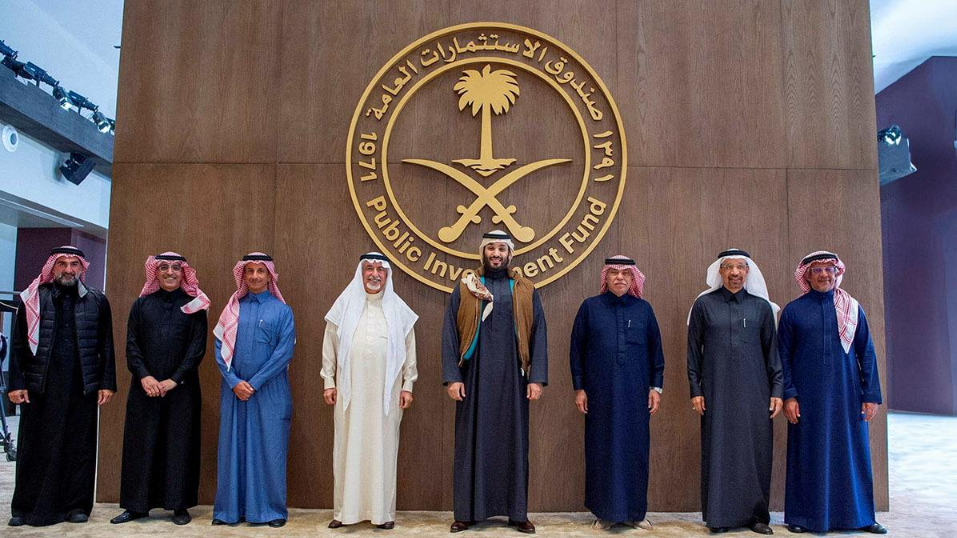
At the centre of this development stands the Public Investment Fund, Saudi Arabia’s sovereign wealth fund and a major instrument of national economic policy. The fund invests domestically and internationally, supporting industries ranging from tourism and technology to infrastructure and entertainment. Its headquarters therefore carries considerable symbolic significance, even though damage to the building does not necessarily indicate damage to the fund’s underlying investments or financial operations.
The November 19 incident was not an isolated security event. Earlier in the month, a separate attack damaged a building associated with Saudi Aramco in Riyadh’s financial district. Together, the incidents suggest that prominent economic landmarks have become increasingly exposed to the conflict, challenging assumptions that Saudi Arabia’s commercial centres can remain insulated from regional military developments.
Why the Conflict With the Houthis Is Escalating
The Houthis emerged as a major military and political force during Yemen’s prolonged civil war, eventually taking control of the capital, Sanaa, and significant territory. Saudi Arabia intervened in 2015 at the head of a regional coalition supporting Yemen’s internationally recognised government. Years of fighting produced a devastating humanitarian crisis without delivering a decisive military settlement.
A United Nations-brokered truce in 2022 substantially reduced cross-border hostilities, creating hopes that the conflict could move towards a political resolution. However, fighting resumed in 2026 amid a wider regional confrontation involving Iran, the United States and Israel. The Houthis, who are aligned with Iran, have intensified missile and drone attacks against Saudi infrastructure while Saudi forces have responded with military operations in Yemen.
Recent developments on the ground have further complicated the situation. Reuters reported that Houthi forces had gained territory along Yemen’s Red Sea coast and placed pressure on areas controlled by Saudi-backed forces. These advances have increased Riyadh’s strategic concerns because the conflict now threatens both its southern security environment and critical regional trade routes.
Economic Infrastructure Becomes a Strategic Target
The growing number of attacks on Saudi economic facilities illustrates a broader change in the character of the conflict. Airports, energy infrastructure and prominent commercial buildings have all faced threats in recent months. These targets matter because disruption can extend far beyond immediate physical damage, affecting transportation, business continuity and perceptions of national security.
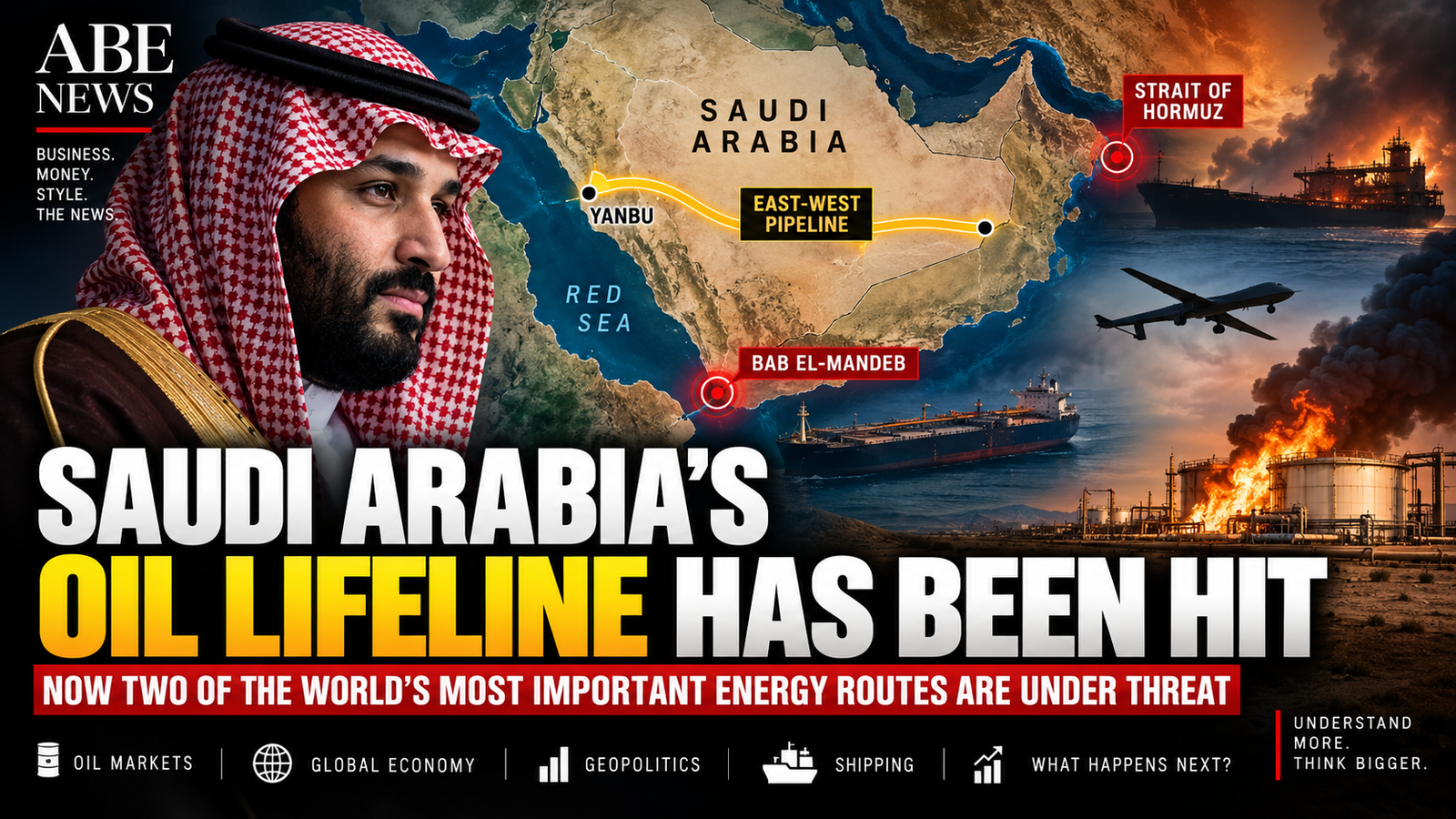
Saudi Arabia’s oil industry remains especially important to global markets. The kingdom is one of the world’s largest petroleum exporters, and its infrastructure plays a central role in international energy supplies. Repeated threats against refineries, pipelines and export facilities create additional uncertainty at a time when regional conflict has already disrupted normal energy transportation.
The attacks also carry economic consequences that are difficult to measure immediately. Businesses may review security arrangements, insurers may reassess exposure, and international companies may reconsider operational risks. None of these outcomes is inevitable, but repeated incidents increase the importance of security considerations in decisions that might otherwise depend primarily on commercial opportunities.
Vision 2030 Faces a Security Test
Saudi Arabia’s Vision 2030 programme aims to reshape the kingdom’s economy through industrial development, tourism, infrastructure investment and a larger private sector. The Public Investment Fund plays a central role in financing and supporting many of these ambitions. Its investments are intended to create employment, develop new industries and establish Saudi Arabia as a more diversified international economic power.
Such a transformation requires more than substantial financial resources. It also depends on predictable operating conditions, confidence in long-term projects and the ability to attract international expertise. Investors evaluating major commitments consider political stability and security alongside market opportunities and expected financial returns.
The attack on the PIF Tower does not mean that Vision 2030 has failed or that Saudi Arabia’s investment strategy is no longer viable. The kingdom retains substantial economic resources and institutional capacity. Nevertheless, the incident highlights a contradiction facing the government: economic diversification requires greater international integration, while regional military escalation threatens the stability needed to sustain it.
The Red Sea Adds Another Dimension to the Crisis
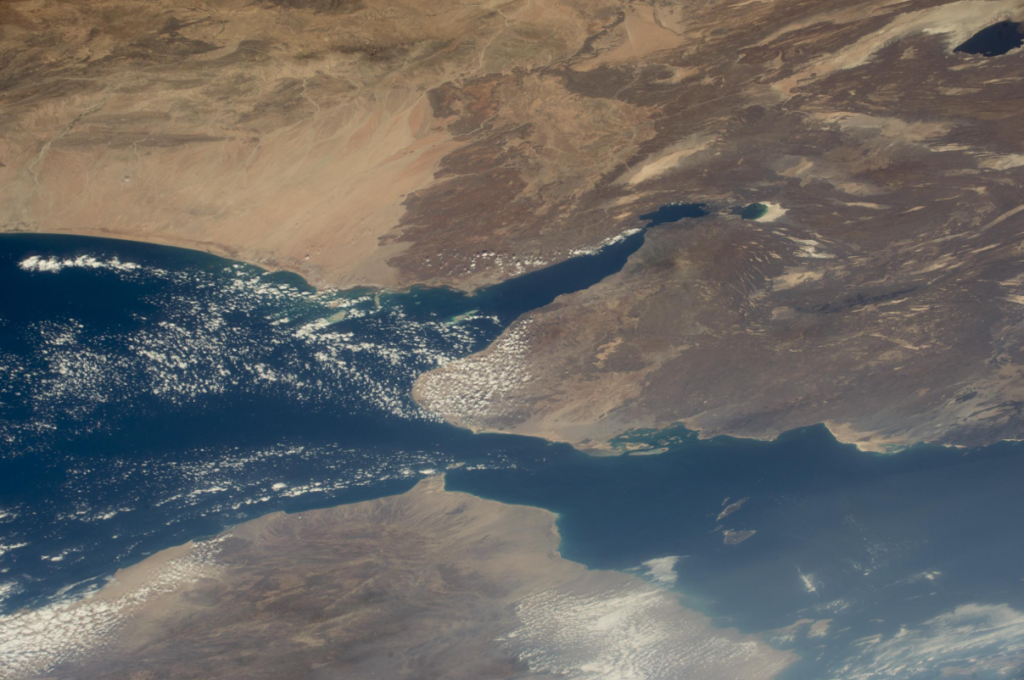
The conflict’s implications extend beyond Saudi territory because Yemen occupies a strategically important position near the Bab el-Mandeb Strait. This narrow maritime passage connects the Red Sea with the Gulf of Aden and forms part of a major international shipping route. Disruption around the strait can affect trade between Asia, Europe and other markets.
Recent Houthi territorial advances along Yemen’s western coastline have heightened concerns about maritime security. Commercial shipping depends on predictable access to international waterways, and prolonged insecurity can increase transport costs or encourage vessels to use alternative routes. Such changes can affect delivery schedules, freight pricing and the wider movement of goods.
For Saudi Arabia, maritime stability is particularly important because regional energy transportation has already faced significant disruption. The kingdom’s economic strategy relies on reliable connections with global markets, including ports, logistics networks and energy export infrastructure. The conflict therefore creates overlapping security risks that cannot be addressed solely by defending individual buildings in Riyadh.
Can Military Pressure Produce a Political Settlement?
Saudi Arabia faces a difficult strategic calculation. A forceful military response may be intended to discourage further attacks, but prolonged confrontation can also create opportunities for additional escalation. The Houthis have demonstrated an ability to conduct cross-border operations despite years of military pressure, complicating expectations of a rapid military resolution.
Reuters reported that Saudi officials were preparing for the possibility that the renewed campaign could continue for several more months. Riyadh reportedly wants its Yemeni allies to improve their positions before entering negotiations. Such an approach could strengthen Saudi bargaining power, but it also carries the risk of extending hostilities and increasing humanitarian suffering.
A durable settlement would require addressing the political divisions inside Yemen alongside Saudi Arabia’s security concerns. The wider confrontation involving Iran adds another layer of complexity because regional tensions influence the calculations of several governments and armed groups. Without progress on these interconnected issues, even successful defensive operations may provide only temporary relief.
THE ABE TAKE
The attack on Saudi Arabia’s Public Investment Fund Tower reveals an uncomfortable reality about modern economic power: financial ambition cannot be separated from national security. Riyadh has invested heavily in becoming an international business centre, but the credibility of that transformation depends partly on its ability to protect the institutions and infrastructure supporting it. The damage to one skyscraper does not undermine the kingdom’s entire economic programme, yet repeated attacks could gradually increase the costs and uncertainty surrounding major investments.
The more consequential issue is whether Saudi Arabia can prevent a prolonged conflict from diverting attention and resources away from economic development. Military expenditure, infrastructure protection and emergency preparedness may become increasingly important priorities. At the same time, the government must continue persuading international investors that its long-term commercial opportunities outweigh the risks created by regional instability.
For ABE Magazine, this is not simply a story about a missile strike or a damaged financial landmark. It is a test of whether one of the Middle East’s most ambitious economic transformations can withstand the pressures of an expanding regional conflict. The kingdom’s response will influence not only its immediate security environment, but also the confidence of businesses and governments evaluating its future.
Saudi Arabia’s challenge is no longer only to build a diversified economy. It is to ensure that the security environment allows that economy to flourish.
ABE MAGAZINE
Understand More. Think Bigger.