



November 18, 2026
By ABE Editorial Desk
Three of the world’s most powerful leaders have gathered in China at a moment when international cooperation is becoming increasingly difficult. Donald Trump, Xi Jinping and Vladimir Putin arrive at the same diplomatic crossroads with different ambitions: Washington wants strategic agreements, Beijing seeks greater international influence, and Moscow wants to challenge Western isolation. Their meeting could reveal whether major powers intend to stabilise an increasingly divided world—or negotiate its future largely among themselves.
The most consequential gathering at this year’s Asia-Pacific Economic Cooperation summit may take place outside its formal economic agenda.
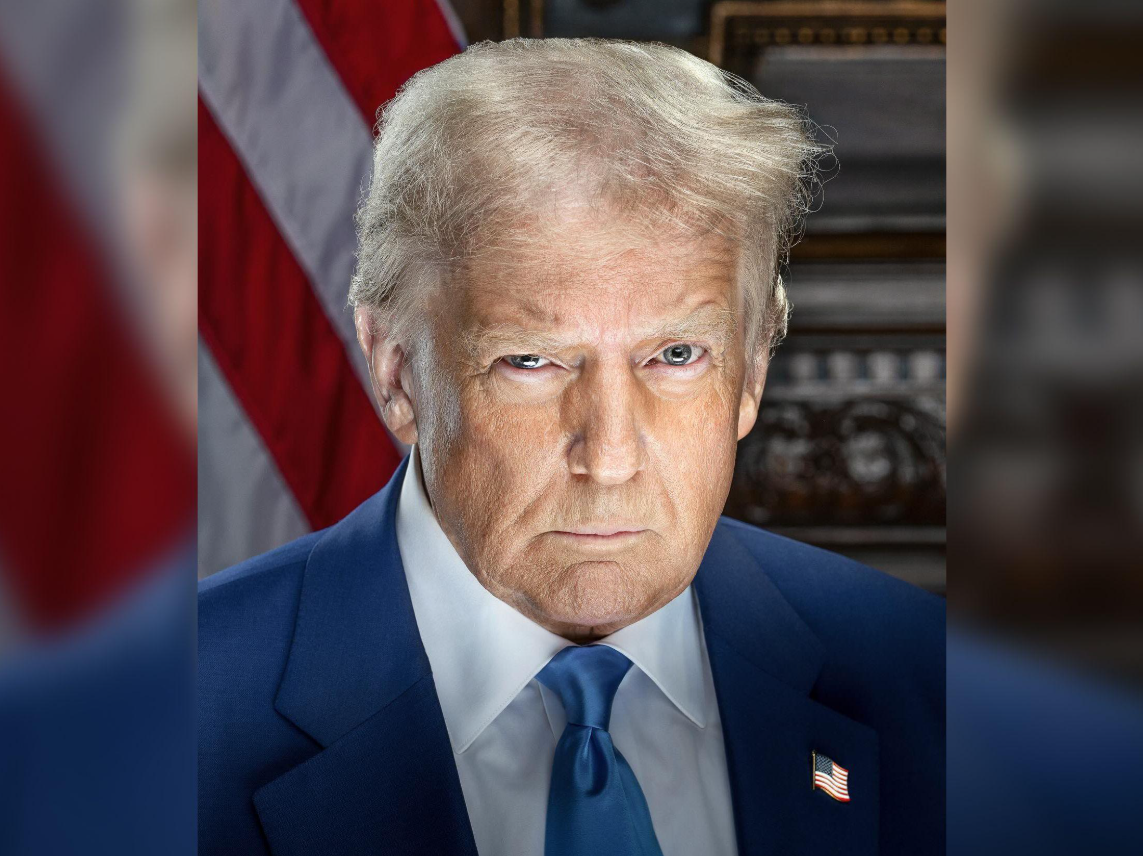
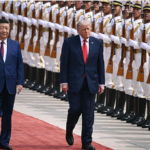
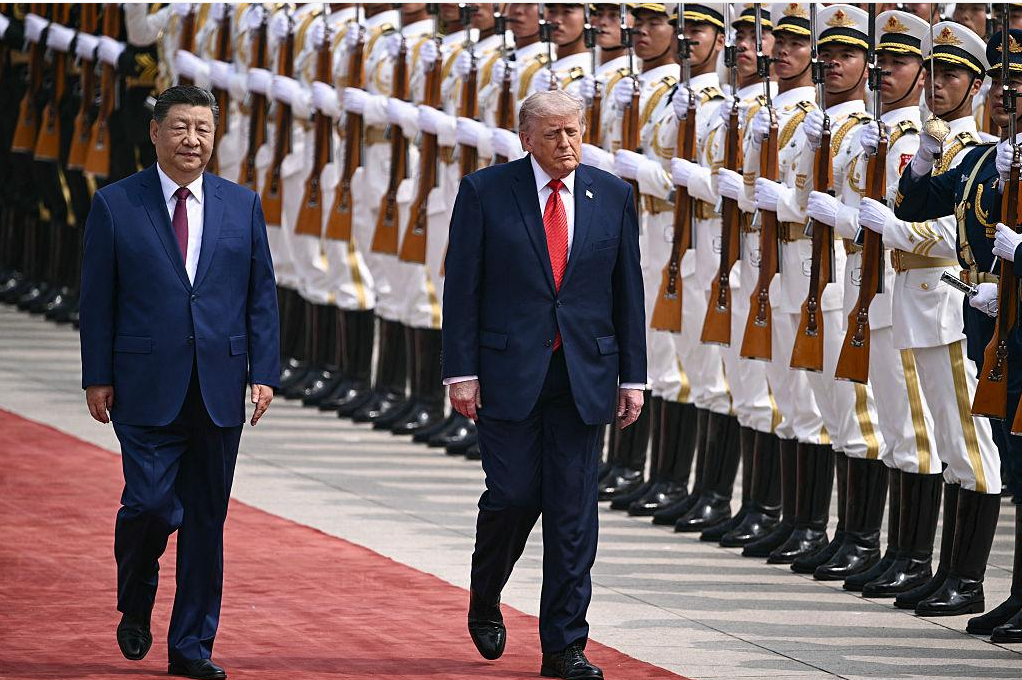
On November 18, United States President Donald Trump arrived in Shenzhen, where Chinese President Xi Jinping welcomed him ahead of planned talks involving Russian President Vladimir Putin.
The three leaders are expected to meet together on November 19 in an unprecedented diplomatic encounter involving the heads of three nuclear-armed powers.
Their agenda extends far beyond regional commerce.
Nuclear weapons, Russia’s war in Ukraine, the conflict involving Iran, advanced technology and the future of international trade all form part of the wider diplomatic backdrop.
The Trump Xi Putin summit comes as relations among the three countries remain shaped by competition, sanctions and competing security interests.
For governments outside Washington, Beijing and Moscow, the stakes are substantial. Decisions made by major powers can influence trade, energy markets and international security even when smaller countries have little influence over the negotiations.
China Uses APEC to Demonstrate Its Global Influence
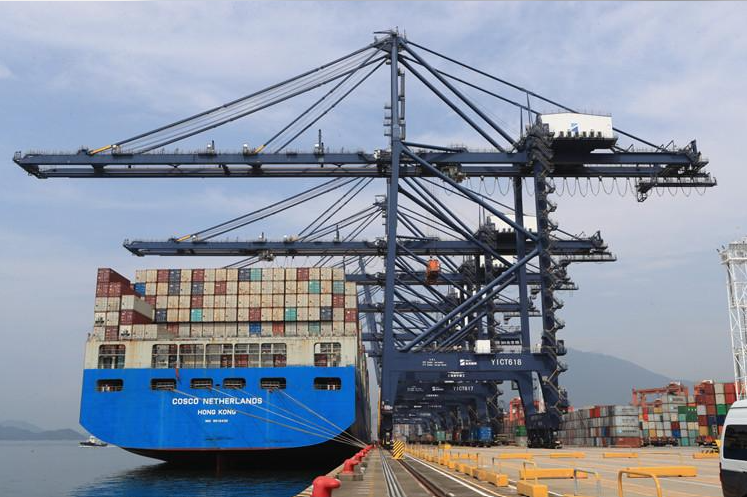
China is hosting the 33rd APEC Economic Leaders’ Meeting in Shenzhen on November 18 and 19.
The gathering brings together representatives of 21 Asia-Pacific economies, which collectively account for approximately 60% of global economic output and nearly half of international trade.
Its official theme emphasises regional prosperity and cooperation.
However, the diplomatic environment is far from cooperative.
Governments are increasingly using tariffs, export restrictions and industrial subsidies to protect strategic industries.
Meanwhile, military conflicts and geopolitical tensions threaten international supply chains.
Xi has positioned China as a defender of open trade and regional economic integration.
During the summit, he called for greater cooperation and criticised protectionism and unilateral economic measures.
The message serves Beijing’s diplomatic interests.
China wants to demonstrate that it can offer economic stability and international engagement even as Washington restricts access to sensitive technologies.
Yet Beijing faces criticism of its own economic policies, including state-backed industrial expansion and trade practices that other governments consider unfair.
The summit provides China with an opportunity to strengthen its international position without necessarily resolving those disagreements.
Trump Arrives With Trade and Security Priorities
Trump’s visit follows meetings with American partners in Southeast Asia.
In Manila, he discussed security and economic cooperation with regional leaders before travelling to China.
His administration has placed considerable emphasis on reducing strategic dependence on Chinese technology and strengthening American industrial competitiveness.
Washington has introduced restrictions affecting China’s access to advanced artificial intelligence chips.
These controls reflect concerns about the military and strategic applications of powerful computing technology.
China has criticised American export restrictions, arguing that they undermine commercial cooperation.
The dispute demonstrates how technological leadership has become a central component of geopolitical competition.
However, the two countries remain economically interconnected.
Businesses depend on cross-border manufacturing, consumer markets and specialised supply chains.
Both governments therefore face a difficult calculation.
They want to protect strategic interests without creating economic disruption that damages domestic businesses and consumers.
The planned Trump-Xi discussions will test whether the two sides can manage that contradiction.
Putin Challenges Western Sanctions as Russia Seeks Diplomatic Space
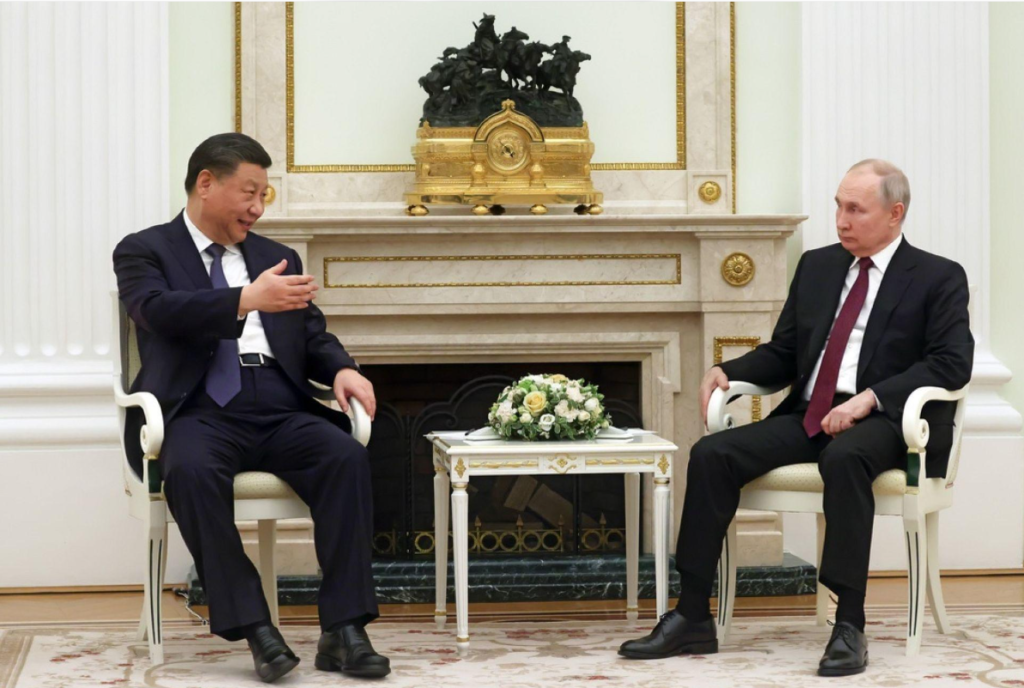
Putin arrived in China seeking to strengthen Russia’s international relationships.
During his remarks at the APEC gathering, he criticised Western sanctions and argued that economic isolation had failed to achieve its intended objectives.
He also called for greater cooperation in an increasingly fragmented international economy.
Earlier on November 18, Putin met Xi for bilateral discussions.
The two leaders emphasised their countries’ continuing strategic relationship.
China and Russia have expanded cooperation across several areas, including energy, trade and diplomacy.
However, their interests are not identical.
Beijing has substantial economic relationships with Europe and the United States. Moscow faces far more extensive Western sanctions because of its war against Ukraine.
China must therefore balance cooperation with Russia against the risks of worsening relations with other major markets.
For Putin, the planned trilateral meeting offers a diplomatic opportunity.
Participation alongside Trump and Xi could reinforce Russia’s claim to remain a central actor in international security despite Western efforts to isolate its government.
That symbolic benefit does not necessarily translate into concessions on Ukraine or sanctions.
Nuclear Arms Control Returns to the International Agenda
One of the most important subjects expected to arise is nuclear arms control.
The expiration of the New START treaty in February 2026 removed the final major bilateral agreement limiting deployed strategic nuclear weapons between the United States and Russia.
Washington has expressed interest in developing a broader arrangement that includes China.
However, the three countries possess significantly different nuclear arsenals.
American and Russian stockpiles remain substantially larger than China’s, complicating efforts to negotiate equivalent restrictions.
Beijing has historically resisted proposals that would place its smaller arsenal under arrangements designed around American and Russian capabilities.
The proposed talks therefore face a difficult starting point.
A meaningful agreement would require the governments to reconcile competing security concerns, verification requirements and strategic priorities.
Officials have indicated that the meeting may begin a longer conversation rather than produce an immediate arms-control agreement.
Nevertheless, the discussion matters.
Without credible limitations or communication mechanisms, nuclear competition could become more difficult to manage.
Ukraine and Iran Expose the Limits of Great-Power Diplomacy
The conflicts involving Ukraine and Iran create additional complications.
Russia continues its war against Ukraine, while Western governments maintain sanctions and military assistance intended to support Kyiv.
Washington has pursued diplomatic efforts to address the conflict, but major disagreements remain.
Ukraine and its European partners have important interests in any negotiations affecting territorial security and future guarantees.
A discussion among Trump, Xi and Putin cannot substitute for the participation of countries directly affected by potential agreements.
The conflict involving Iran presents another challenge.
Washington’s military confrontation with Tehran has increased concerns about regional stability and the security of energy transportation.
Russia and China maintain relationships with Iran, although their priorities differ.
American officials have identified Iran as a potential subject for the trilateral talks.
Yet diplomacy among major powers cannot guarantee that the parties directly involved will accept a proposed settlement.
The challenge is turning discussions about international crises into arrangements that are credible, enforceable and acceptable to the governments concerned.
Why Smaller Countries Are Watching Closely
The concentration of diplomatic attention on three powerful leaders has revived questions about how international decisions are made.
Some observers have compared the planned meeting to historic gatherings where major powers attempted to shape the international order.
Such comparisons should not be taken literally.
Today’s world is economically interconnected, institutionally complex and politically different from the period following the Second World War.
Nevertheless, the concern is understandable.
Countries affected by sanctions, territorial disputes or trade restrictions may fear that their interests will receive insufficient attention.
For Asian economies, the issue is particularly significant.
Many depend on commercial relationships with China while maintaining security partnerships with the United States.
They want stable trade and investment without being forced into rigid geopolitical blocs.
Their economic choices will help determine whether the region becomes more fragmented or retains overlapping international partnerships.
THE ABE TAKE
The gathering in Shenzhen represents more than a diplomatic spectacle.
It reflects a world in which economic interdependence has not eliminated strategic rivalry.
The United States, China and Russia possess considerable influence, but none can independently determine the future of international trade or security.
Washington can restrict advanced technology exports, yet American companies remain connected to global supply chains.
Beijing can promote economic integration, but it must address concerns about its industrial policies and geopolitical ambitions.
Moscow can seek greater diplomatic recognition, although its war against Ukraine continues to constrain its international relationships.
The planned summit could create opportunities for communication, particularly over nuclear weapons and regional conflicts.
However, diplomatic access should not be confused with diplomatic success.
A handshake is not a settlement. A joint meeting is not an agreement. And cooperation among powerful governments does not automatically protect the interests of smaller nations.
For ABE Magazine, the central question is whether these leaders can create a more predictable international environment without treating the concerns of other countries as secondary.
The credibility of any outcome will depend on what follows the meeting: verifiable commitments, reduced tensions and meaningful participation by those directly affected.
The future of global power will not be determined simply by which leaders sit at the negotiating table, but by whether their decisions produce a more stable and inclusive international order.
ABE MAGAZINE
Understand More. Think Bigger.