






ABE MAGAZINE | GLOBAL TRADE & FINANCE
October 16, 2026
Global trade is proving more resilient than many economists expected, even as tariffs, geopolitical disruptions and changing supply chains reshape international commerce. But behind every shipment lies a financial system responsible for payments, credit and working capital. As companies find new routes for their goods, the ability to move money efficiently is becoming an equally important test of global business competitiveness.
Global Trade Is Proving More Resilient Than Expected
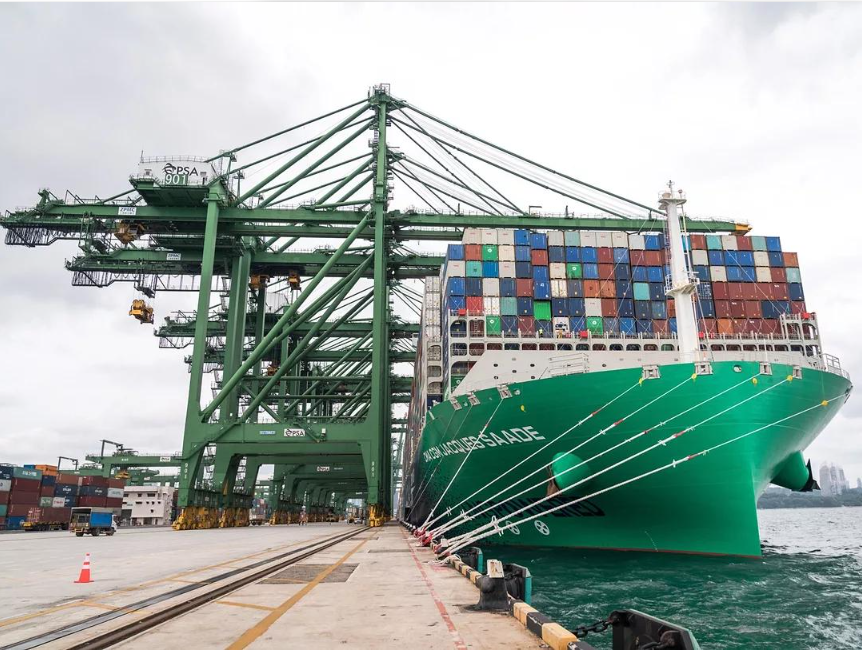
International commerce is undergoing a significant transformation. Despite geopolitical uncertainty, higher transportation costs and changes in trade policy, goods continue moving across borders at a stronger pace than earlier forecasts suggested.
On October 8, the World Trade Organization raised its forecast for global merchandise trade volume growth in 2026 to 3.9%, compared with its previous projection of 1.9%. The organization expects growth to reach 4.1% in 2027, although the outlook remains dependent on economic and geopolitical conditions.
The improvement reflects the ability of businesses to adapt. Companies have redirected shipments, diversified suppliers and developed alternative trade relationships to reduce their exposure to disrupted routes and markets.
However, the movement of goods represents only one part of international trade. Every shipment also depends on financial arrangements that allow buyers to pay suppliers, exporters to finance production and businesses to manage the time between delivering products and receiving payment.
That financial infrastructure is becoming increasingly important as trade patterns grow more complicated.
The Financial System Behind Every Shipment
International trade often requires companies to commit substantial money before receiving payment. An exporter may need to purchase raw materials, manufacture products, arrange transportation and complete customs procedures weeks or months before a customer settles an invoice.
Banks and other financial institutions help bridge this gap through instruments such as letters of credit, guarantees and working-capital loans. These arrangements reduce payment risks and allow businesses to trade with customers they may not know personally.
But access to this financing remains uneven. According to the Asian Development Bank, the estimated global trade finance gap stood at $2.5 trillion in 2025, equivalent to approximately 10% of global trade.
The figure represents demand for trade financing that financial institutions have not met. It does not mean that $2.5 trillion in payments has disappeared, but it demonstrates the scale of potential commercial activity constrained by financing limitations.
Small businesses can face particular difficulties because they may lack established banking relationships, sufficient collateral or the financial records required by lenders.
For those companies, winning an international customer is only the beginning. Without reliable financing, fulfilling the order may remain impossible.
Supply Chains Are Changing, and Payments Must Follow
The restructuring of global supply chains is increasing the importance of cross-border financial services. Businesses seeking alternatives to traditional suppliers must establish new banking relationships, manage different currencies and navigate unfamiliar payment regulations.
Recent developments illustrate this shift. In October, Stanbic Bank Ghana began piloting a payment arrangement designed to facilitate eligible transactions with China through yuan-based settlement infrastructure.
The initiative reflects a broader interest in making international payments more flexible, particularly for businesses trading across markets where traditional correspondent banking arrangements can be costly or complicated.
Financial institutions are also investing in digital trade systems. Santander has expanded the digitalization of trade finance processes in Brazil, while banks and payment companies are developing tools intended to improve transaction visibility and processing efficiency.
These changes do not mean established international currencies or banking networks are disappearing. Rather, businesses are seeking additional ways to settle transactions and reduce dependence on a single financial route.
The objective is straightforward: goods should not be delayed simply because the financial arrangements supporting them are inefficient.
Why Working Capital Has Become a Competitive Advantage
For multinational companies, managing cash across countries can be almost as important as controlling physical inventory. Money may be held in different currencies, subsidiaries or banking systems, making it difficult to use immediately where it is needed.
An October 16 Financial Times analysis highlighted how corporate finance departments are increasingly focused on improving the movement of cash through international supply chains.
Companies are examining ways to reduce payment delays, improve cash visibility and release funds tied up in inefficient financial processes.
These improvements can influence business performance. A company that receives customer payments faster may need less short-term borrowing, while a supplier with reliable access to financing can accept larger orders and invest in production.
The benefits can extend across entire supply chains. When smaller suppliers have sufficient working capital, they are better positioned to meet delivery schedules and withstand temporary disruptions.
However, technology alone cannot resolve every problem. Cross-border transactions remain subject to financial regulations, sanctions, fraud risks and differences between national banking systems.
Efficiency must therefore be balanced with security and regulatory compliance.
Digital Finance Offers Opportunities and New Risks
Financial technology is changing how businesses manage international transactions. Digital documentation, automated payment systems and improved data-sharing arrangements can reduce administrative delays and make trade finance more accessible.
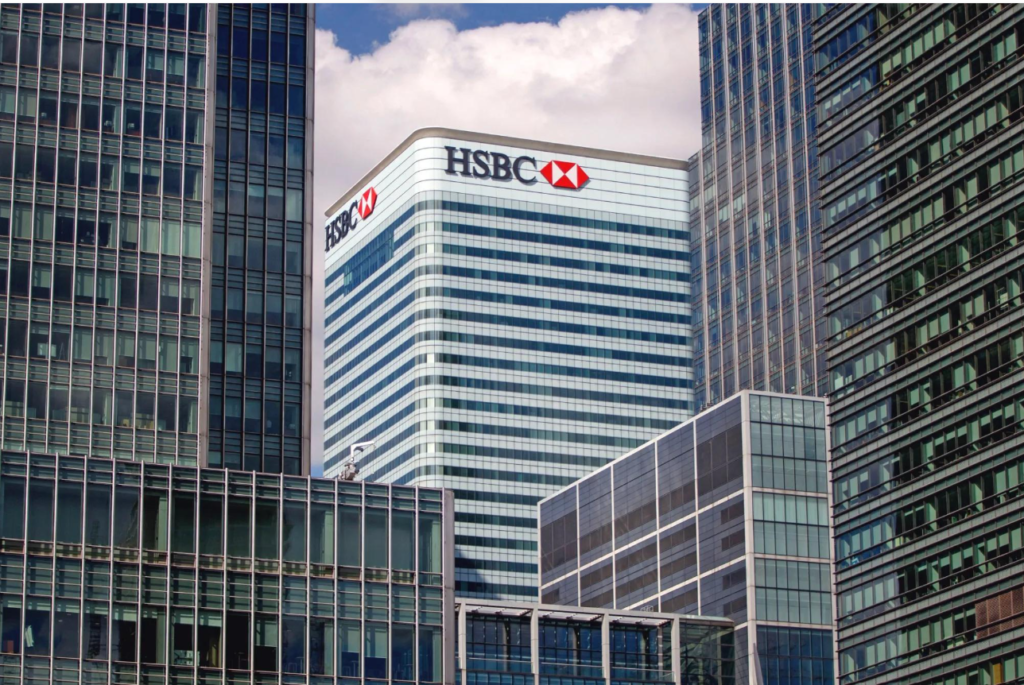
The Asian Development Bank reported that 84% of surveyed banks were using artificial intelligence for fraud prevention and risk analysis, while 57% were exploring its potential to expand financing capacity.
Such developments could help lenders evaluate risks more effectively and serve businesses previously excluded from traditional financing arrangements.
Yet increased digital connectivity introduces additional vulnerabilities. Cyberattacks, payment fraud and weaknesses in data security can disrupt financial operations even when physical supply chains remain functional.
Regulators also face the challenge of ensuring that new payment systems can operate across borders without undermining financial stability or consumer protection.
The World Trade Organization’s financial-services discussions in October included efforts to facilitate cross-border digital payments, improve interoperability and reduce transaction costs.
The direction is clear: financial infrastructure is becoming a more visible part of international trade policy.
The Next Challenge Is Making Trade More Accessible
Stronger global trade figures do not mean every business is benefiting equally. Large corporations often have access to international banking networks and sophisticated financial-management systems, while smaller exporters may struggle to secure basic trade credit.
The International Chamber of Commerce emphasized this concern during the October IMF–World Bank meetings, calling for better financing opportunities and stronger digital trade frameworks for smaller businesses.
Improving access to finance could help companies participate in international markets that would otherwise remain beyond their reach.
The challenge is particularly important as businesses diversify suppliers and develop new commercial relationships. Without affordable and reliable financing, supply-chain restructuring may favour companies already large enough to absorb the additional complexity.
Future trade competitiveness will therefore depend on more than ports, shipping routes and manufacturing capacity. It will also depend on whether financial institutions can support the businesses using those networks.
THE ABE TAKE
The resilience of global trade in 2026 demonstrates that businesses can adapt to significant disruptions. Supply chains have changed, new commercial relationships have emerged and international goods trade continues to expand.
But physical trade cannot function effectively without financial infrastructure. A shipment may reach its destination, yet delayed payments, restricted credit or inefficient currency arrangements can still place serious pressure on the companies involved.
For businesses, financial resilience should be treated as part of supply-chain resilience. Reliable banking relationships, sufficient working capital and efficient payment systems can determine whether an international expansion strategy succeeds.
For policymakers and financial institutions, the challenge is ensuring that smaller businesses are not excluded from emerging trade opportunities simply because financing remains difficult to obtain.
The next phase of globalization may be shaped as much by the movement of money as by the movement of goods. The countries and companies that make both processes efficient, secure and accessible will be better positioned to compete.
ABE MAGAZINE
Understand More. Think Bigger.