








ABE MAGAZINE | GLOBAL FINANCE
October 16, 2026
Forty years after sweeping reforms transformed London’s financial markets, the British capital remains one of the world’s leading centres for banking, investment and international finance. Yet declining stock-market listings, competition from overseas exchanges and changing regulatory conditions are raising questions about its future. The challenge is no longer simply preserving London’s reputation, but ensuring that its financial markets remain attractive to the next generation of global businesses.
Forty Years After the Big Bang
London’s financial industry is approaching an important anniversary. On October 27, 1986, the United Kingdom introduced a series of reforms known as the Big Bang, transforming how securities were traded and opening the City of London to greater international competition.
The changes abolished traditional restrictions on stockbroking, encouraged electronic trading and allowed major international financial institutions to expand their presence. They helped establish London as one of the world’s most influential centres for banking, investment and financial services.
Four decades later, London remains a global financial powerhouse. But the competitive environment has changed considerably. International businesses have more choices about where to raise capital, investors can move money across markets with increasing ease, and financial technology is reshaping how transactions are conducted.
The question facing London is whether the institutions and reforms that supported its past success can provide the foundation for its next period of growth.
A Leading Financial Centre With a Listing Problem
London’s international position remains strong. The September 2026 Global Financial Centres Index ranked New York first and London second, followed by Hong Kong and Singapore. The rankings demonstrate that London continues to command considerable influence in international finance.
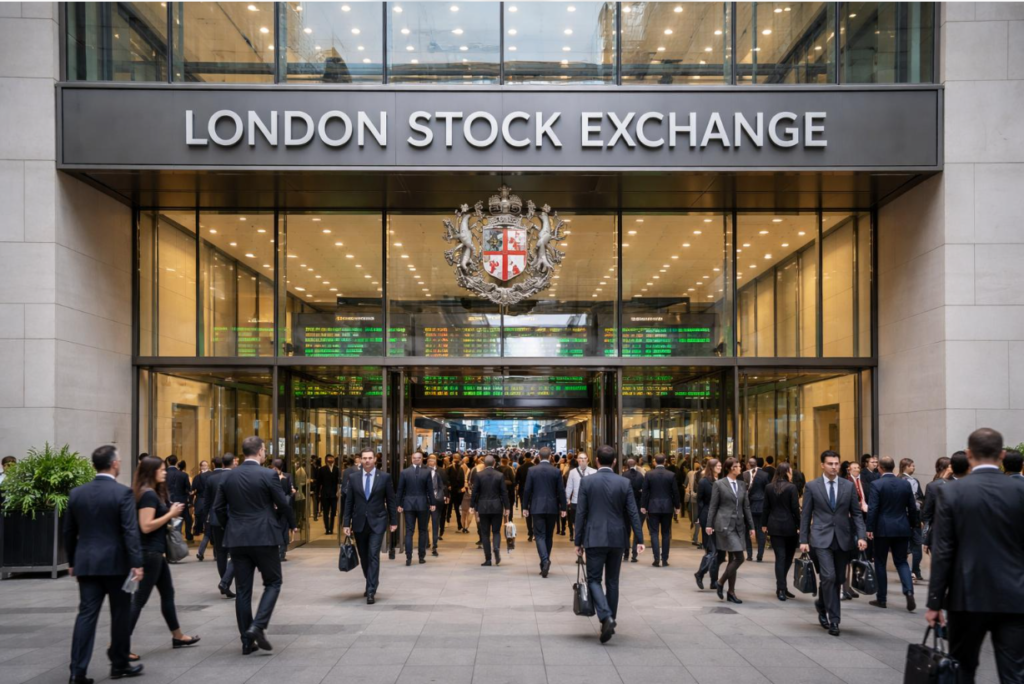
However, its stock market tells a more complicated story. According to EY-Parthenon figures released on October 15, the London Stock Exchange recorded just one new listing during the third quarter of 2026, making it the quietest quarter for UK listings since late 2023.
That transaction involved 1947 Oil & Gas, which raised £29.8 million on London’s AIM market. Across the first nine months of 2026, only eight UK listings raised a combined £606.9 million.
The slowdown matters because public markets play an important role in financing business expansion. Companies that list their shares can access investors, raise capital and provide existing shareholders with opportunities to sell their holdings.
When fewer businesses choose to list, a financial centre risks losing activity that supports investment banks, advisers, professional services and the broader business community.
Why Companies Are Looking Elsewhere
The competition for major corporate listings has intensified. New York offers access to a large pool of investors, particularly for technology and high-growth companies seeking substantial valuations and international visibility.
London also faces competition from Asian financial centres. Hong Kong and Singapore remain closely positioned behind the British capital in international rankings, while Shanghai and other Asian markets have strengthened their roles in regional finance.
At the same time, private capital has become an increasingly important alternative to public markets. Companies can raise substantial funds from private equity firms, institutional investors and other financing arrangements without immediately listing on a stock exchange.
These alternatives may offer flexibility, but they also reduce the number of businesses entering public markets. The result is a challenge for exchanges seeking to maintain trading activity, attract investors and develop a broad selection of listed companies.
London’s difficulties are therefore not explained by one issue alone. They reflect changes in how businesses raise money, where investors seek opportunities and how financial markets compete internationally.
Overseas Buyers Add Another Challenge
A separate concern is the growing number of London-listed businesses attracting takeover interest. Acquisitions can reward shareholders, but they may also reduce the number of companies available for investors to trade on the London Stock Exchange.
Research reported by City AM on October 12, citing investment bank Peel Hunt, identified 42 ongoing bids for London-listed companies with a combined market value of approximately £74 billion.
Overseas buyers accounted for around 64% of those bids, highlighting continued international interest in British businesses.
This creates an unusual situation. London remains attractive as a place to acquire established companies, but it has struggled to persuade enough new businesses to enter its public markets.
If acquisitions consistently remove listed companies faster than new firms arrive, the stock market could become smaller and less diverse. That would weaken one of the mechanisms through which businesses gain access to long-term investment capital.
Regulation, Brexit and the Search for Renewal
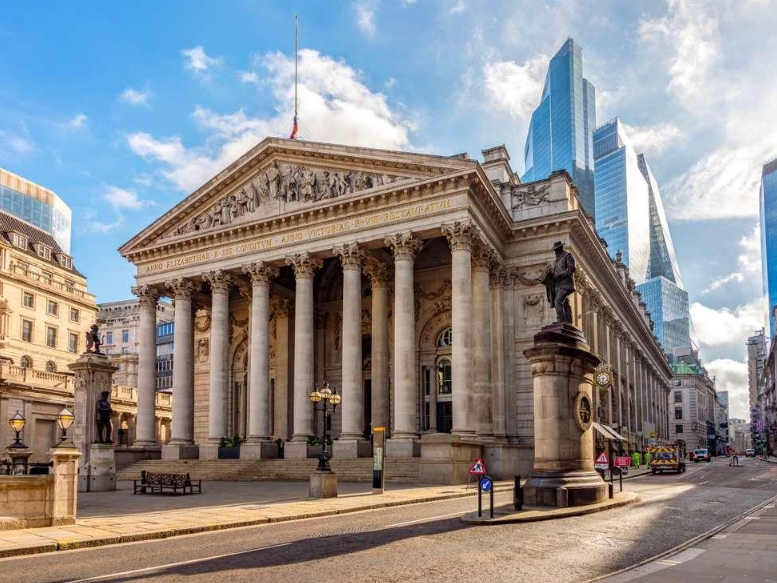
British policymakers and financial regulators have introduced reforms intended to make London more competitive. Changes to listing requirements and prospectus rules aim to reduce unnecessary barriers while maintaining investor protections.
The Financial Conduct Authority has argued that Britain’s capital markets remain internationally connected and supported by strong institutions. However, it has also acknowledged that markets must adapt as private investment expands and new technologies reshape financial services.
Brexit has added another dimension to London’s competitive position. Changes in the UK’s relationship with the European Union have altered some cross-border financial arrangements, requiring institutions to reassess where particular activities are conducted.
Tax policy and regulatory certainty also influence corporate decisions. Businesses considering a headquarters relocation or stock-market listing must evaluate operating costs, access to investors, legal requirements and long-term policy stability.
An October 16 Financial Times report revealed that British officials had explored the possibility of attracting Swiss banking group UBS to London if the bank decided to relocate from Switzerland. UBS has maintained that it intends to remain headquartered in its home country.
The reported discussions nevertheless illustrate how actively governments compete to attract major financial institutions.
London’s Future Depends on More Than Rankings
London’s financial sector retains considerable strengths, including international banking expertise, established legal institutions, professional services and deep connections to global capital markets.
But reputation alone cannot guarantee future growth. A successful financial centre must continue attracting new businesses, encouraging investment and providing companies with effective ways to raise capital.
The next stage of London’s development may depend on whether regulatory reforms produce a meaningful recovery in stock-market listings, whether growing companies choose British public markets and whether the City can maintain its appeal to international institutions.
Competition from New York and Asian financial centres will remain intense. London does not need to dominate every part of global finance, but it must demonstrate that its markets offer compelling advantages to companies and investors.
Forty years after the Big Bang, the challenge is not simply to celebrate a successful transformation. It is to determine what the next transformation should achieve.
THE ABE TAKE
London’s position as a leading global financial centre is not in immediate danger of disappearing. Its banking institutions, international connections and financial expertise remain substantial competitive advantages.
However, the weakness in new stock-market listings should not be dismissed. A financial centre can remain influential in banking and investment management while gradually losing ground in the market for public company listings.
The central challenge is to make London’s capital markets more attractive without sacrificing the standards and protections that help sustain investor confidence.
For policymakers, that means focusing on long-term competitiveness rather than relying solely on individual reforms or headline announcements. For businesses, it means assessing whether London can offer the financing opportunities, investor access and regulatory stability needed for future growth.
The Big Bang demonstrated how structural reform could reshape an entire financial industry. Forty years later, London’s future may depend on whether it can adapt with similar ambition to a world in which capital, companies and financial influence are increasingly mobile.
ABE MAGAZINE
Understand More. Think Bigger.