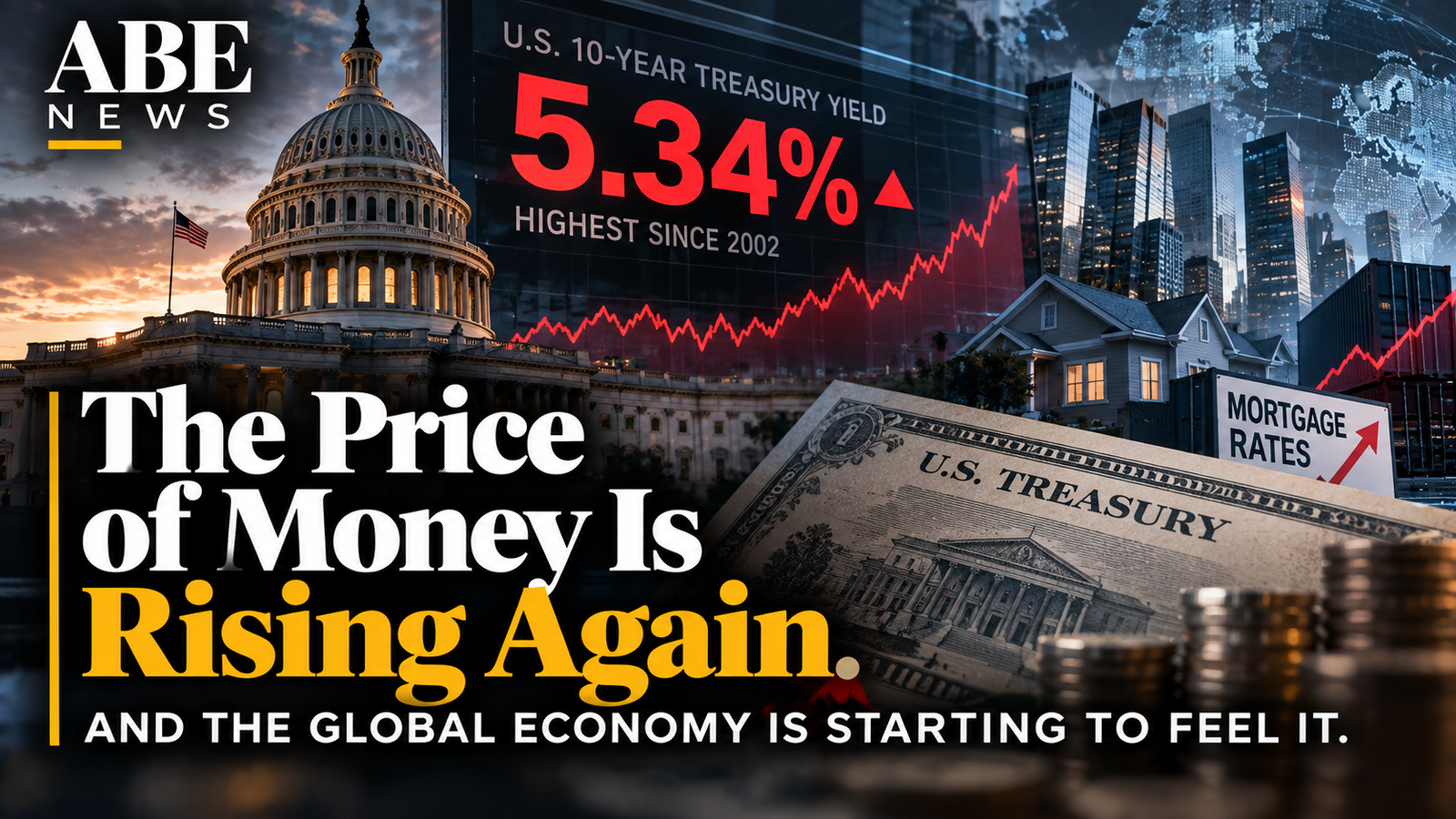








For a while, businesses had hoped the worst of the latest oil-price pressure was beginning to fade.
That confidence is being tested again.
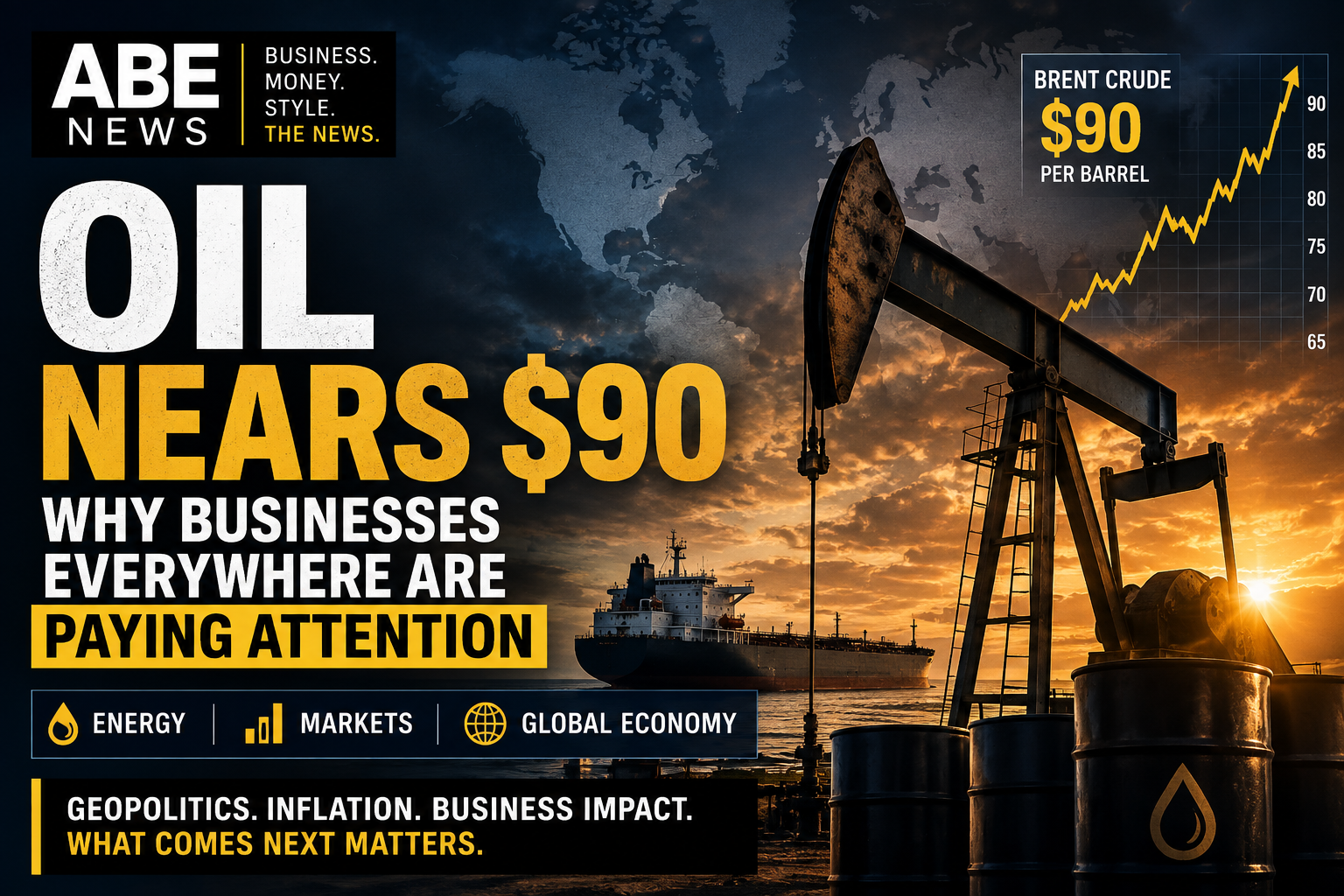
Brent crude briefly climbed to around $90 per barrel on Tuesday as negotiations between the United States and Iran remained stalled and uncertainty returned over the full reopening of the Strait of Hormuz. Oil has risen sharply from its early-July lows, putting energy costs back near the centre of the global economic conversation.
At first glance, this may look like another story about oil.
It isn’t.
It is a story about transportation, inflation, manufacturing, consumer prices and the cost of doing business almost everywhere.
Why the Strait of Hormuz Matters
The Strait of Hormuz is one of the most important energy routes in the world.
Before the recent Iran conflict, roughly 20% of global oil supplies moved through the waterway. That means disruptions there can quickly affect how much oil reaches international markets.
When traders believe those supplies could be interrupted, oil prices can rise even before an actual shortage develops.
Businesses therefore watch the Strait closely.
A problem in one narrow shipping route can eventually affect companies thousands of kilometres away.
Why Oil Is Rising Again
The latest pressure comes from uncertainty surrounding negotiations between Washington and Tehran.
Talks have remained difficult, while new U.S. demands have added complications to efforts aimed at easing tensions and restoring normal shipping through the Strait of Hormuz. Brent crude has gained about 5% over two days and roughly 25% from its early-July lows.
Markets are essentially pricing in risk.
The longer uncertainty lasts, the more investors worry about whether energy supplies can continue moving normally.
Why Businesses Are Watching Closely
Higher oil prices rarely remain an energy-sector problem.
They move through the economy.
Airlines pay more for jet fuel.
Shipping companies spend more transporting goods.
Truck fleets face higher fuel bills.
Manufacturers can see production and distribution costs rise.
Agricultural businesses may also face increased transportation and operating expenses.
Eventually, some of those costs can reach consumers.
A company paying more to produce and move its products has only a few choices: absorb the cost, reduce spending elsewhere, or increase prices.
Inflation Could Become the Bigger Story
Oil’s return toward $90 is happening at an awkward time.
Investors are also waiting for new U.S. inflation data, which could influence expectations around the Federal Reserve’s next interest-rate decision.
That connection matters.
If energy prices rise for a sustained period, inflation can become harder to control.
And if inflation stays high, central banks may have less room to reduce interest rates.
Higher rates can then make mortgages, business loans and other borrowing more expensive.
So an oil story can quickly become an interest-rate story.
And an interest-rate story can become a growth story.
What This Means Around the World
Countries will experience the impact differently.
Major oil exporters may benefit from stronger energy revenues when prices rise.
Oil-importing economies face a different challenge.
They may have to spend more foreign currency buying energy, while households and businesses face greater pressure from transportation and fuel costs.
The same oil price therefore creates winners and losers across different parts of the world.
The Bigger Picture
Oil has always been about more than supply and demand.
It reflects geopolitics.
Investor confidence.
Economic expectations.
And sometimes fear.
That is why movements in oil markets can tell us something about what investors believe may happen next.
Right now, the message is clear:
The world is still uncertain about how the U.S.–Iran situation will develop.
And markets are putting a price on that uncertainty.
What’s Next?
Two things matter most now.
First, whether negotiations involving the United States and Iran make enough progress to reduce tensions and allow energy shipments through the Strait of Hormuz to normalize.
Second, the upcoming U.S. inflation data.
If inflation remains stubborn while energy prices stay elevated, investors could start expecting interest rates to remain higher for longer.
Oil could also remain volatile. Reuters reported analyst expectations suggesting prices may trade broadly between $75 and $95 while geopolitical uncertainty persists.
THE ABE NEWS TAKE
The biggest business stories rarely stay inside one industry.
An oil story becomes a shipping story.
A shipping story becomes a manufacturing story.
A manufacturing story becomes an inflation story.
And inflation can eventually become an interest-rate story affecting millions of businesses and households.
That is why the move toward $90 matters.
The important question isn’t simply whether oil rises another $2 tomorrow.
It’s whether today’s geopolitical uncertainty becomes tomorrow’s higher cost of doing business.
For entrepreneurs, executives and investors, watching oil isn’t only about watching an energy market.
It is about watching one of the pressure points of the global economy.
ABE NEWS
Business. Money. Style. The News.
Understand More. Think Bigger.