






November 12, 2026 | By ABE Editorial Desk
Canada and Türkiye have taken a significant step toward expanding their cooperation in nuclear energy. On November 12, Canadian engineering company AtkinsRéalis announced an agreement to study a potential nuclear power plant in Türkiye. The agreement brings Canadian CANDU reactor technology into the country’s plans for expanding electricity generation. It also opens new possibilities for industrial cooperation, technical training and energy security. Although neither country has committed to constructing the proposed facility, the partnership could influence Türkiye’s energy future and Canada’s position in the international nuclear industry.
A New Chapter in Canada–Türkiye Nuclear Cooperation
AtkinsRéalis signed the agreement through its subsidiary, Candu Energy Inc., with Türkiye’s state-owned nuclear company TÜNAŞ. The signing took place during the COP31 climate conference in Antalya, Türkiye. Senior government officials from both countries attended the ceremony.
The agreement establishes a framework for feasibility studies and preliminary engineering work. These activities will assess whether Canadian reactor technology could support a new nuclear power facility. Engineers will examine potential sites, infrastructure requirements, environmental considerations and the project’s commercial viability.
The initial study should conclude before the end of 2027. Further engineering work could continue into 2028, according to reporting on the proposed development. The findings will help determine whether the project advances toward a final investment decision.
Importantly, the agreement does not authorise construction. It represents a planning commitment rather than a confirmed nuclear power plant contract.
Why Türkiye Wants More Nuclear Power
Türkiye faces growing pressure to strengthen its electricity supply while reducing dependence on imported energy. Industrial development, urbanisation and rising electricity consumption have increased the importance of reliable generating capacity.
Nuclear energy forms part of the government’s long-term strategy. Unlike solar and wind facilities, nuclear reactors can provide continuous electricity without depending on weather conditions. This makes them attractive to countries seeking stable power for industry and essential infrastructure.
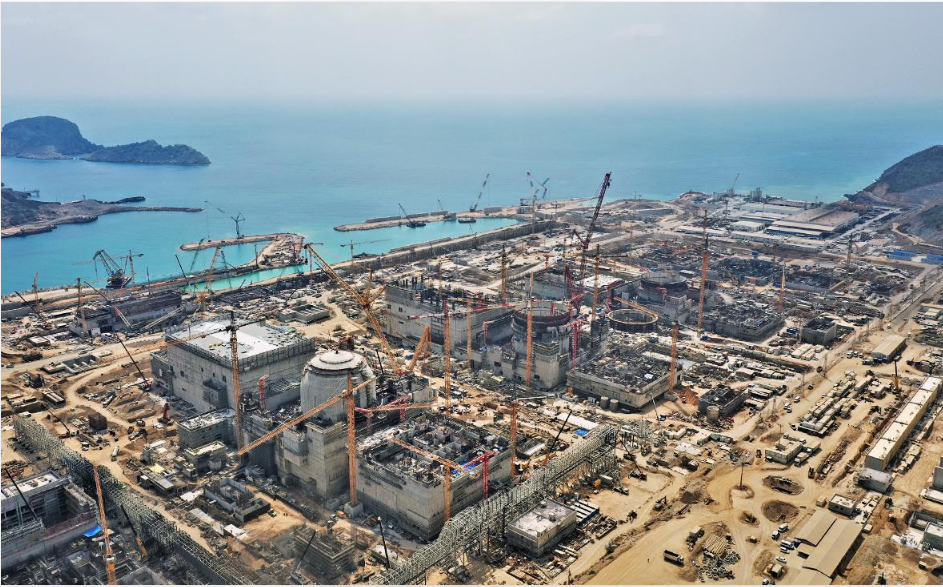
Türkiye is already developing the Akkuyu nuclear power plant on its Mediterranean coast. Russia’s Rosatom is constructing the facility, which has a planned generating capacity of 4.8 gigawatts. Ankara is also considering additional nuclear projects in Sinop and the Thrace region.
The government aims to expand national nuclear capacity to 10 gigawatts by 2040. Officials expect nuclear power to supply approximately 11% of electricity demand by that time.
However, meeting these ambitions will require substantial investment, experienced technical personnel and effective regulatory oversight. Nuclear development involves long construction periods and complex safety requirements. These challenges make early planning essential.
Canada’s CANDU Technology Enters the Discussion
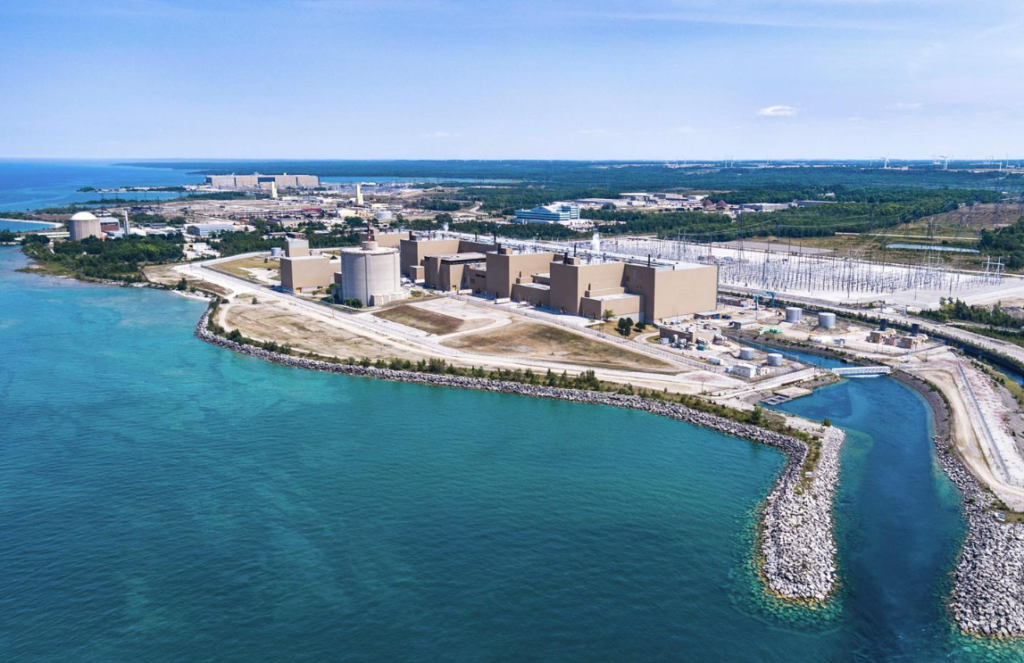
The proposed partnership centres on Canada’s CANDU nuclear reactor technology. Developed in Canada, CANDU reactors use heavy water to support nuclear reactions and can operate with natural uranium fuel.
This fuel flexibility distinguishes the technology from many other commercial reactor designs. CANDU reactors can also support local industrial participation through manufacturing, engineering and maintenance activities.
AtkinsRéalis serves as the steward of CANDU technology. The company reports that 34 CANDU reactors have been built across four continents. Its nuclear operations include engineering, reactor maintenance, refurbishment and project development.
For Türkiye, the technology could offer another option as it evaluates international nuclear suppliers. Canadian expertise would also provide opportunities to develop local technical capabilities.
However, selecting a reactor design involves more than comparing generating capacity. Governments must consider construction costs, fuel supply, safety systems, long-term maintenance and waste management.
The feasibility study will help determine whether CANDU technology meets Türkiye’s technical and economic requirements.
A Potential 4.5-Gigawatt Project
AtkinsRéalis and Turkish officials are discussing a possible six-reactor development with a combined generating capacity of approximately 4.5 gigawatts. Such a facility would represent a substantial addition to Türkiye’s electricity system.
The proposal remains preliminary. Its size, location and final design could change as technical assessments progress. The parties must also establish a workable financing structure before construction can begin.
Nuclear power plants require considerable upfront capital. Construction schedules can extend over many years, while delays may increase financing costs. Governments and developers must therefore examine financial risks alongside technical requirements.
Canadian export financing could play a role in supporting a future project. Nevertheless, the parties have not announced a final construction budget or binding investment commitment.
These uncertainties explain the importance of the current engineering phase. A credible project must demonstrate that its expected electricity output justifies the costs and risks of development.
Industrial Cooperation Beyond Electricity Generation
The agreement could create opportunities for Canadian and Turkish businesses beyond reactor construction. Major nuclear projects require specialised equipment, engineering services, industrial components and long-term maintenance support.
Turkish officials have emphasised the importance of involving domestic manufacturers. They also want to develop a skilled workforce capable of supporting nuclear operations over several decades.
Local participation could help Türkiye strengthen its engineering sector and reduce dependence on foreign technical services. However, nuclear manufacturing requires demanding quality standards and extensive certification.
For Canada, international nuclear projects can support specialised engineering companies and equipment suppliers. They can also help preserve expertise developed through decades of domestic nuclear operations.
The potential benefits extend beyond immediate construction contracts. Successful cooperation could support research, technical education and future industrial partnerships between the two countries.
Still, these outcomes depend on whether the proposed project progresses beyond its current assessment stage.
Energy Security and the Global Nuclear Debate
The agreement arrives as governments reconsider nuclear power’s role in national energy systems. Electricity demand is increasing in many economies, while countries face pressure to reduce greenhouse gas emissions.
Nuclear power produces very low operational carbon emissions. It can also complement renewable energy by providing dependable electricity when solar or wind generation falls.
However, nuclear energy remains controversial. Critics point to high construction costs, radioactive waste management and the consequences of serious accidents. Supporters argue that modern safety systems and reliable electricity generation justify continued investment.
For Türkiye, the challenge is to determine whether additional nuclear capacity offers an economically sustainable contribution to energy security. The government must also consider public confidence, environmental safeguards and long-term financial obligations.
For Canada, the partnership provides an opportunity to demonstrate the international relevance of its nuclear technology. Yet that opportunity will depend on competitive project delivery and transparent assessment of the risks.
THE ABE TAKE
The Canada–Türkiye nuclear agreement illustrates how energy security is becoming an important driver of international industrial cooperation. Countries increasingly want electricity systems that can support economic growth while limiting exposure to imported fuels and supply disruptions. Nuclear power offers one possible response, but its benefits depend on careful planning and successful execution.
For Canada, the proposed project represents an opportunity to expand the international reach of CANDU technology. A successful partnership could support engineering exports, industrial employment and long-term technical cooperation. However, international recognition alone will not secure the project. Canadian technology must demonstrate commercial competitiveness alongside its established engineering capabilities.
Türkiye faces a different calculation. Its nuclear ambitions could strengthen electricity supply and diversify the country’s energy system. Yet large reactors require substantial financing, strong regulatory institutions and decades of operational responsibility. The government must ensure that new generating capacity delivers value without creating excessive financial or environmental risks.
The agreement is therefore best understood as an important step rather than a completed achievement. Its real significance will emerge through the feasibility studies, engineering assessments and investment decisions that follow. If both countries establish a credible development plan, the partnership could become a meaningful example of how international cooperation shapes the future of low-carbon electricity.
ABE MAGAZINE
Understand More. Think Bigger.