





November 12, 2026 | By ABE Editorial Desk
Guinea is seeking to transform its mining industry by processing more of its mineral resources domestically. The West African country has three alumina refineries under construction and plans to have five operating by 2030. The projects represent a significant shift for an economy that has long depended on exporting raw bauxite. Government officials believe local processing could create skilled employment, strengthen manufacturing and generate greater economic value. However, the strategy faces a major obstacle: Guinea does not yet produce enough reliable electricity to support its industrial ambitions.
From Raw Mineral Exports to Industrial Production
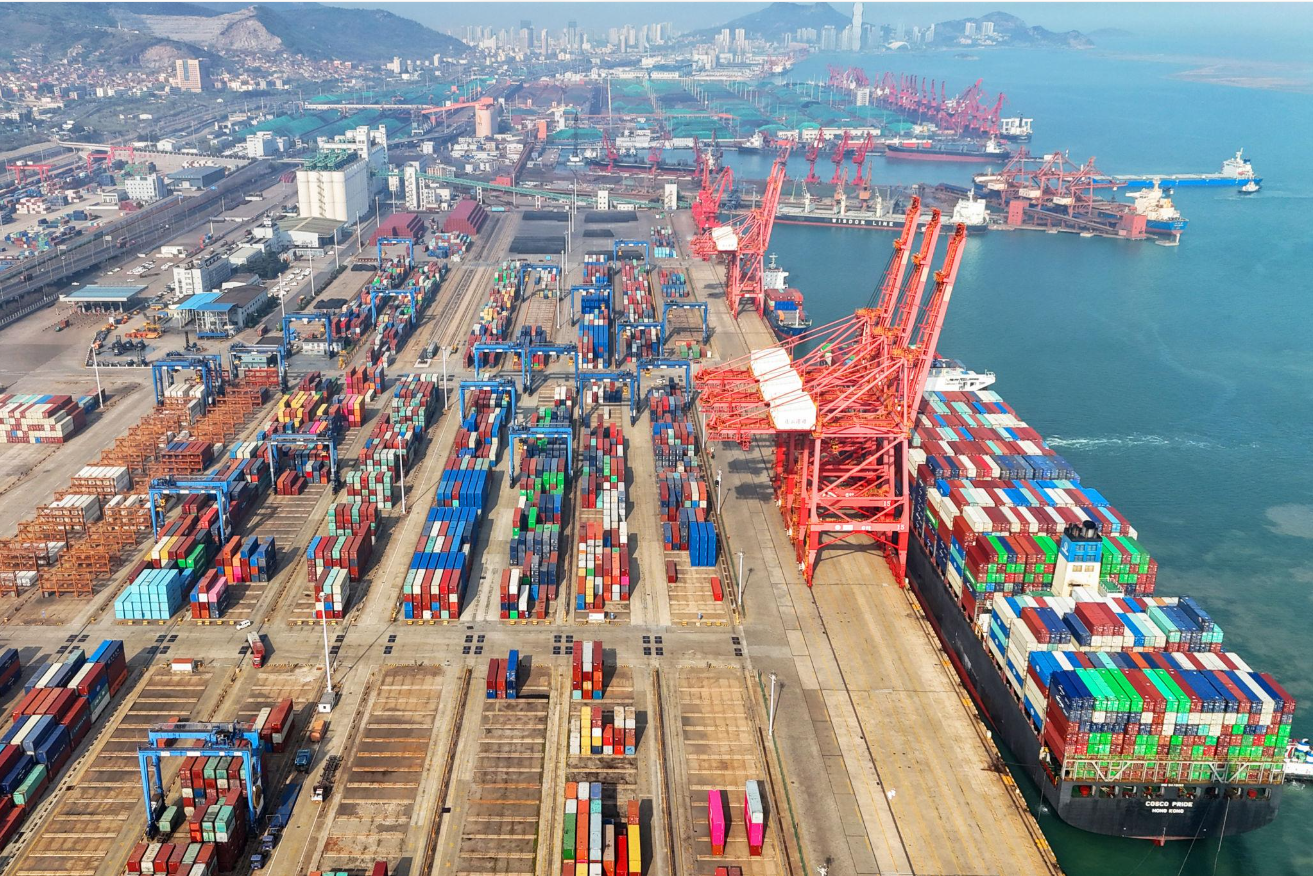
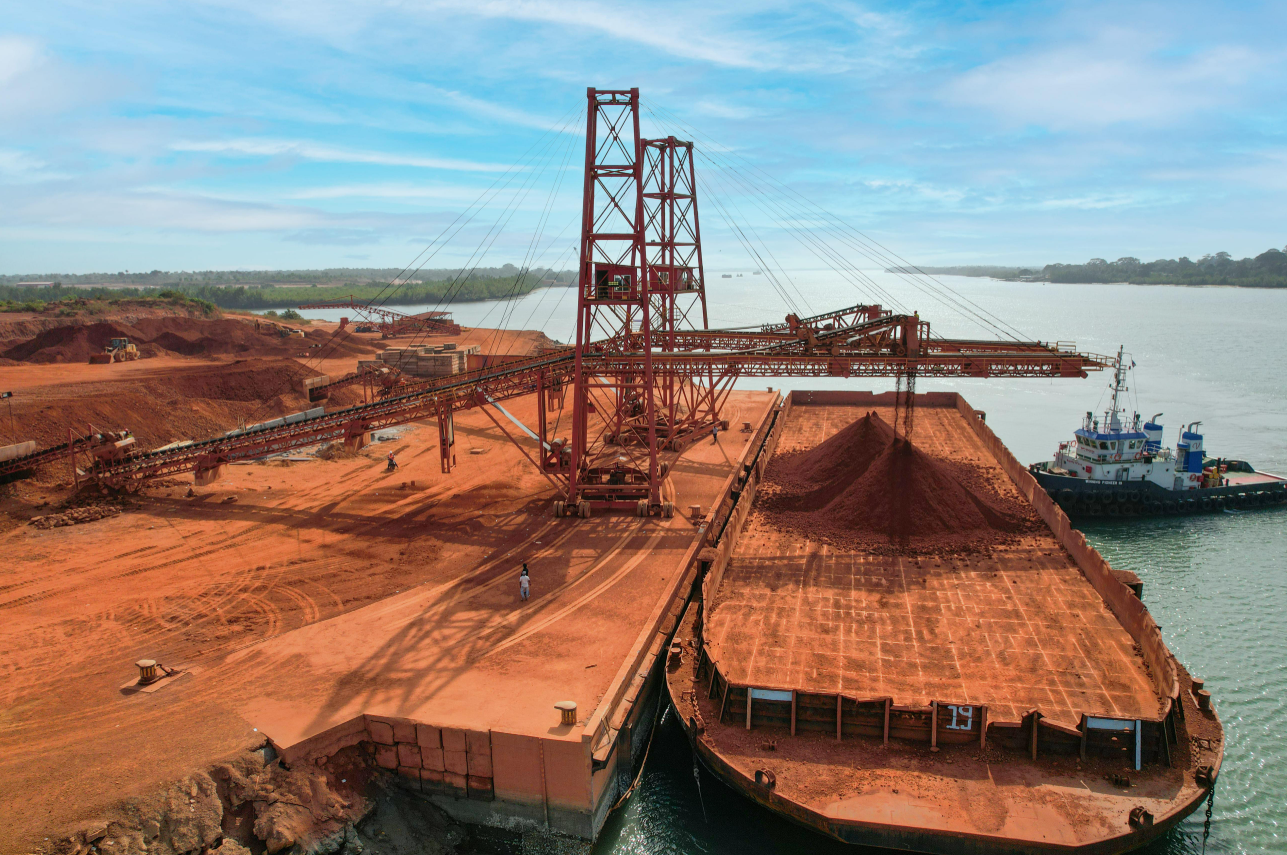
Guinea has become one of the world’s most important suppliers of bauxite, the mineral used to produce aluminium. Much of its output travels overseas, particularly to China, where industrial facilities process the material into alumina and eventually aluminium.
This trade has generated export revenue and attracted international mining companies. However, it has also limited Guinea’s participation in the more advanced stages of production.
Bauxite mining involves extracting and transporting raw ore. Refining requires specialised equipment, technical expertise and large amounts of energy. These additional activities can create opportunities for manufacturers, engineers and service providers.
Guinea’s government now wants more of that industrial activity to take place within its borders. Its strategy reflects a broader African debate about how resource-rich economies can capture more value from their natural wealth.
The challenge is turning that ambition into commercially sustainable businesses.
Three Refineries Under Construction
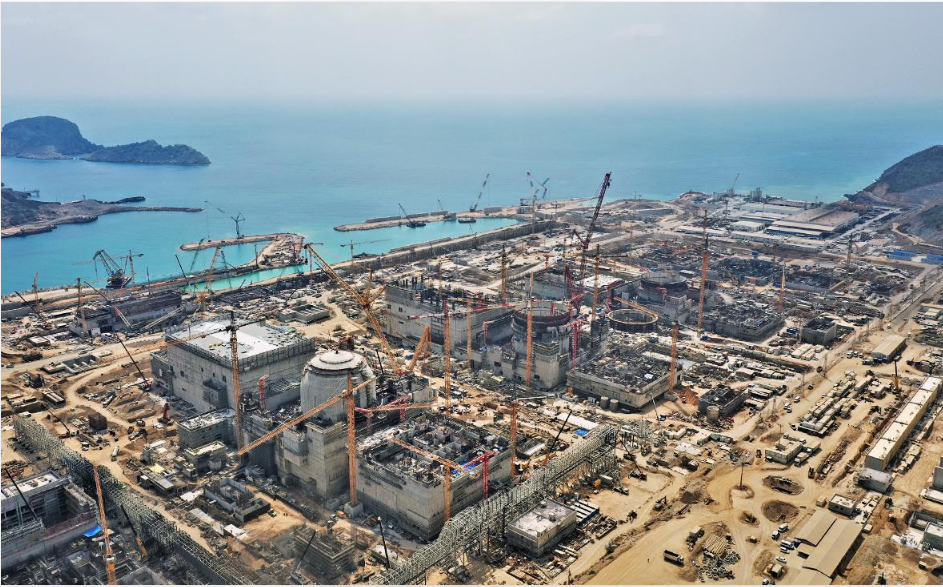
Guinea currently has three major alumina refinery projects under development. They involve China’s State Power Investment Corporation, the Winning consortium and Chalco.
In June 2026, authorities launched construction of Chalco’s refinery in the Boffa region. The project represents an estimated investment of $1 billion and has a planned annual capacity of 1.2 million tonnes of alumina.
The development forms part of Guinea’s wider Simandou 2040 industrial strategy. Although the programme is closely associated with the country’s iron ore resources, it also supports broader mineral processing and infrastructure development.
Officials want five alumina refineries operating by 2030. Together, they could provide annual production capacity of approximately seven million to eight million tonnes.
These figures describe government targets rather than completed production. Construction schedules, financing and technical challenges will determine how quickly the projects become operational.
Nevertheless, the scale of the programme signals a change in Guinea’s approach to mining development.
Electricity Could Determine the Outcome
Energy supply presents one of the greatest challenges to Guinea’s industrial plans.
According to government officials, the country currently generates approximately 1,000 megawatts of electricity, largely from hydropower. Yet wider industrial development could require between 5,000 and 10,000 megawatts.
That difference is substantial. Alumina refineries need dependable electricity and heat to operate efficiently. Aluminium smelters require even greater amounts of power.
Guinea’s electricity system also faces seasonal pressures. Hydropower generation can change with rainfall, affecting the availability of electricity throughout the year.
Without additional generating capacity, industrial projects may face higher operating costs or production interruptions. These difficulties could weaken their competitiveness in international markets.
Government officials are examining several energy options to support future industrial development. However, building new power infrastructure requires investment, planning and reliable transmission networks.
The success of Guinea’s refinery programme will therefore depend partly on developments outside the mining sector.
A New Relationship With International Mining Companies
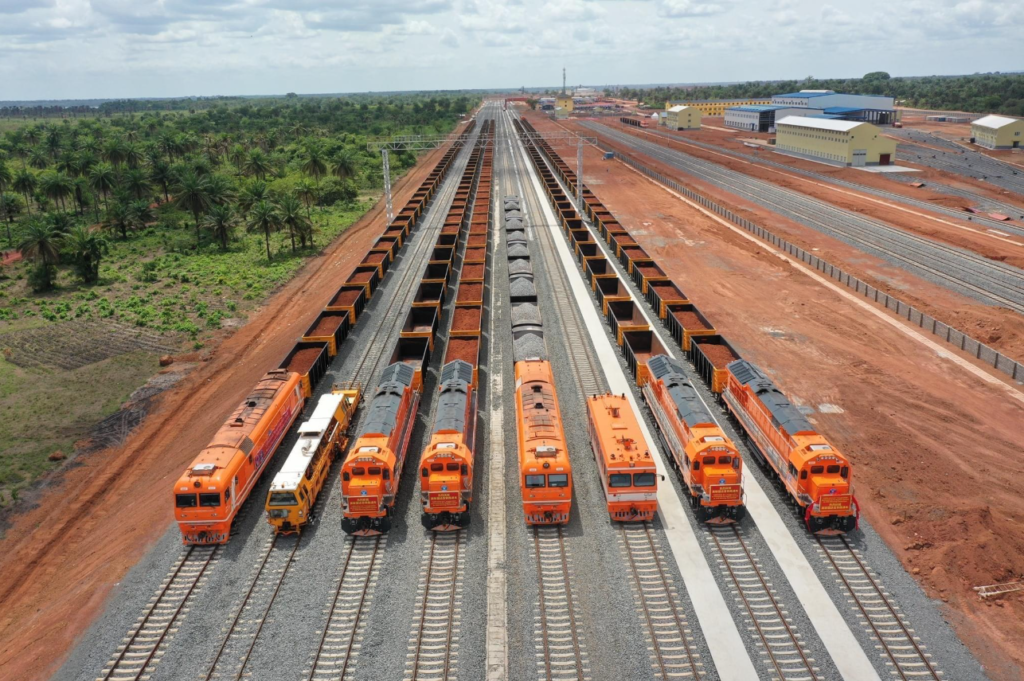
Guinea’s industrial ambitions are also changing its relationship with foreign mining companies.
For decades, international operators have played a central role in extracting and exporting the country’s bauxite. The government now wants investors to contribute more directly to domestic processing.
Authorities have increased pressure on companies to fulfil refinery commitments. They are also considering measures to manage raw bauxite exports and encourage investment in industrial facilities.
The strategy could strengthen Guinea’s position when negotiating future mining agreements. Access to valuable mineral deposits gives the country an important commercial advantage.
However, stricter requirements can also create uncertainty for investors. Companies must assess whether local processing facilities can operate profitably despite infrastructure limitations.
A successful approach will require predictable regulations and realistic project timelines. Guinea must encourage industrial development without discouraging the investment needed to achieve it.
The balance between government oversight and commercial viability will remain important.
What Local Processing Could Mean for Guineans
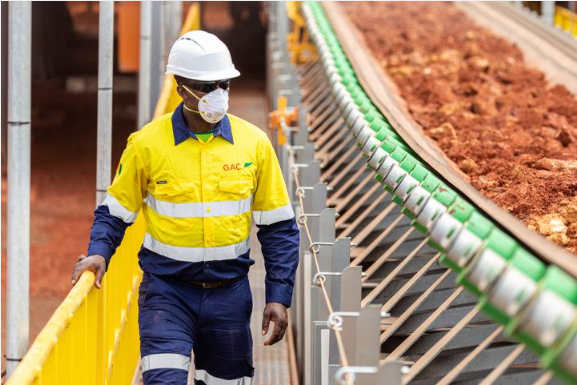
The economic case for alumina refining extends beyond export earnings.
Large industrial facilities need engineers, technicians, maintenance workers and logistics specialists. Their operations can also support transport businesses, equipment suppliers and other local services.
These opportunities could help Guinea develop skills that remain valuable beyond individual mining projects.
However, the benefits will depend on workforce training and local participation. Foreign companies may initially rely on international specialists when domestic technical capacity is limited.
Education and industrial training will therefore play an important role. Local suppliers must also meet demanding standards before they can participate in major refinery operations.
Environmental protection presents another challenge. Alumina refining produces bauxite residue, commonly called red mud, which requires careful storage and management.
Communities near industrial facilities need effective safeguards for land, water and public health. Without strong oversight, economic development could create additional environmental pressures.
Guinea’s long-term success should therefore be measured by employment quality, local business development and environmental performance, not simply production volumes.
A Wider Test for African Industrialisation
Guinea’s strategy reflects a growing ambition across Africa to move beyond exporting unprocessed minerals.
Several resource-rich countries want to develop refining, smelting and manufacturing industries. They see these activities as opportunities to create employment and strengthen domestic economies.
However, mineral wealth alone cannot guarantee industrial success. Manufacturers also need affordable electricity, efficient transport, skilled workers and access to international markets.
Guinea offers a particularly important test because of its dominant position in global bauxite production.
If the country develops competitive refining operations, it could demonstrate how mineral exporters can expand into more advanced industrial activities.
If infrastructure costs remain too high, the projects may struggle to deliver their expected benefits.
The outcome will provide lessons for other African economies pursuing similar strategies.
THE ABE TAKE
Guinea’s refinery programme represents an important attempt to change the economic relationship between Africa’s natural resources and its industrial development. For too long, many mineral-rich countries have exported raw materials while more advanced processing takes place elsewhere. Guinea wants to challenge that pattern by creating greater value within its own economy.
The ambition is justified, but industrialisation cannot depend on government targets alone. Refineries require reliable energy, efficient infrastructure and internationally competitive operating costs. Without these foundations, new facilities may struggle to generate sustainable returns.
The government’s approach also raises an important question about economic development. Will the projects create lasting opportunities for Guinean workers and businesses, or will most benefits remain concentrated among large industrial operators? Training, local procurement and environmental protection will help determine the answer.
Guinea has the mineral resources to support a major refining industry. It now needs the infrastructure and institutions capable of turning those resources into broader prosperity.
The real achievement will not be the number of refineries announced. It will be the creation of a competitive industrial sector that strengthens the economy and delivers lasting benefits to its people.
ABE MAGAZINE
Understand More. Think Bigger.