






ABE MAGAZINE | HEALTHCARE & PUBLIC HEALTH
November 12, 2026 | By ABE Editorial Desk
The Democratic Republic of the Congo is facing its deadliest Ebola outbreak on record. More than 11,000 people have contracted the virus, while over 5,300 have died. Yet the growing death toll is only part of the emergency. Armed attacks, damaged health facilities and shortages of essential supplies are disrupting efforts to contain the disease. Health workers now face the difficult task of treating patients while protecting themselves from violence. The crisis has become a test of public health, humanitarian access and government coordination in one of Africa’s most unstable regions.
An Outbreak That Continues to Spread
The latest figures show the scale of the emergency. As of November 10, health authorities had recorded 11,042 confirmed infections and 5,387 deaths across eight Congolese provinces.
The outbreak began earlier this year and was officially declared in May. It involves the Bundibugyo virus, a less common cause of Ebola disease.
Ituri province remains the most affected area. North Kivu has also experienced extensive transmission, while infections have appeared in several neighbouring provinces.
The outbreak has spread faster than previous Ebola emergencies in the country. Health authorities have struggled to identify every infection, particularly in remote communities and conflict-affected areas.
The World Health Organization has reported encouraging signs in some locations. Nearly 3,000 patients have recovered, and transmission appears to be slowing in certain communities.
However, new hotspots continue to emerge. Officials warn that local improvements do not mean the wider outbreak is under control.
Violence Is Undermining the Health Response
Armed insecurity has become one of the greatest obstacles to controlling the outbreak.
During an attack on Cantine-Aloya last week, 66 civilians were killed, including three health workers. Attackers also looted and burned three health facilities.
The violence disrupted disease surveillance. More than 1,000 people who had been identified as contacts were lost to follow-up. Three confirmed Ebola patients also became unaccounted for.
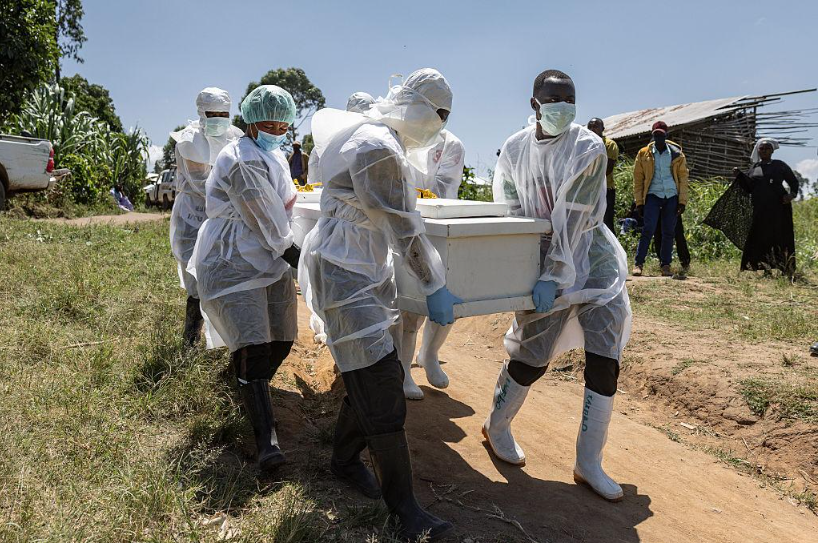
Other incidents have included attacks on medical personnel, threats against treatment centres and violence directed at burial teams.
These disruptions have serious consequences. Ebola response teams must identify infected patients quickly and monitor people who may have been exposed.
When violence prevents workers from reaching communities, infected individuals may remain outside the health system. This increases the risk of further transmission.
Protecting medical workers is therefore essential to containing the outbreak. Without safe access, even well-equipped treatment programmes cannot operate effectively.
Hospitals Face Shortages and Growing Pressure
Medical facilities are struggling with problems beyond insecurity.
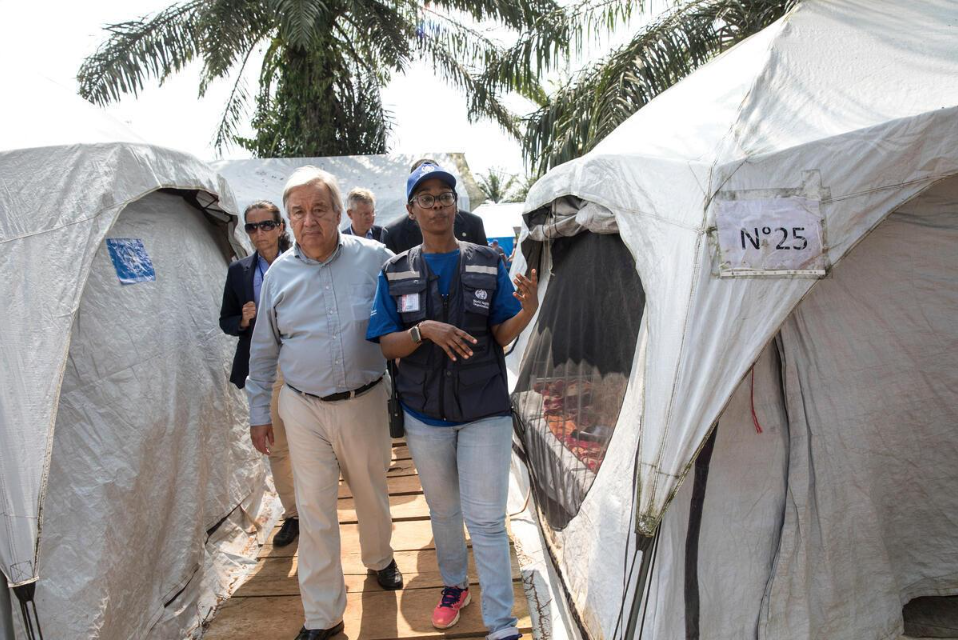
Médecins Sans Frontières has warned that some treatment centres lack essential supplies and adequately trained personnel. Ambulances have faced fuel shortages, while frontline workers have experienced payment delays.
These weaknesses affect the entire response. Health teams need protective equipment, clean water, disinfectants and reliable transport to investigate suspected infections.
Hospitals must also prevent transmission within their facilities. Patients with Ebola require careful isolation and specialised infection-control procedures.
However, some healthcare settings have become locations where infections occur. MSF has raised particular concerns about transmission inside facilities in North Kivu.
The organisation has called for stronger coordination between Congolese authorities and international agencies.
WHO has acknowledged operational challenges and says it is working with national and regional partners to strengthen surveillance, treatment and infection prevention.
The central problem is ensuring that available resources reach the communities and health workers who need them.
Why Ebola Remains Difficult to Contain
Ebola spreads through direct contact with the blood or other bodily fluids of infected people. Transmission can also occur through contaminated materials.
The disease can cause fever, weakness, vomiting and diarrhoea. Severe cases may lead to organ damage and life-threatening complications.
Early detection is critical. Patients need prompt medical care, while response teams must identify and monitor people who have had possible exposure.
The current outbreak presents an additional challenge because it involves the Bundibugyo virus. Unlike the Zaire Ebola virus, this variant has no approved vaccine or virus-specific treatment.
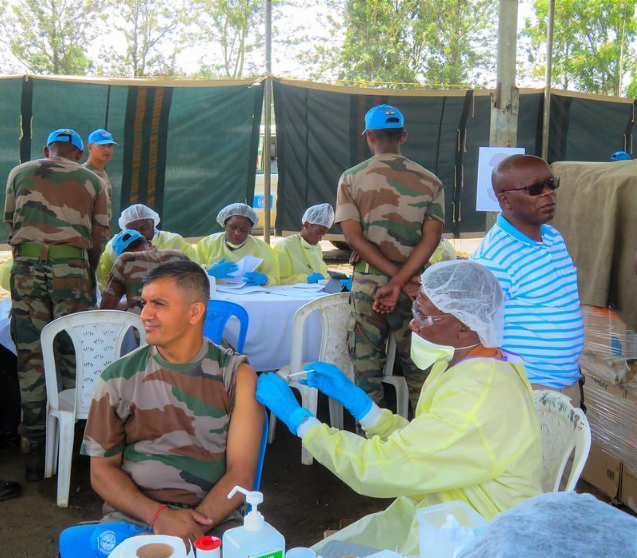
Researchers are evaluating possible vaccines and other medical interventions. However, these efforts cannot replace established public health measures.
Effective containment still depends on testing, isolation, supportive treatment and safe burial procedures.
Community trust is equally important. Families must feel confident that health teams will provide respectful care and reliable information.
Without that confidence, patients may delay seeking treatment or avoid contact with medical authorities.
The Human Cost Beyond Ebola
The outbreak is affecting communities already facing serious humanitarian challenges.
Years of armed conflict have displaced families and weakened essential services in eastern Congo. Poor roads and difficult terrain make it harder to transport medical supplies and reach isolated settlements.
The emergency also places pressure on ordinary healthcare. Hospitals must continue providing maternity care, childhood treatment and other essential services while managing Ebola patients.
Families face additional hardship when breadwinners become ill or communities restrict movement to reduce transmission.
Children may experience disruptions to education and family life. Survivors can also require medical follow-up and psychological support.
WHO has warned that the Ebola response must not come at the expense of other healthcare needs.
The wider humanitarian situation therefore requires coordinated action. Disease control, civilian protection and access to basic services must support one another.
A Regional and International Concern
The outbreak has also created risks beyond Congo’s borders.
Kenya has reported nine linked cases, including two deaths. By November 11, all surviving patients had recovered, and the country had begun the required monitoring period before it could be declared free of the outbreak.
Nigeria has reported an imported case involving a traveller who was later evacuated to Switzerland.
These developments demonstrate the importance of cross-border surveillance and early detection.
Regional health authorities are strengthening preparedness through testing, contact monitoring and infection-control training.
WHO has also urged governments to avoid blanket travel restrictions. Such measures can disrupt humanitarian operations and discourage transparent outbreak reporting.
Targeted public health measures offer a more effective response.
However, regional preparedness cannot replace the need to contain transmission at its source.
THE ABE TAKE
Congo’s Ebola emergency demonstrates that disease outbreaks cannot be separated from the conditions in which people live. Medical expertise and international assistance are essential, but they cannot succeed without security, functioning institutions and community cooperation.
The attacks on health workers are particularly alarming. Every disrupted treatment centre and interrupted surveillance operation creates additional opportunities for transmission. Protecting healthcare personnel must therefore become a central part of the public health response.
The crisis also raises questions about how international assistance reaches affected communities. Funding commitments are important, but their value depends on delivery. Frontline teams need salaries, equipment, transport and safe access to patients.
There is a wider lesson for Africa’s public health systems. Emergency responses must strengthen local healthcare capacity rather than operate as temporary programmes disconnected from everyday services. Communities need reliable institutions before, during and after outbreaks.
Congo’s immediate priority is to stop transmission and save lives. Its longer-term challenge is to build a health system capable of responding to future emergencies despite persistent insecurity.
The world should measure progress not only by declining case numbers, but also by whether health workers can operate safely and communities regain access to dependable care.
ABE MAGAZINE
Understand More. Think Bigger.