









By ABE Magazine | October 31, 2026
Canada’s banking industry is entering a period of significant change. Rising financial pressures, digital innovation and growing competition are challenging the traditional business models of the country’s largest banks. Although these institutions remain financially strong, they must adapt to changing customer expectations and an uncertain economic environment.
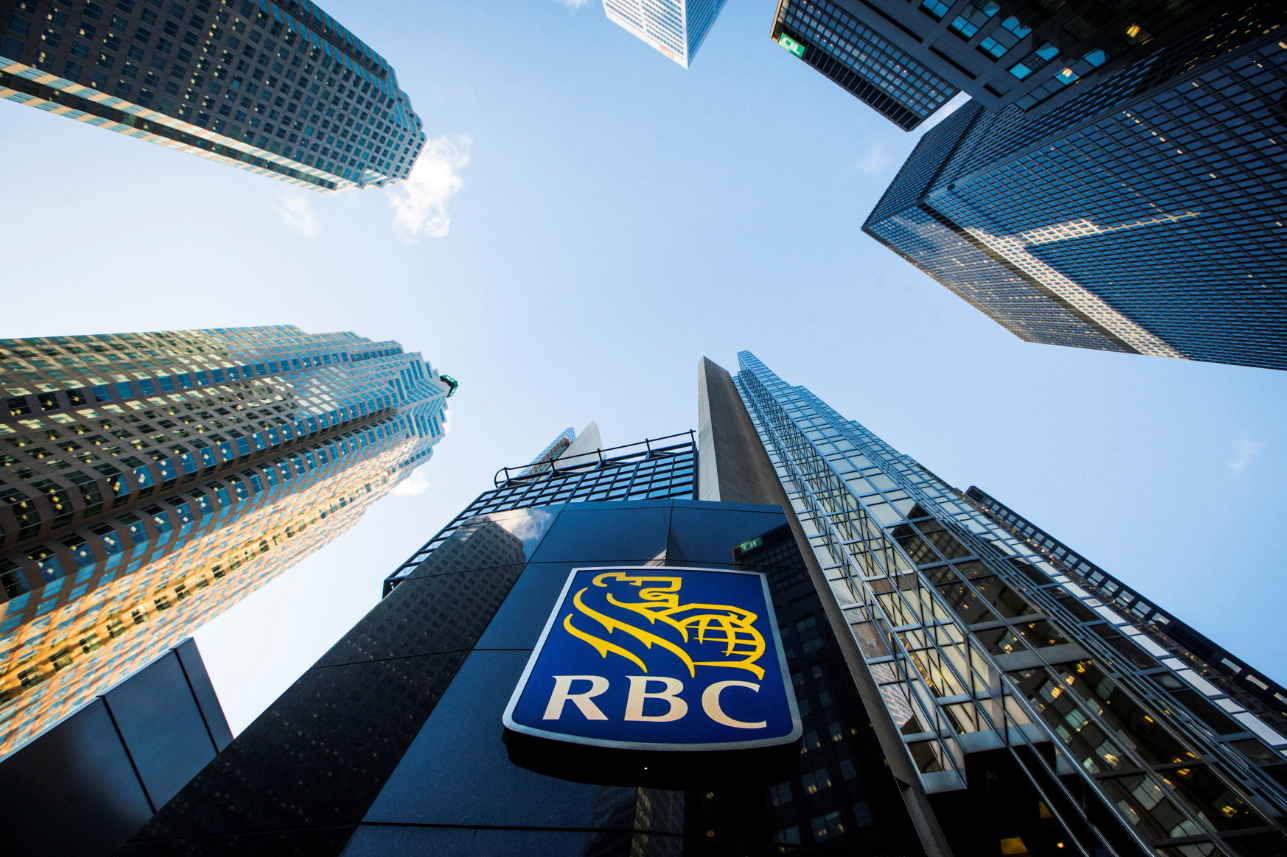
Six major institutions dominate Canada’s banking sector: Royal Bank of Canada (RBC), Toronto-Dominion Bank (TD), Scotiabank, Bank of Montreal (BMO), Canadian Imperial Bank of Commerce (CIBC) and National Bank of Canada. Together, they provide mortgages, business loans, investment products and payment services to millions of Canadians. Their extensive operations have made them central to the country’s financial system.
For decades, these banks have benefited from strong customer relationships, large financial reserves and established branch networks. However, the industry is changing. Digital banking platforms are attracting customers, household debt remains a concern, and regulators are exploring ways to encourage greater competition.
The challenge for Canada’s banking giants is clear. They must protect financial stability while investing in technology, improving customer services and preparing for new economic risks.
Household Debt Creates Pressure for Canadian Banks

Household debt remains one of the most important risks facing Canada’s financial sector. Many Canadians rely on mortgages and other forms of borrowing to finance housing, education and everyday expenses. As a result, changes in interest rates and employment conditions can directly affect their ability to meet financial obligations.
The Bank of Canada’s 2026 Financial Stability Report found that Canadian households had generally remained resilient despite higher borrowing costs. However, the central bank warned that some borrowers continued to face financial pressure. Households with limited savings, high debt levels or unstable employment were particularly vulnerable.
Mortgage renewals remain a major concern. Many homeowners secured loans when interest rates were exceptionally low. As those mortgages come up for renewal, borrowers may face higher monthly payments.
According to the Bank of Canada’s 2026 assessment, approximately 12% of outstanding mortgages were expected to renew over the following year. Affected borrowers faced average payment increases of around 15%. These higher costs can reduce the amount of money available for household spending and savings.
Mortgage Renewals Could Affect Consumer Spending
Higher mortgage payments have consequences beyond the housing market. When households devote more income to debt repayments, they often reduce spending on other goods and services. This can affect retailers, restaurants and businesses that depend on consumer demand.
The impact varies across households. Canadians with stable employment and substantial savings generally have more flexibility. Those facing job insecurity or declining property values may find it harder to manage rising expenses.
The Bank of Canada has also identified financial vulnerabilities in parts of the Toronto housing market. Falling property values and elevated mortgage obligations have placed pressure on some borrowers.
For major banks, these developments require careful risk management. Lenders must assess borrowers’ financial circumstances while maintaining enough capital to absorb potential losses.
Nevertheless, elevated household debt does not automatically indicate a banking crisis. Canada’s largest financial institutions continue to operate with substantial financial resources. Their resilience will depend partly on employment conditions, economic growth and the performance of the housing market.
Digital Banking Is Changing Customer Expectations

Economic pressures are not the only challenge facing Canada’s banks. Financial technology companies are also changing how Canadians manage their money.
Consumers increasingly expect banking services to be fast, convenient and accessible through mobile devices. Many prefer opening accounts, transferring funds and managing investments without visiting a physical branch.
Digital-first financial service providers have responded to these expectations. Companies such as Wealthsimple and EQ Bank offer services designed around online account management, digital payments and investment tools.
These businesses operate under different financial and regulatory structures. However, they demonstrate how competition is expanding beyond the traditional banking model.
Customers can now compare financial products more easily. They can also maintain accounts with several providers rather than depend entirely on one institution.
Fintech Competition Challenges Traditional Banking
For established banks, the growth of digital financial services creates both opportunities and risks.
Large institutions have advantages that smaller competitors may struggle to match. These include extensive financial resources, established customer relationships and broad product offerings.
However, their size can also make technological changes more complex. Older computer systems, large operational structures and regulatory requirements can increase the cost of introducing new services.
Digital competitors often focus on specific customer needs. Some emphasize lower fees, while others prioritize convenient payments, automated investing or simplified account management.
This competition is encouraging traditional banks to improve their own digital services. Investments in cybersecurity, mobile banking and artificial intelligence are becoming increasingly important.
Technology is no longer simply a supporting function within the banking industry. It has become a major factor in attracting customers, controlling costs and maintaining long-term competitiveness.
Banking Regulation Could Encourage New Competitors
Canada’s regulatory environment may also influence the future of banking competition.
In January 2026, the Office of the Superintendent of Financial Institutions (OSFI) announced a pilot initiative designed to streamline certain bank licensing applications. The programme was scheduled to begin in June 2026.
The initiative aims to make parts of the application process more efficient for eligible institutions. It could help innovative financial businesses navigate the regulatory system while maintaining important safeguards.
However, obtaining a banking licence remains a demanding process. Applicants must demonstrate sufficient capital, effective governance and reliable risk management. They must also meet strict operational and security requirements.
A more efficient licensing process does not guarantee that new banks will enter the market successfully. Established institutions still benefit from strong brands, substantial resources and extensive customer networks.
Nevertheless, regulatory changes could gradually create opportunities for greater competition.
For consumers, increased competition may encourage better digital services, more attractive financial products and improved customer experiences. Small businesses could also benefit if new financial institutions introduce alternative lending and payment solutions.
Economic Uncertainty Adds Pressure to Business Lending
Canada’s banks play an important role in financing businesses across the country.
Small and medium-sized enterprises depend on financial institutions for operating loans, equipment financing and expansion capital. Access to credit can determine whether a business hires employees, purchases new technology or enters additional markets.
However, economic uncertainty can influence lending decisions. Trade tensions, weaker consumer demand and rising operating costs may affect business profitability.
Banks must consider these risks when deciding how much credit to provide. If financial conditions deteriorate, lenders may become more cautious about extending loans to businesses with uncertain revenue.
This creates a difficult balance. Restricting credit too aggressively could limit economic growth. On the other hand, excessive lending without proper risk assessment could increase financial losses.
Canada’s major banks must therefore maintain responsible lending standards while supporting businesses that contribute to employment and economic activity.
Cybersecurity Becomes a Growing Priority
The expansion of digital banking also creates new operational risks.
Financial institutions manage large amounts of personal information and process substantial transaction volumes. As more services move online, banks must protect their systems against fraud, cyberattacks and technical failures.
A major security incident can disrupt financial services and damage customer confidence. Banks must therefore invest in secure infrastructure, effective monitoring systems and reliable recovery procedures.
Artificial intelligence may help institutions detect suspicious transactions and improve customer support. However, its use also introduces challenges involving data protection, system accuracy and accountability.
For Canada’s banks, successful digital transformation requires more than convenient applications. It also demands dependable systems and strong customer protection.
THE ABE TAKE
Canada’s banking industry faces an important test as financial pressures and technological change reshape the market.
The country’s largest banks remain powerful institutions. Their financial resources, established customer relationships and experience in managing economic risks provide significant advantages.
However, those strengths do not guarantee future success.
Digital financial services are changing what customers expect from banks. Meanwhile, elevated household debt and uncertain economic conditions require continued financial discipline.
For regulators, the challenge is encouraging competition without weakening financial stability. For traditional banks, the priority is improving services while maintaining effective risk management.
Consumers and businesses could benefit from a more competitive banking environment. Greater choice, improved technology and accessible financial products may strengthen the country’s financial system.
Ultimately, Canada’s banking giants must demonstrate that they can combine innovation with the stability that customers and businesses expect.
The future of Canadian banking will depend not simply on the size of its largest institutions, but on their ability to adapt, compete and maintain public trust.
ABE MAGAZINE
Understand More. Think Bigger.