









Tuesday, November 10, 2026 | Banking & Financial Services
By ABE Editorial Desk
Italy’s approval of new investment powers marks a significant development in the Poste Italiane banking expansion, allowing BancoPosta to acquire minority stakes in banks, insurers and other financial institutions. The decision could strengthen the state-linked postal group’s position in financial services as competition intensifies across Europe’s banking industry. Although the new framework restricts BancoPosta from acquiring controlling interests in certain financial institutions, it creates opportunities for strategic partnerships and investment. The move also raises broader questions about the changing relationship between traditional banking, postal services and digital finance.
Italy Expands BancoPosta’s Investment Powers
The Italian government approved the decree on November 9, with details reported by Reuters on November 10. Under the new framework, BancoPosta will be permitted to purchase stakes in banks, insurance and reinsurance companies, asset managers and electronic-money institutions.
The distinction between minority ownership and corporate control is central to the legislation. BancoPosta will not be allowed to acquire controlling stakes in banks and financial intermediaries, limiting its ability to take over their management or independently determine their business strategies. The framework therefore creates opportunities for investment and cooperation without granting the postal financial division unrestricted banking acquisition powers.
The decree also introduces oversight arrangements coordinated by the Bank of Italy. Such supervision is particularly important because financial-sector investments can expose institutions to risks extending beyond their original commercial activities, including market volatility, capital requirements and complex relationships between affiliated companies.
The government’s precise rationale for the measure was not immediately explained publicly. Nevertheless, its timing coincides with Poste Italiane’s efforts to reorganise its financial services operations and strengthen its position against digital banks and financial technology companies.
From Postal Operator to Financial Services Group
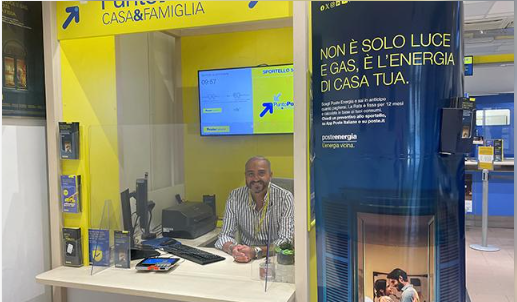
Poste Italiane has evolved considerably beyond its traditional role in delivering letters and parcels. The company now operates across financial services, insurance, digital payments, telecommunications and energy supply, using its established customer relationships and physical distribution network to offer products extending well beyond postal activities.
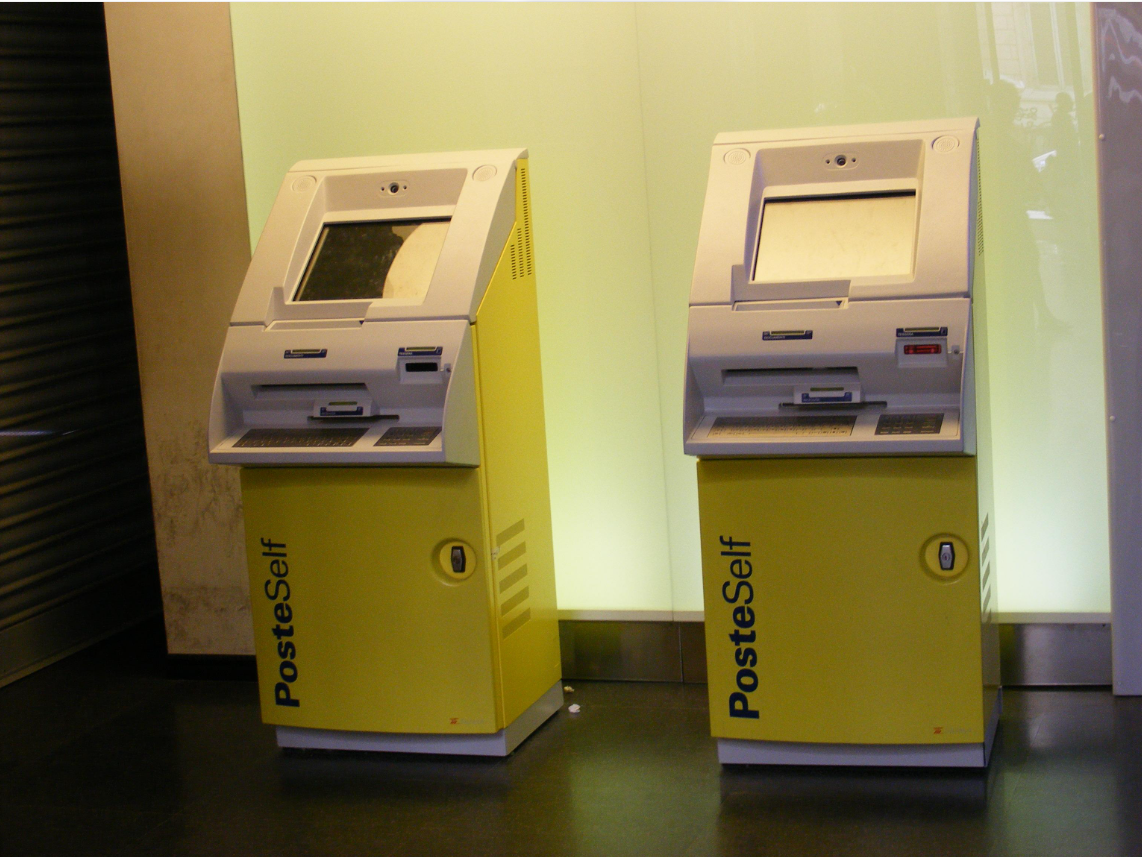
BancoPosta is central to that transformation. Through postal accounts, payment services and savings-related products, the division has developed a significant presence in the financial lives of Italian households. Its activities demonstrate how an organisation originally designed to provide public infrastructure can become an important participant in commercial financial services.
This business model differs from that of conventional banks. Poste Italiane can combine financial products with existing retail services, allowing customers to access several services through a familiar institution. Its network also provides a physical point of contact at a time when many traditional banks are reducing branches and encouraging customers to move towards digital platforms.
The company’s diversification has created additional commercial opportunities, but it has also increased operational complexity. Managing insurance, payments, telecommunications and financial investments requires different regulatory expertise and risk controls from those associated with traditional postal services.
Minority Investments Could Reshape Financial Partnerships
The new decree may allow BancoPosta to strengthen its financial operations through minority investments rather than full acquisitions. Purchasing a stake in another institution can provide access to specialised capabilities, commercial partnerships and future earnings without requiring the buyer to assume complete responsibility for the target company’s operations.
For example, an investment in an asset manager could support cooperation in investment products, while a stake in a payments company might strengthen digital transaction capabilities. Similar arrangements involving insurers could expand the range of financial products available through Poste Italiane’s distribution network.
However, the restrictions on controlling ownership also limit the benefits available from such transactions. A minority shareholder generally cannot independently restructure an acquired company, consolidate its operations or dictate its commercial priorities. The effectiveness of each investment would therefore depend on shareholder agreements, governance arrangements and the willingness of participating companies to cooperate.
The decree does not identify specific acquisition targets or establish that any new investment has been completed. Its immediate significance lies in expanding the range of transactions BancoPosta may pursue, rather than announcing a particular merger or takeover.
Digital Banking Competition Changes the Industry

Poste Italiane’s financial expansion comes as European banking faces significant changes in customer behaviour and technology. Digital banks and financial technology companies have introduced alternative approaches to payments, savings and financial account management, challenging institutions that historically depended on extensive branch networks.
Traditional banks have responded by investing in digital infrastructure, simplifying operations and developing partnerships with technology providers. Financial services increasingly compete on convenience, transaction costs, customer experience and the ability to integrate products within a single platform.
Poste Italiane is pursuing its own restructuring, including plans for a financial services hub that would more closely connect its banking and digital payments operations. The new investment powers could complement that strategy by allowing BancoPosta to establish relationships with businesses possessing capabilities it would otherwise need to develop internally.
The challenge will be balancing digital expansion with the advantages of its existing physical presence. Poste Italiane’s broad distribution network provides customer access, but maintaining traditional infrastructure can also create costs that newer digital competitors do not face to the same extent.
Its long-term competitiveness will depend on whether the company can combine established customer trust with efficient digital services and commercially sustainable financial products.
State Influence and Banking Competition
The government’s decision also reflects the continuing role of public policy in Italy’s financial sector. Poste Italiane remains a state-linked company, and its expansion into financial investments introduces questions about how government ownership interacts with commercial competition.
State involvement can support long-term investment and financial service accessibility, particularly where private institutions have reduced their physical presence. However, it also requires careful attention to competitive neutrality, governance and the appropriate separation of commercial objectives from political priorities.
Italy’s banking industry is already experiencing substantial consolidation activity, with major financial institutions exploring mergers and acquisitions to strengthen profitability and market position. BancoPosta’s new investment powers add another potential participant to this changing landscape, although the restriction on controlling stakes makes its role different from that of a conventional takeover bidder.
For banks, insurers and asset managers, Poste Italiane could become an increasingly important strategic shareholder or distribution partner. For regulators, the priority will be ensuring that new ownership relationships do not undermine financial stability or weaken accountability.
THE ABE TAKE
Italy’s decision to expand BancoPosta’s investment powers illustrates a wider transformation in financial services: the boundaries separating banks, payment providers, insurers and other consumer-facing businesses are becoming less distinct. Institutions with established customer relationships and extensive distribution networks are increasingly seeking opportunities to participate in financial markets beyond their original activities. Poste Italiane demonstrates how an organisation built around public infrastructure can evolve into a diversified commercial group.
The decree is significant precisely because it expands investment opportunities while preserving restrictions on corporate control. Rather than encouraging unrestricted banking acquisitions, Italy is creating a framework in which BancoPosta can pursue strategic partnerships and minority ownership positions. This approach could support innovation and commercial expansion, but its success will depend on the quality of individual investments and the effectiveness of regulatory supervision.
For traditional banks, the development introduces another competitive consideration. Financial institutions no longer compete exclusively with other banks; they increasingly face businesses capable of combining payments, digital services, insurance and customer distribution within a broader commercial ecosystem. Organisations that can integrate these services efficiently may develop advantages that extend beyond conventional banking products.
The wider lesson for international financial markets is that the future of banking may be shaped as much by ownership structures and distribution partnerships as by traditional mergers. Poste Italiane’s next phase will test whether a postal institution can use its established market position to build a more competitive financial business without compromising financial discipline. The result could offer useful lessons for other countries where postal networks continue to play an important role in household financial services.
ABE MAGAZINE
Understand More. Think Bigger.