



Tuesday, November 10, 2026 | International Business & Industrial Strategy
By ABE Magazine | International Business Desk
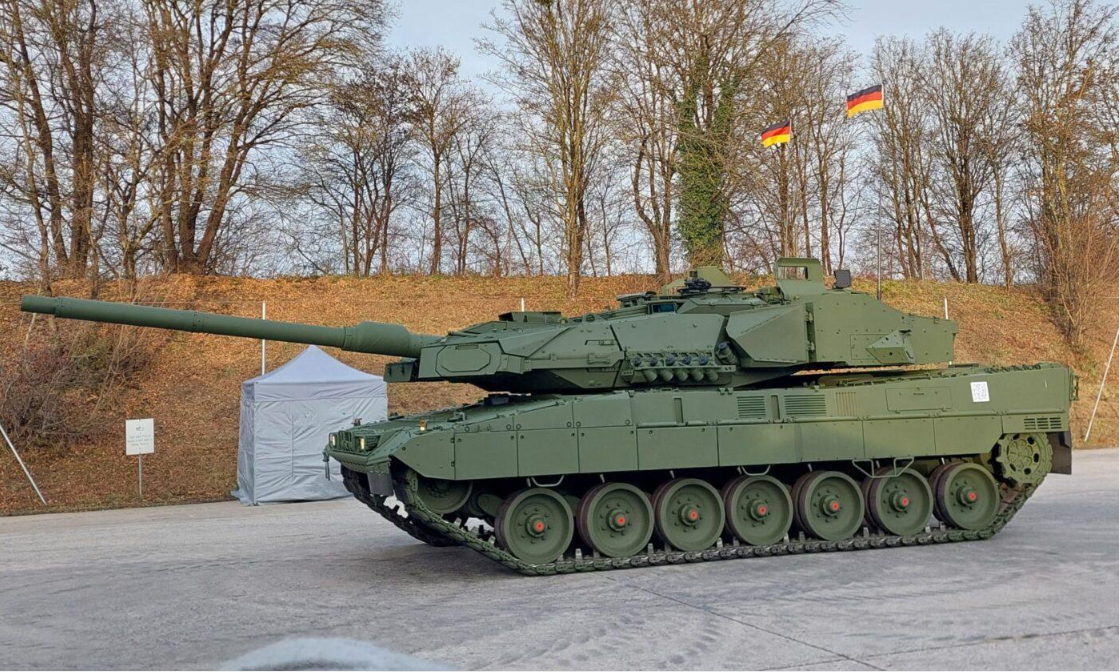
Germany is preparing to spend €6.6 billion to acquire a 50% stake in Franco-German defence manufacturer KNDS, marking a significant expansion of state ownership in one of Europe’s most strategically important industrial companies. The proposed acquisition, reported on November 10, reflects Berlin’s determination to protect critical military technologies, strengthen domestic manufacturing capabilities and secure equal influence with France over a major European defence supplier. Beyond the immediate transaction, the investment highlights a broader shift in European economic policy, as governments increasingly treat industrial ownership, manufacturing capacity and technological independence as matters of national security.
Germany Moves to Secure Control of a Strategic Manufacturer
The German government has agreed with KNDS’s family shareholders to acquire their 50% holding, according to government documents and reporting by Reuters. Two people familiar with the negotiations said the transaction would cost approximately €6.6 billion, equivalent to about $7.4 billion.
The reported purchase price is lower than the amount Berlin previously reserved for a smaller stake. In June, the government had earmarked up to €7.2 billion for a proposed 40% investment. The revised arrangement would initially give Germany an equal ownership position alongside France, which already controls the other half of the company.
The valuation reportedly reflects KNDS’s estimated equity value of €11.2 billion before its postponed stock market listing, together with an additional premium of approximately €1 billion. German officials have declined to disclose the confidential financial terms, while the selling shareholders have not publicly commented on the reported price.
The agreement therefore represents an important step towards government ownership, rather than a fully completed acquisition. The transaction’s final implementation remains subject to the relevant formal processes.
Why KNDS Matters to Europe’s Industrial Economy
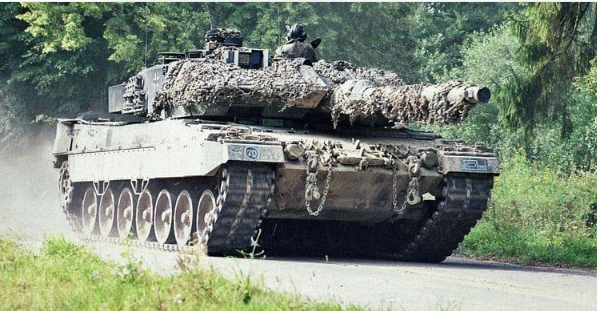
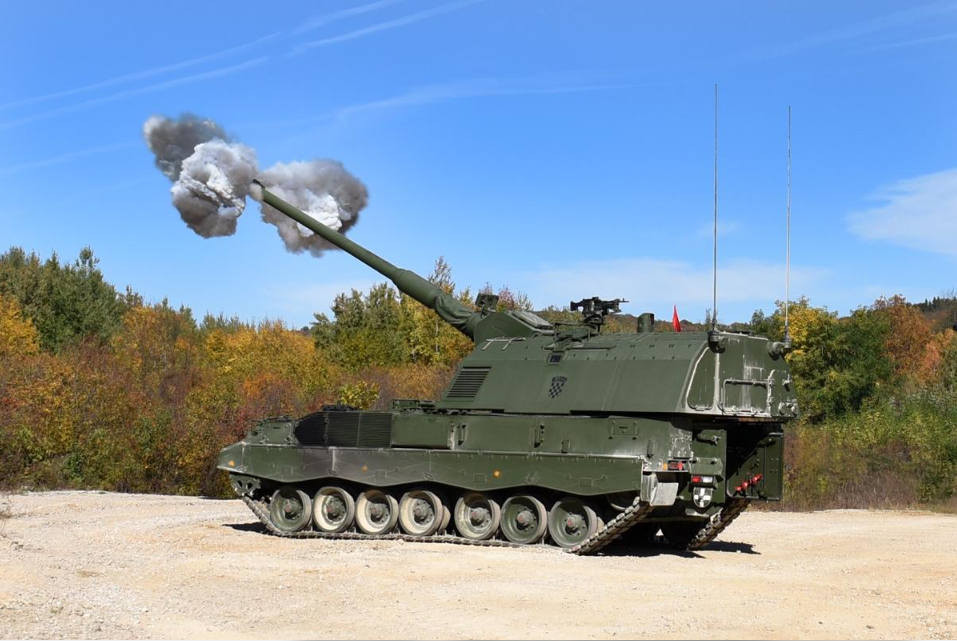
KNDS was established in 2015 through the combination of Germany’s Krauss-Maffei Wegmann and France’s Nexter Systems. The group manufactures military vehicles and equipment, including Leopard 2 and Leclerc battle tanks, artillery systems, ammunition and other land-defence technologies.
The company has become increasingly important as European governments expand military procurement and seek to rebuild production capacity. Its revenue reached €4.4 billion in 2025, an increase of 16%, while operating profit stood at approximately €661 million. KNDS also reported an order backlog of €33.1 billion at the end of that year, providing substantial visibility over future manufacturing demand.
These figures illustrate why the company has attracted growing attention from governments and investors. Defence manufacturers operate in a sector where contracts often extend across several years, require substantial investment in specialised facilities and depend heavily on public procurement decisions.
For Germany, maintaining influence over KNDS means more than holding shares in a profitable manufacturer. It provides a means of protecting industrial expertise, supporting domestic employment and influencing decisions about production locations, technology development and long-term investment.
Franco-German Cooperation Enters a New Phase
The acquisition also addresses a sensitive question within European industrial cooperation: how two governments can share control of a strategically important company without allowing one side to dominate major decisions.
France currently owns 50% of KNDS, while German industrial families hold the remaining shares. Berlin’s proposed acquisition would replace those private German shareholders with the federal government, establishing direct state ownership on both sides.
A German finance ministry document reviewed by Reuters indicates that Berlin wants to avoid being outvoted on strategic decisions. Under the broader ownership plan, Germany and France would eventually reduce their respective stakes to approximately 40%, potentially through a future initial public offering.
The two governments previously agreed on principles intended to protect equal shareholder influence, security interests and long-term industrial cooperation. Their challenge is to translate those commitments into a governance structure that allows KNDS to operate efficiently while satisfying the strategic priorities of both countries.
The arrangement could become an important example of how European states manage shared ownership in industries where commercial competition and national security considerations increasingly overlap.
A Delayed IPO Changes the Financial Calculation
KNDS had previously prepared for a stock market listing in Paris and Frankfurt, offering investors an opportunity to participate in the expansion of Europe’s defence industry. However, the proposed initial public offering was delayed and subsequently suspended as market conditions weakened and disagreements emerged over shareholder participation.
The change in market valuations has affected Germany’s acquisition strategy. Lower valuations can reduce the cost of purchasing a significant ownership position, although they may also reflect investor concerns about future profitability, execution risks or the sustainability of current defence-sector expectations.
For KNDS, a future listing remains a potential route to broaden ownership and provide liquidity to existing shareholders. Chief executive Jean-Paul Alary indicated in October that the company would pursue an IPO when market conditions became favourable.
An eventual public offering would introduce additional financial expectations, including greater scrutiny of operating margins, capital expenditure and shareholder returns. Maintaining a balance between those commercial demands and government security priorities could become one of the company’s most significant long-term challenges.
European Defence Spending Reshapes Industrial Investment
Germany’s investment takes place against a changing European security environment. Russia’s war against Ukraine, uncertainty over international security arrangements and growing concerns about military readiness have encouraged governments to increase defence procurement and expand domestic manufacturing capabilities.
For manufacturers such as KNDS, the resulting demand creates opportunities to invest in production facilities, skilled workers, engineering capabilities and supplier networks. However, higher defence spending does not automatically translate into faster deliveries. Manufacturers must manage specialised components, workforce constraints, production schedules and the substantial costs associated with expanding industrial capacity.
The wider economic consequences extend beyond defence companies themselves. Steel producers, electronics manufacturers, engineering firms and specialised technology suppliers may benefit from stronger procurement demand, while governments must balance these commitments against competing public spending priorities.
State ownership can provide manufacturers with long-term strategic support, but it also introduces questions about efficiency, competition and political influence over investment decisions. The effectiveness of Germany’s acquisition will depend partly on whether public ownership strengthens KNDS’s commercial capabilities without restricting its flexibility.
THE ABE TAKE
Germany’s proposed €6.6 billion investment in KNDS reflects a broader transformation in the relationship between governments and major industrial companies. For decades, European economic policy frequently emphasised market competition, private investment and cross-border corporate integration. The growing importance of national security and technological independence is now encouraging governments to reconsider how much direct influence they should maintain over strategically important businesses.
The transaction also demonstrates that corporate ownership has become a tool of industrial policy. By acquiring a substantial stake, Germany is seeking to influence decisions that could shape military production, technology development and industrial employment for decades. Yet ownership alone cannot guarantee stronger manufacturing performance. The value of the investment will ultimately depend on KNDS’s ability to deliver equipment efficiently, develop competitive technologies and manage its expanding order book.
For international investors, the development offers a reminder that European defence companies operate within an increasingly complex environment. Rising procurement budgets may support revenue growth, but political priorities, regulatory oversight and shareholder structures can significantly influence corporate strategy. Investors must evaluate not only financial performance but also the extent to which governments determine how companies deploy capital and pursue commercial opportunities.
The wider lesson reaches beyond defence manufacturing. As countries place greater emphasis on economic security, strategic ownership could become more prominent across energy, telecommunications, semiconductors and other critical industries. Germany’s KNDS investment may therefore represent more than an individual corporate transaction. It offers an early indication of how European governments intend to combine public capital, industrial competitiveness and national security in an increasingly uncertain global economy.
ABE MAGAZINE
Understand More. Think Bigger.