





Tuesday, November 10, 2026 | Banking, Finance & Global Investment
By ABE Editorial Desk
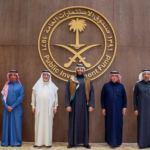
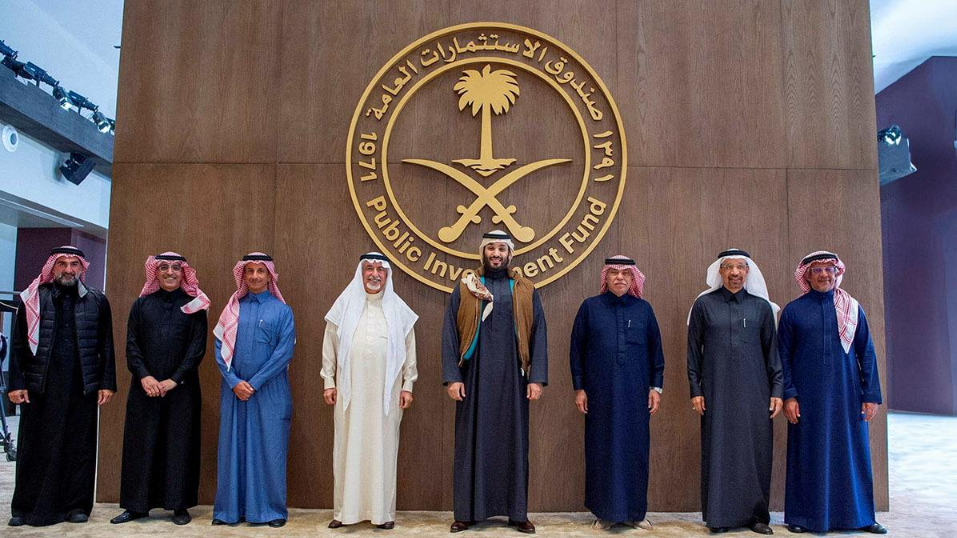
Saudi Arabia’s Public Investment Fund (PIF), one of the world’s largest sovereign wealth funds, is exploring new ways to finance its expanding portfolio as the kingdom confronts growing pressure to turn ambitious economic investments into sustainable financial returns. The fund, which manages more than $900 billion in assets, is considering alternatives that would allow its portfolio companies to raise capital without depending continuously on direct injections from their state-backed shareholder. The development marks an important stage in Saudi Arabia’s economic transformation, as the government seeks to balance its long-term diversification ambitions with tighter financial conditions, weaker regional capital markets and the substantial costs of developing new industries.
A New Financing Approach for Saudi Arabia’s Investment Ambitions
According to Reuters reporting published on November 10, the Public Investment Fund is examining several fundraising options, including securitising future cash flows from portfolio companies, selling minority stakes in established businesses and attracting additional investors into younger enterprises.
Securitisation would allow qualifying businesses to raise funds against anticipated future income, potentially providing financing without immediately selling ownership. Other approaches, including equity partnerships and asset disposals, could release capital tied up in existing investments and redirect it towards businesses requiring additional funding.
The discussions remain preliminary. No specific securitisation transaction, participating company or fundraising target has been publicly confirmed. PIF declined to comment directly on the reported discussions and instead referred Reuters to its broader investment strategy.
The significance extends beyond individual financing arrangements. Saudi Arabia has spent much of the past decade using sovereign capital to establish businesses, expand infrastructure and develop industries intended to reduce the country’s dependence on petroleum revenues. As those investments mature, the financial responsibility for supporting their expansion is increasingly expected to shift towards the companies themselves and the investors willing to finance them.
From State-Led Expansion to Financial Sustainability
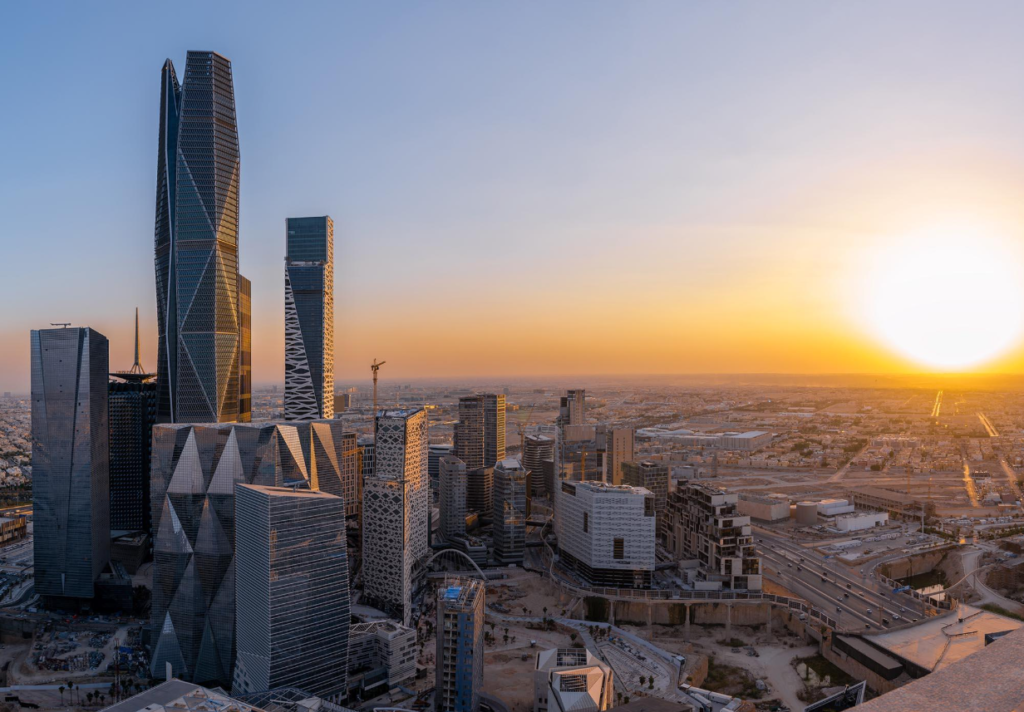
PIF has been a central institution in Saudi Arabia’s Vision 2030 programme, supporting investments in tourism, real estate, transportation, technology, entertainment and industrial development. Its portfolio includes projects designed to create new economic activity while strengthening the kingdom’s position as an international investment destination.
This strategy requires substantial initial spending. Large infrastructure developments can take years to generate meaningful operating income, while newer technology businesses may require repeated investment before reaching profitability. The resulting challenge is how to maintain expansion without concentrating an ever-growing financing burden on the sovereign wealth fund.
The fund’s 2026–2030 strategy places greater emphasis on realising investment value, diversifying financial returns and increasing participation from private investors and capital markets. This represents an evolution in its approach rather than an abandonment of its diversification objectives.
PIF’s reported annualised total shareholder return since 2017 declined from 7.2% at the end of 2024 to 5.8% at the end of 2025. Although long-term investment performance cannot be judged solely through a single reporting period, the decline highlights the importance of capital allocation and the timing of financial returns.
Tightening Financial Conditions Complicate the Strategy
The search for alternative financing comes as Saudi Arabia’s financial environment becomes more challenging. Domestic banks have faced increasing demands for credit, while higher loan-to-deposit ratios have raised concerns about the availability of funding for further economic expansion.
Regional equity markets have also provided a less favourable environment for initial public offerings. Weaker valuations and uncertain investor demand have limited the ability of some businesses to raise capital through public listings, increasing the importance of private transactions and alternative financing arrangements.
Broader economic pressures have added to these difficulties. Disruptions to oil activity, regional security concerns and weaker economic conditions have complicated investment planning, while Saudi Arabia continues to pursue a transformation that depends partly on attracting foreign capital.
For international investors, these conditions create a more demanding assessment of Saudi opportunities. Projects must increasingly demonstrate commercially credible revenue forecasts, manageable financing structures and a realistic path towards profitability. Strategic importance alone may not be sufficient to attract private investment on acceptable terms.
Asset Sales and Partnerships Offer a Possible Path Forward
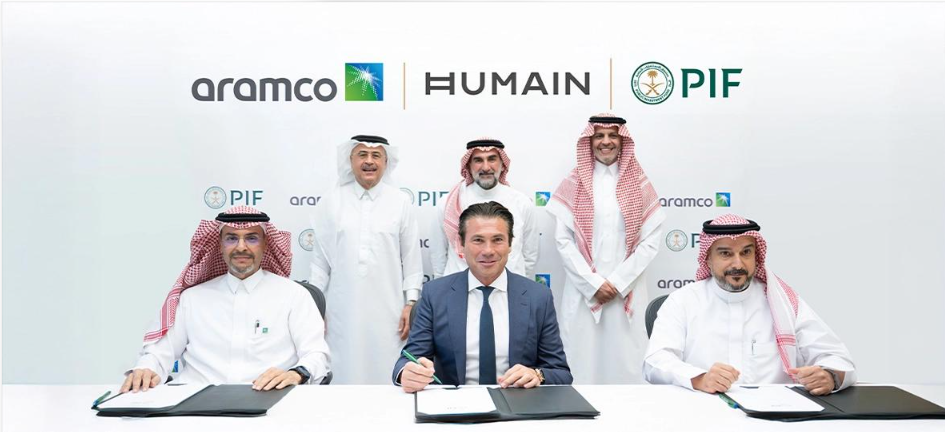
Recent transactions illustrate how Saudi Arabia is beginning to broaden the financing arrangements supporting its investment portfolio. This month, PIF completed the sale of a 49% stake in artificial intelligence company Humain to Saudi Aramco, which is expected to invest $2.6 billion in the business during 2026.
PIF retains control of Humain, allowing the company to pursue additional development with support from another major Saudi corporate investor. The arrangement demonstrates how capital can be mobilised through partnerships rather than relying exclusively on direct funding from the sovereign wealth fund.
Other developments include Kingdom Holding Company’s acquisition of a 70% stake in Saudi football club Al Hilal from PIF. The fund has also considered potential investment arrangements involving other portfolio assets, although reported discussions should not be confused with completed transactions.
These arrangements do not automatically indicate financial distress. Large investment institutions routinely sell assets, refinance obligations and introduce new shareholders to improve portfolio efficiency. Nevertheless, the terms of such transactions will determine whether PIF can release meaningful capital while preserving the strategic control it considers necessary.
International Capital Becomes Increasingly Important
Saudi Arabia’s financing strategy also has implications for international banks, infrastructure investors, private equity firms and multinational corporations. As PIF encourages portfolio companies to access external funding, opportunities could expand for institutions willing to finance commercially viable projects in the kingdom.
On November 3, PIF announced $3 billion-equivalent in credit facilities guaranteed by Italy’s export credit agency, SACE. The arrangement, supported by a syndicate of 25 international banks, includes dollar-denominated financing and a euro-denominated green tranche intended to support eligible environmental projects.
The transaction demonstrates how Saudi investment financing can also strengthen commercial relationships with overseas suppliers. For participating European businesses, such arrangements may create additional opportunities to supply equipment, technology and services to Saudi projects.
However, attracting private capital requires more than the availability of investment opportunities. Investors will examine corporate governance, financial transparency, shareholder rights and the ability of individual businesses to operate independently. Disagreements over valuations and ownership control, already reported in some preliminary discussions, could slow future transactions.
THE ABE TAKE
Saudi Arabia’s evolving financing strategy reflects a fundamental challenge facing state-led economic transformation: creating industries through public investment is different from building businesses capable of financing their own expansion. Sovereign capital can accelerate development, absorb early risks and support projects that private investors might initially avoid. But long-term economic diversification ultimately depends on whether those investments generate productive activity, sustainable revenue and returns that justify the capital committed.
For PIF, the next phase will test the quality of its portfolio as much as the scale of its financial resources. Businesses capable of attracting independent investors and securing financing on commercially reasonable terms will strengthen the fund’s capacity to recycle capital into new opportunities. Companies that remain dependent on repeated state support may require restructuring, slower expansion or a reassessment of their investment priorities.
The wider implications extend across the international investment community. Saudi Arabia remains an important source of capital and a potentially significant market for global businesses, but its investment relationships are becoming more complex. Foreign institutions may gain access to opportunities previously financed primarily by the state, while assuming greater responsibility for evaluating commercial risks.
The central question is no longer simply how much Saudi Arabia is willing to invest in its economic future. It is how effectively those investments can become financially sustainable enterprises. The answer will influence the credibility of Vision 2030, the future direction of sovereign wealth fund investing and the kingdom’s role in international capital markets.
ABE MAGAZINE
Understand More. Think Bigger.