








November 10, 2026 | By ABE Editorial Desk
The rapid expansion of the global weight-loss drug market is creating new commercial opportunities for pharmaceutical companies, but it is also raising concerns about the future availability of essential diabetes treatments. A new assessment from the Access to Medicine Foundation, released on November 10, warns that the industry’s increasing focus on lucrative obesity medicines could divert investment and manufacturing attention from insulin, a treatment millions of patients depend on. While medicines such as Ozempic, Wegovy and Mounjaro have transformed expectations for metabolic disease treatment, access to established diabetes therapies remains deeply unequal across international markets. The findings expose a growing challenge for pharmaceutical companies: how to pursue profitable medical innovation without weakening the supply of medicines that remain essential to public health.
A Growing Pharmaceutical Market Creates New Priorities
Weight-loss medicines have become an important area of pharmaceutical research and commercial expansion. Treatments based on glucagon-like peptide-1, or GLP-1, mechanisms have demonstrated significant clinical benefits for eligible patients, encouraging manufacturers to expand production, develop new formulations and seek regulatory approvals in additional markets.
Companies including Novo Nordisk and Eli Lilly have become major participants in this transformation. Their medicines serve patients with type 2 diabetes and obesity, although individual products have different approved indications. The commercial potential of these treatments has encouraged investment in manufacturing capacity, research programmes and international distribution.
However, the Access to Medicine Foundation’s latest analysis suggests that pharmaceutical innovation is becoming concentrated in areas offering substantial commercial returns. Among 25 diabetes research projects examined across six companies, 18 involve incretin or related metabolic hormone approaches, many associated with GLP-1 mechanisms.
The concentration reflects legitimate scientific advances, but it also raises questions about whether the industry’s research priorities adequately address patients whose treatment needs may offer less attractive financial returns.
Insulin Access Remains a Global Healthcare Challenge
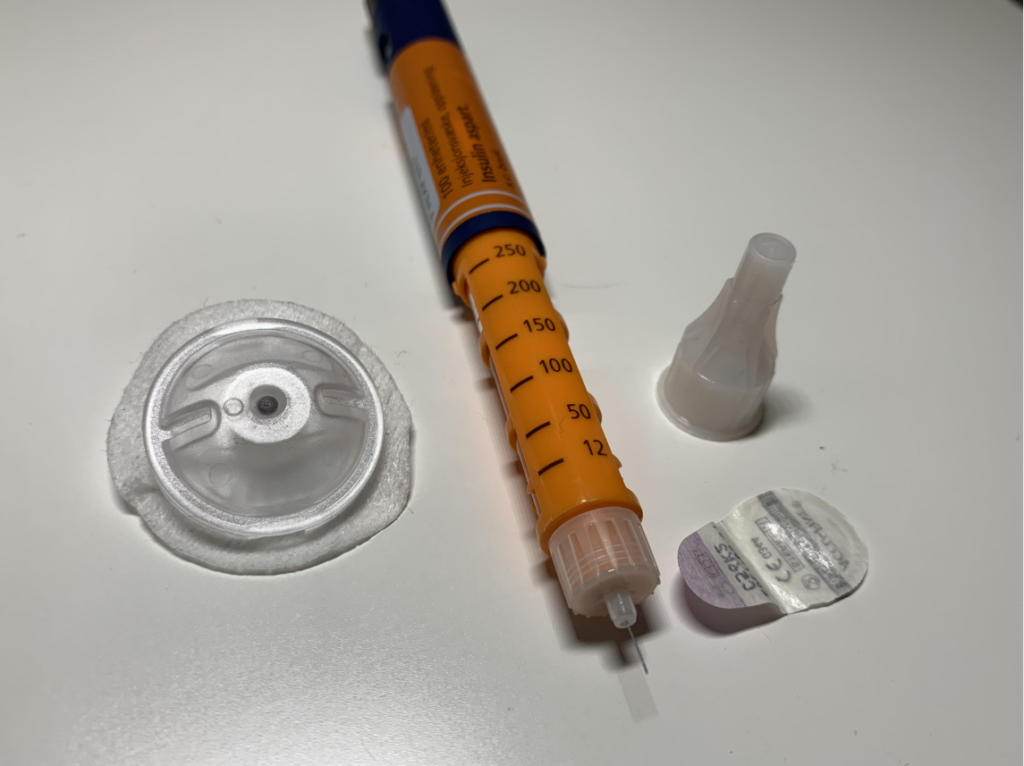
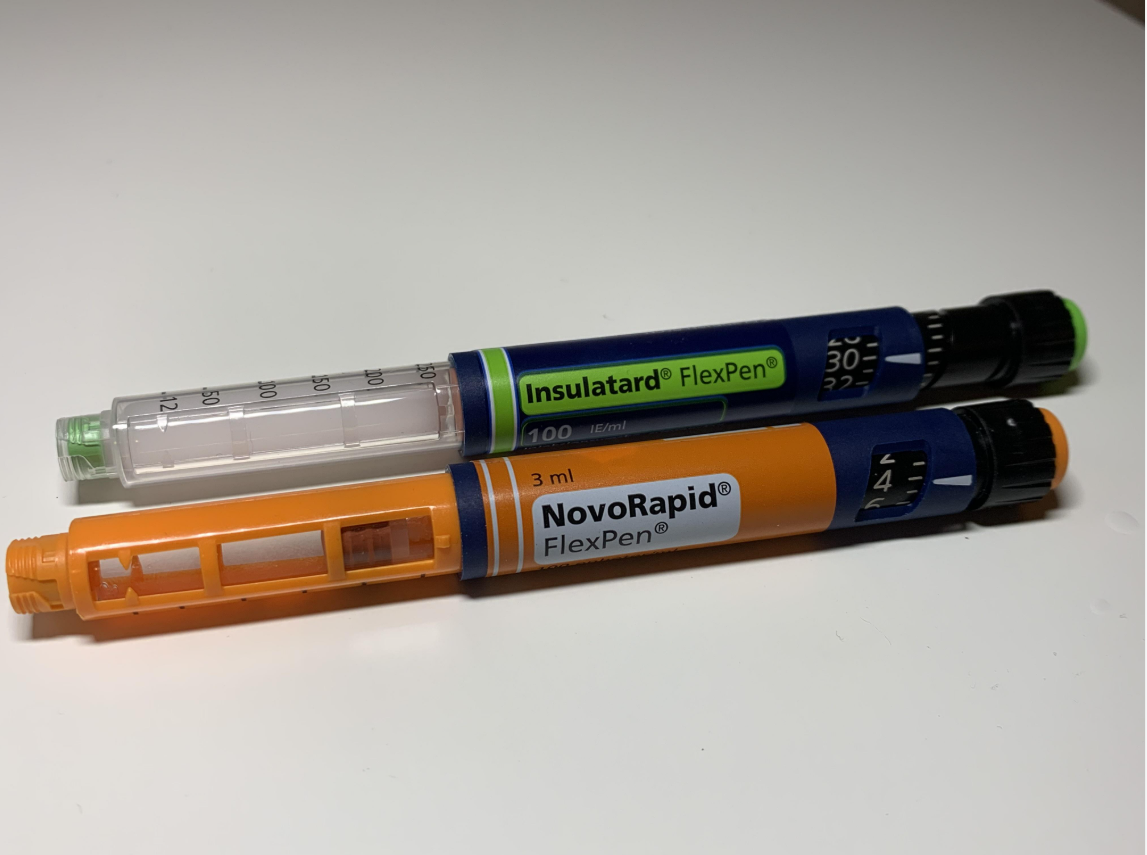
More than a century after insulin became available as a treatment for diabetes, reliable access remains a serious challenge in many lower-income countries. People with type 1 diabetes require insulin to survive, making interruptions in treatment potentially life-threatening.
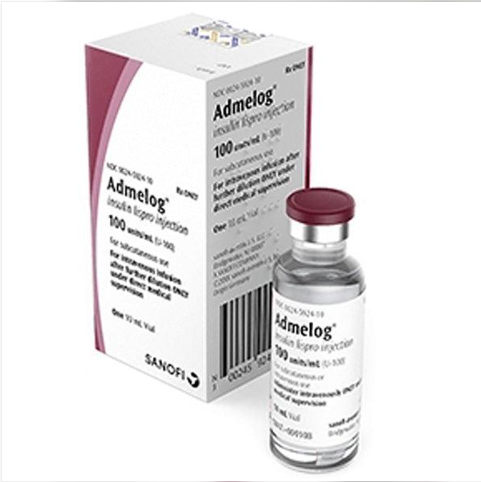
The Access to Medicine Foundation reports that Eli Lilly, Novo Nordisk and Sanofi collectively account for more than 90% of the global insulin market. Their manufacturing decisions, product portfolios and distribution strategies therefore carry significant implications for healthcare systems around the world.
The three companies have introduced programmes intended to improve access, including pricing initiatives, distribution partnerships and efforts to support regional manufacturing. Nevertheless, the Foundation found limited evidence demonstrating how consistently these initiatives translate into affordable treatment for patients across lower-resource markets.
The distinction between different insulin products is also important. Older human insulin formulations are generally more affordable and widely available in lower-income settings than newer insulin analogues. If manufacturers reduce older product lines without ensuring suitable alternatives, healthcare providers could face additional challenges maintaining treatment continuity.
The Foundation warns about this potential risk; its assessment does not establish that the obesity-drug boom has already caused a worldwide insulin shortage.
Research Investment Reveals an Uneven Balance
The latest findings also highlight differences in research priorities across types of diabetes. Of the 25 diabetes development projects examined, 10 target type 1 diabetes, while the larger research portfolio is increasingly concentrated on treatments associated with type 2 diabetes and metabolic health.
This does not mean that GLP-1 medicines lack medical value. Their development represents meaningful progress for many patients, including those managing obesity and related health conditions. The concern is whether the expansion of commercially attractive therapies is accompanied by sufficient investment in treatments for patients with fewer alternatives.
The Foundation found that 10 of 19 late-stage projects had access plans, but most concentrated primarily on preparing for regulatory registration in a limited number of countries. Only two of those plans included equitable pricing measures.
These findings illustrate a gap between developing new medicines and ensuring that patients can obtain them. Regulatory approval is an important step, but affordability, distribution, health-system capacity and dependable supply ultimately determine whether medical innovation improves public health.
For pharmaceutical manufacturers, access planning is therefore becoming an increasingly important measure of responsible commercial development.
Lower-Income Markets Face a Double Disadvantage
The International Diabetes Federation estimates that 589 million adults worldwide are living with diabetes, with approximately 81% residing in low- and middle-income countries. The concentration of disease burden in these markets creates significant demand for both established medicines and newer treatments.
Yet many healthcare systems face financial and logistical constraints that limit their ability to purchase and distribute medicines consistently. Patients may encounter high out-of-pocket costs, inadequate insurance coverage or interruptions in supply, particularly where treatment depends heavily on imported products.
New GLP-1 medicines remain difficult to obtain in many of these markets. Although manufacturers have introduced distribution initiatives in countries including India, Brazil and South Africa, access remains uneven and often concentrated in commercially attractive segments.
Generic competition may eventually improve affordability as patents expire and additional manufacturers enter the market. However, lower prices alone will not guarantee access where regulatory approvals, financing and distribution networks remain inadequate.
The resulting challenge is twofold: expanding access to newer therapies while protecting the supply of established medicines that millions of patients already depend upon.
Manufacturing Partnerships Offer Opportunities for Change
Regional pharmaceutical manufacturing could become an important part of the solution. The Foundation identifies initiatives involving Eli Lilly and Egypt’s EVA Pharma, alongside Novo Nordisk and South Africa’s Aspen Pharmacare, as examples of efforts to strengthen insulin production capabilities closer to underserved markets.
Such partnerships may reduce dependence on distant manufacturing facilities, improve supply security and create opportunities for pharmaceutical skills development. They could also strengthen regional healthcare industries by encouraging investment in production technology and regulatory expertise.
Nevertheless, manufacturing agreements should be evaluated through measurable outcomes rather than announcements alone. The number of patients reached, treatment affordability, production volumes and geographic distribution are essential indicators of whether these arrangements improve access.
Governments and international health organisations also have responsibilities. Procurement policies, regulatory coordination and investment in healthcare delivery systems can help translate manufacturing capacity into reliable treatment availability.
For pharmaceutical companies, the broader commercial opportunity is to develop sustainable business models that serve patients beyond the world’s wealthiest markets.
THE ABE TAKE
The weight-loss drug boom illustrates a fundamental tension within the pharmaceutical industry: the treatments generating the greatest commercial excitement are not necessarily those addressing the most urgent gaps in global healthcare. Innovation requires substantial investment, and profitable medicines can support future research. Yet an industry that concentrates too heavily on its most lucrative opportunities risks overlooking established treatments whose continued availability remains essential.
The Access to Medicine Foundation’s findings should not be interpreted as an argument against GLP-1 innovation. These medicines offer meaningful clinical benefits and could improve health outcomes for many patients. The more important question is whether pharmaceutical companies can expand into profitable markets while maintaining dependable access to treatments such as insulin, particularly in countries with limited healthcare resources.
For investors and policymakers, the issue also extends beyond corporate responsibility. A pharmaceutical company’s long-term value depends partly on manufacturing reliability, regulatory trust and its ability to serve diverse markets. Companies that neglect essential product portfolios may face reputational, operational and policy risks, even when newer medicines generate strong financial returns.
The next stage of pharmaceutical competition should therefore be measured by more than the commercial success of weight-loss medicines. Sustainable progress will require a balance between scientific innovation, affordable access and reliable supply. The industry’s ability to achieve that balance will help determine whether the current transformation in metabolic healthcare becomes a global public-health success or another example of medical advances reaching patients unequally.
ABE MAGAZINE
Understand More. Think Bigger.