





ABE MAGAZINE | CANADIAN ECONOMY & INDUSTRY
November 13, 2026
By ABE Editorial Desk
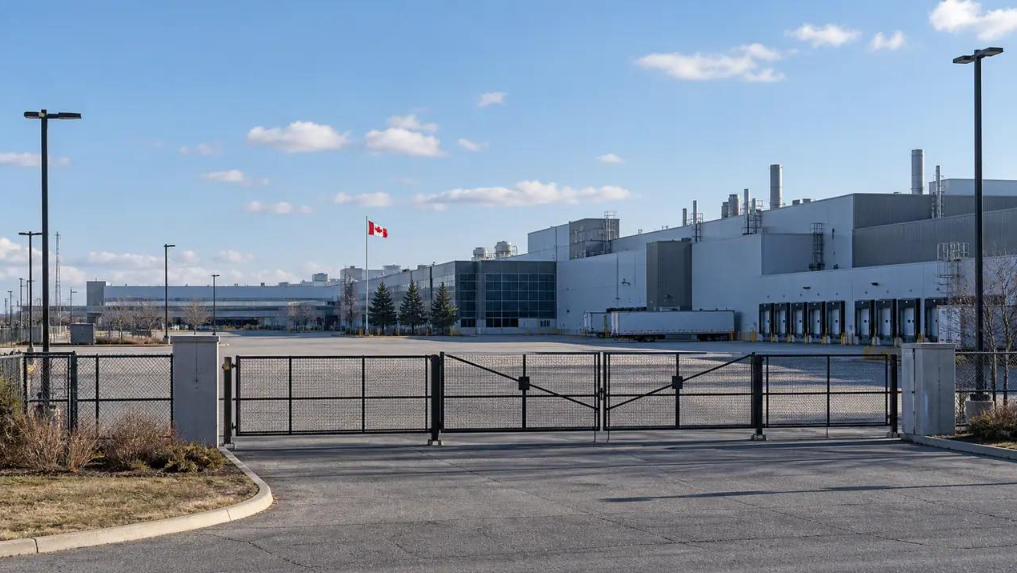
Canada is threatening legal action against Stellantis over the future of its Brampton assembly plant. The federal government has issued a formal notice of default, giving the automaker 30 days to address alleged breaches of a 2022 funding agreement. The warning follows Stellantis’s decision to move planned Jeep Compass production to Illinois and sell the Ontario facility to Canadian defence manufacturer Roshel. More than 2,000 workers have been affected by the plant’s prolonged shutdown. The dispute now raises difficult questions about public funding, corporate responsibility and Canada’s manufacturing future.
Ottawa Issues a 30-Day Warning
Industry Minister Mélanie Joly announced the government’s position on November 12, following discussions with Stellantis, labour representatives and Ontario officials.
Ottawa alleges that the automaker failed to meet several commitments tied to federal financial assistance. These include maintaining production at Brampton and identifying a replacement vehicle after abandoning the planned Jeep Compass programme.
The notice gives Stellantis 30 days to demonstrate how it intends to correct the alleged breaches. If the government remains dissatisfied, it could terminate the funding agreement and pursue repayment.
The potential financial consequences are substantial. Joly has indicated that Stellantis could face liabilities worth hundreds of millions of dollars.
However, no court has determined that the company breached its agreement. The notice represents the government’s formal legal position, not a completed lawsuit or final judgment.
The coming month could determine whether the dispute moves toward a negotiated settlement or a legal confrontation.
How the Brampton Plant Became a National Issue
The Brampton assembly plant has played an important role in Ontario’s automotive industry for decades.
Production stopped in December 2023 as Stellantis prepared to modernise the facility. The company had planned to introduce new vehicle production after retooling.
However, those plans changed. Stellantis paused work and later shifted the planned Jeep Compass programme to its Belvidere facility in Illinois.
The decision left the Brampton plant without a confirmed replacement vehicle.
More than 2,000 employees have been affected by the shutdown. Their uncertainty has continued as the company reassesses its North American manufacturing operations.
For Brampton, the issue extends beyond one factory. Automotive assembly supports suppliers, transportation companies and local businesses.
A prolonged shutdown can therefore affect employment and spending throughout the surrounding economy.
The plant’s future has become a wider test of Canada’s ability to retain major manufacturing investments.
Hundreds of Millions in Public Funding at Stake
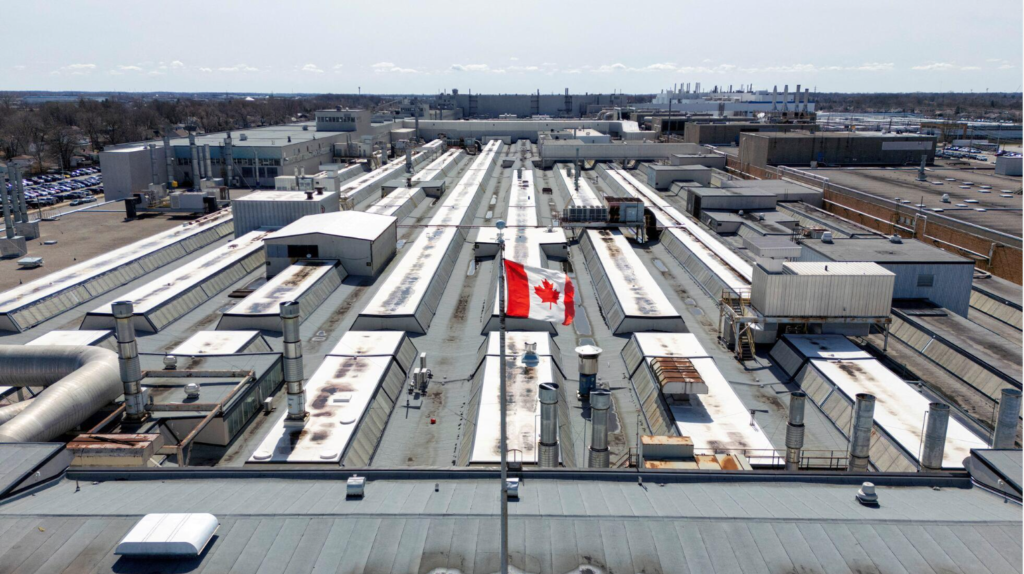
In 2022, Ottawa committed up to C$529 million to support Stellantis’s plans for the Brampton and Windsor facilities.
Ontario separately committed up to C$513 million.
The investments were intended to support factory modernisation and the production of electrified vehicles.
These figures represent funding commitments across the two facilities. They do not establish how much money Stellantis received specifically for Brampton.
The distinction matters because the amount potentially recoverable remains disputed.
Stellantis has indicated that it is prepared to return government support associated with Brampton’s original retooling plans. However, the company and authorities have not publicly agreed on a final repayment amount.
The government argues that financial obligations cannot simply disappear when a company changes its industrial strategy.
The dispute could influence future negotiations between governments and multinational manufacturers.
Public investment agreements increasingly require clear conditions, measurable outcomes and effective enforcement.
Roshel Offers a Different Industrial Future
On November 9, Stellantis and Canadian defence manufacturer Roshel announced an agreement for the sale of the Brampton plant.
Roshel intends to establish an advanced manufacturing centre focused on industrial and defence-related opportunities.
The companies are also exploring cooperation in vehicle technologies and related services.
Roshel has discussed possible civilian vehicle production with other automakers. However, no confirmed replacement vehicle programme has been announced.
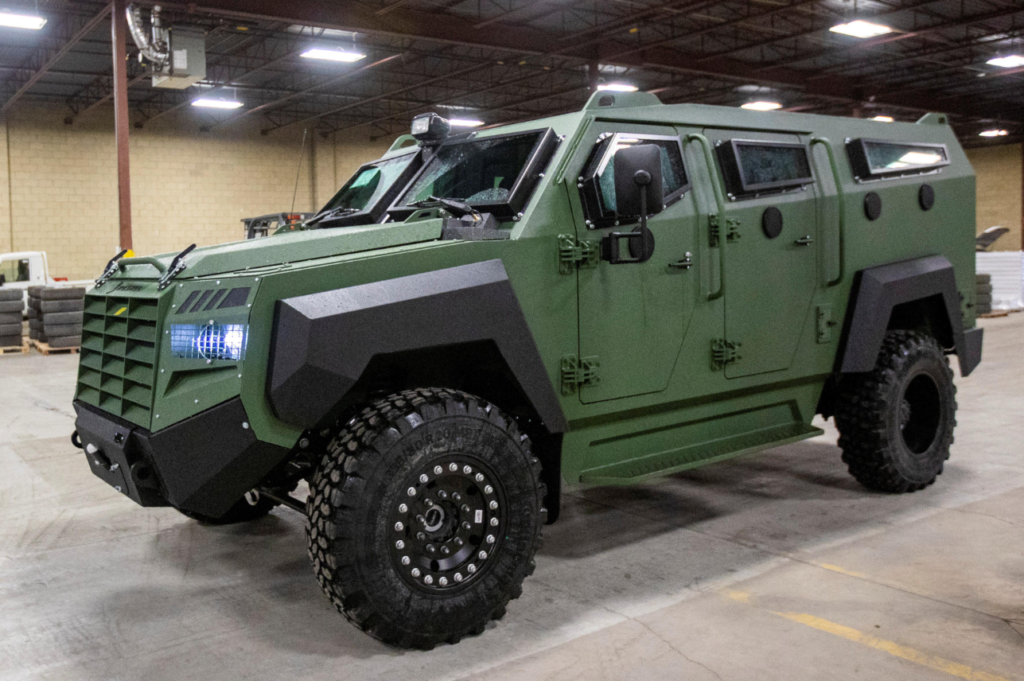
The transaction remains subject to closing conditions, including applicable regulatory requirements. Completion is expected by the end of 2026.
For supporters, the proposal offers a route to restore industrial activity at a facility that has remained idle for years.
However, defence vehicle manufacturing operates differently from large-scale automotive assembly.
Production volumes, supply chains and workforce requirements may differ significantly.
A new owner could create valuable employment, but that does not automatically replace the jobs associated with the previous automotive operation.
Workers Remain at the Centre of the Dispute
Unifor, the union representing Stellantis employees, has strongly criticised the proposed sale.
The union argues that Stellantis must honour its commitments to workers rather than transfer the facility and leave their future unresolved.
Stellantis says it recognises its obligations under collective agreements and applicable employment laws.
The company has also expressed willingness to negotiate a settlement with the union.
Roshel has indicated that former Stellantis employees could receive priority consideration for future opportunities. However, potential recruitment does not amount to a guarantee of equivalent employment.
The uncertainty matters for workers who built their careers around the plant.
Automotive assembly jobs often involve specialised skills, established wages and long-term benefits.
Moving into another manufacturing sector may require retraining or changes in working conditions.
Any lasting solution will need to address both industrial investment and the people affected by the transition.
Trump’s Trade Policies Add Pressure
The dispute is unfolding during a difficult period for North American automotive manufacturing.
United States trade policies have increased pressure on companies to reconsider where they manufacture vehicles.
President Donald Trump’s tariffs and efforts to encourage domestic production have complicated investment decisions across the industry.
Canada’s automotive sector remains deeply connected to the United States through integrated supply chains.
Vehicle components regularly cross the border during manufacturing. Changes in trade rules can therefore affect production costs and investment decisions on both sides.
Stellantis’s decision to move planned Jeep production to Illinois illustrates the growing competition for manufacturing activity.
However, trade pressures do not settle the separate question of contractual obligations.
Governments must determine how to protect public investments while recognising that companies operate in changing commercial conditions.
The outcome could shape Canada’s approach to future automotive subsidies.
THE ABE TAKE
The Stellantis dispute exposes a central challenge in modern industrial policy. Governments invest public money to attract factories, protect employment and strengthen domestic manufacturing. Yet multinational companies retain considerable flexibility over where they allocate production.
Canada has a legitimate interest in ensuring that public funding produces the benefits promised under its agreements. At the same time, any legal action must establish what Stellantis was contractually required to deliver.
The Roshel proposal could provide a productive future for the Brampton facility. However, a new industrial project should not automatically be treated as a complete replacement for thousands of established automotive jobs.
The government must now pursue three objectives: enforce valid funding conditions, protect affected workers and encourage sustainable manufacturing investment.
The broader lesson extends beyond Brampton. Industrial subsidies should include transparent obligations, realistic performance measures and clear consequences when commitments are not fulfilled.
Canada’s manufacturing future will depend on more than attracting investment announcements. It will depend on ensuring that those investments deliver lasting economic value.
ABE MAGAZINE
Understand More. Think Bigger.