






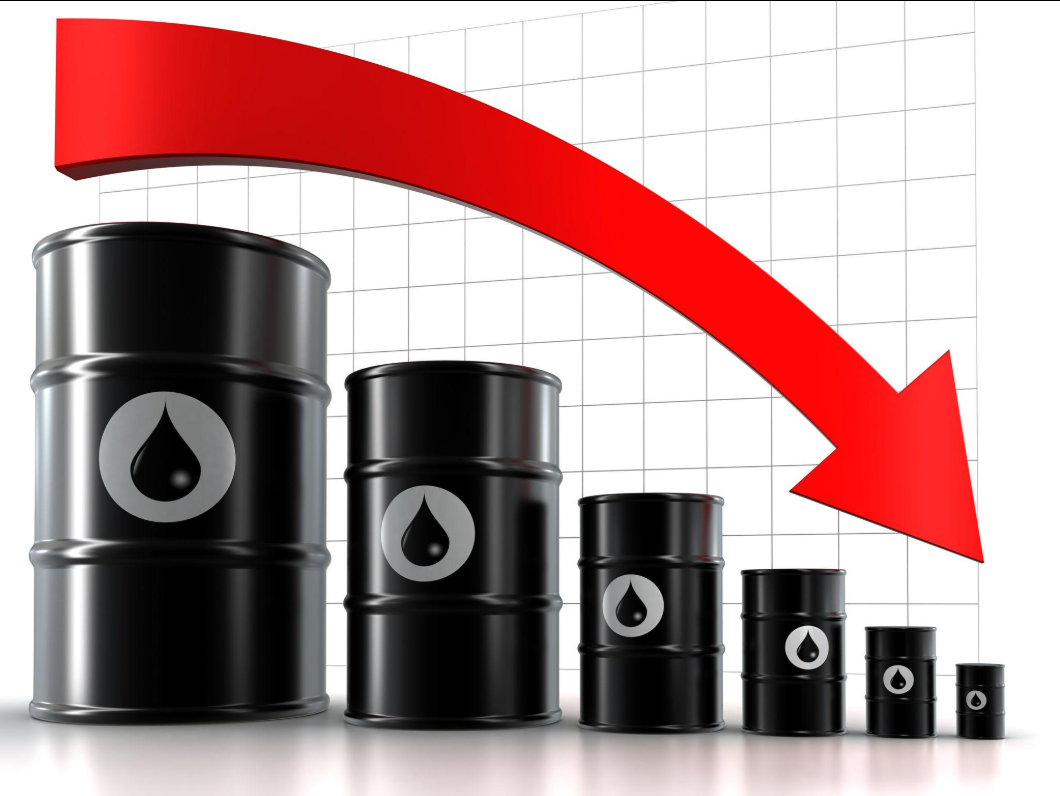
Oil prices dropped sharply on Monday as investors reacted to signs that tensions between the United States and Iran could ease.
U.S. West Texas Intermediate oil fell by about 6% and dropped below $80 per barrel. The move came after President Donald Trump announced a temporary pause in U.S. military strikes on Iran.
What Happened?
Oil prices can rise quickly when there is fighting or political tension in major oil-producing regions.
Investors worry that conflict could interrupt the world’s oil supply.
But when the risk of conflict becomes lower, those fears can decrease — and oil prices can fall.
The latest developments have given markets some hope that the situation may calm down, although uncertainty remains.
Why Does This Matter?
Oil is not just about filling up your car.
Oil prices can affect:
⛽ Gas prices — Cheaper oil can eventually help lower prices at the pump.
✈️ Travel — Airlines spend billions on fuel, so lower prices can reduce some of their costs.
🚚 Shipping — Trucks and other transportation companies also depend heavily on fuel.
🛒 Everyday prices — Transportation costs are built into the price of many products we buy.
So when oil makes a big move, the effects can eventually reach ordinary consumers.
What Is Happening in the Stock Market?
Investors also started Monday in a more positive mood.
Before the market opened, futures linked to the Dow Jones Industrial Average were up around 1.1%, while S&P 500 futures gained roughly 0.6% and Nasdaq futures were up approximately 0.2%.
Investors will now be watching several major companies reporting earnings this week, as well as upcoming economic information.
The Bigger Picture
The important thing to watch is whether lower oil prices last.
If tensions increase again, oil could quickly move higher. If the situation continues to calm down, lower energy prices could provide some relief to businesses and consumers.
ABE NEWS TAKEAWAY
Oil prices are falling because investors currently see less risk of an immediate escalation involving Iran.
That could be good news for transportation costs, businesses and consumers — but the situation can change quickly.
Business. Money. Style. The News.
Explained in 3 Minutes.