







ABE MAGAZINE | BUSINESS • LUXURY & GLOBAL ECONOMY
October 12, 2026
Why can a handbag command thousands of dollars, a watch cost more than a car, and a fashion house maintain extraordinary pricing power for generations? Behind the world’s most prestigious luxury brands lies a sophisticated economic system built on scarcity, craftsmanship, cultural influence and the careful management of consumer desire. But as prices rise and global demand weakens, that system is facing one of its most important tests.
The Business of Selling What Money Cannot Easily Buy
In the luxury boutiques of Paris, Milan and New York, the price of a product often tells only part of its story. A leather handbag may cost several thousand dollars, even though its raw materials account for only a fraction of the retail price. A mechanical watch can command a sum that bears little relationship to its basic function of telling time. Customers are not simply purchasing an object; they are buying craftsmanship, reputation, exclusivity and the social meaning associated with owning something that relatively few people possess.
This distinction is central to understanding the economics of luxury. In most consumer markets, companies compete by offering better products at more attractive prices. Luxury brands operate under a different set of incentives, where higher prices can reinforce perceptions of desirability and wider availability can sometimes weaken a product’s appeal. A successful luxury company must therefore manage a difficult contradiction: it needs to generate revenue and expand internationally while protecting the sense of rarity that helps justify its prices.
For decades, companies such as Louis Vuitton, Hermès, Chanel and Gucci have demonstrated how powerful this business model can become. Their products are sold across continents, their names carry considerable cultural influence, and their parent companies have attracted significant investor interest. Yet the luxury industry’s recent financial performance suggests that its ability to raise prices and expand indefinitely is far from guaranteed.
According to Bain & Company and Italy’s Altagamma association, worldwide spending across the broad luxury market reached approximately €1.44 trillion in 2025. Within that total, personal luxury goods—including fashion, leather goods, watches and jewellery—accounted for approximately €358 billion. The distinction matters because the broader luxury economy includes experiences and services, while the personal luxury goods market more directly reflects demand for the products associated with leading fashion houses.
The industry’s scale is impressive, but its economic foundations are more complicated than the polished storefronts suggest. Understanding how luxury brands make money requires examining the relationship between production, pricing, distribution, cultural influence and the psychology of consumers who are willing to pay substantial premiums for products that are often not essential.
Why Luxury Prices Are So Different From Ordinary Prices
The price of an ordinary consumer product is influenced by manufacturing costs, competition, distribution expenses and the profit a company expects to earn. Luxury brands face many of these same considerations, but their pricing strategies place far greater emphasis on perceived value. Customers may be willing to pay significantly more for an item because of its design, heritage, craftsmanship, limited availability or association with a particular social identity.
Economists describe part of this behaviour through the concept of Veblen goods, named after economist Thorstein Veblen. In certain circumstances, a higher price can make a product more desirable because it signals exclusivity or status. This does not mean every luxury product behaves as a Veblen good, or that demand always rises when prices increase. Rather, it helps explain why luxury brands sometimes possess pricing power that would be difficult to sustain in ordinary retail markets.
Consider two handbags made from comparable materials. One may be sold by an unfamiliar manufacturer, while the other carries the name of a prestigious fashion house with decades of history. Even when the difference in production cost is relatively modest, the difference in retail price can be enormous. The premium reflects intangible assets such as brand recognition, design identity, marketing investment, customer trust and the belief that the product will retain cultural relevance.
This creates an unusual economic advantage. A luxury brand does not necessarily need to sell the largest number of products to generate substantial profits. Instead, it can focus on maintaining a high average selling price and encouraging customers to associate ownership with exceptional value. However, the strategy works only while consumers believe the premium is justified. If prices rise faster than perceived quality, creativity or exclusivity, the relationship between the brand and its customers can begin to deteriorate.
How Hermès Turned Scarcity Into Financial Strength
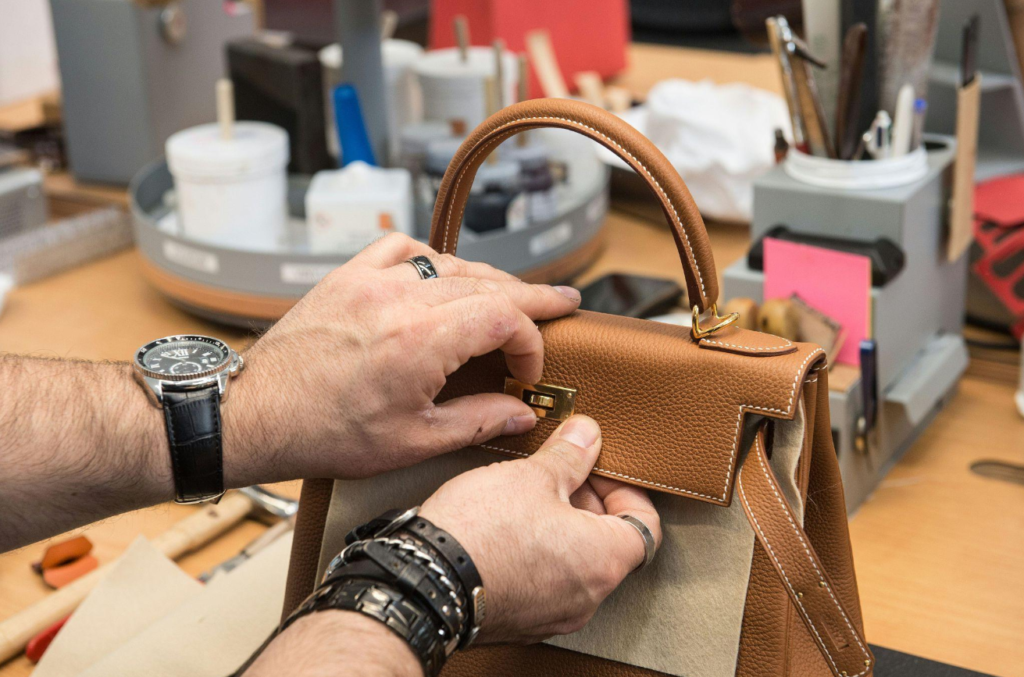
Few companies illustrate the economics of controlled supply more clearly than Hermès. The French luxury house has built its reputation around leather craftsmanship, long-standing design traditions and products whose availability is deliberately shaped by production capacity and selective distribution. Its best-known handbags have become symbols of exclusivity, although the company also generates revenue from ready-to-wear clothing, silk, jewellery, watches, fragrances and other categories.
Hermès differs from luxury businesses that rely heavily on rapid product expansion or aggressive promotional campaigns. Its operating model places considerable emphasis on training artisans, maintaining production expertise and controlling how its products reach customers. Expanding output requires investment in skilled workers and manufacturing facilities, which limits how quickly certain product categories can grow without compromising the company’s standards.
The financial results demonstrate the strength of this approach. In 2025, Hermès generated approximately €16 billion in revenue, representing growth of 9% at constant exchange rates. Its recurring operating income reached approximately €6.6 billion, producing an operating margin of about 41%. Such profitability is remarkable for a company whose products involve physical manufacturing, retail operations and significant investment in craftsmanship.
These figures do not mean that every Hermès product is scarce or that scarcity alone explains the company’s performance. The brand’s financial strength also depends on loyal customers, a broad international presence, consistent design identity and disciplined management. Nevertheless, Hermès demonstrates how a luxury business can benefit from prioritizing long-term desirability over the pursuit of maximum short-term sales volume.
Its success also reveals an important distinction between genuine production constraints and artificial scarcity. When availability reflects specialized craftsmanship and limited manufacturing capacity, customers may perceive scarcity as evidence of quality and exclusivity. When restrictions appear primarily designed to manipulate demand, the same strategy can create frustration and damage trust.
The Power of Owning the Customer Relationship
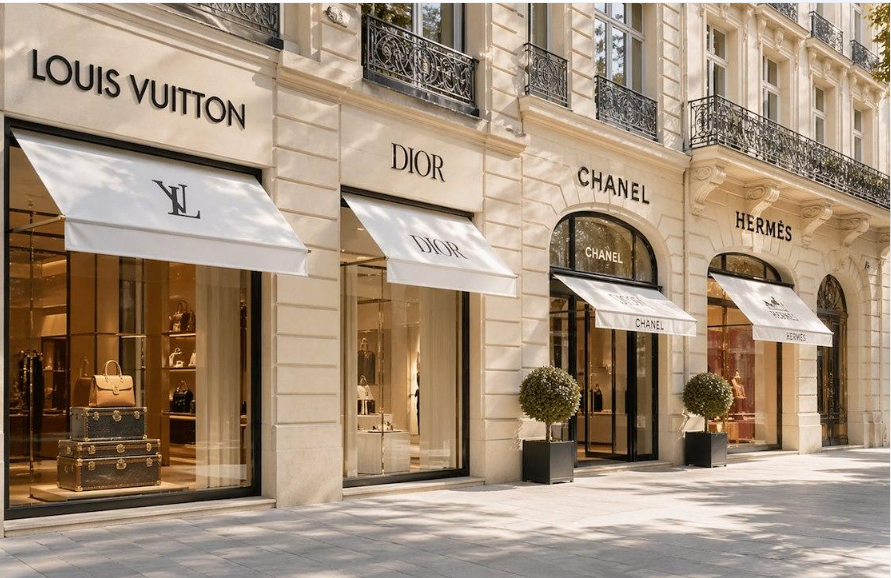
Luxury companies do not simply control what they manufacture. Many also seek extensive control over where, how and by whom their products are sold. This approach is particularly visible among major fashion houses that operate networks of directly managed boutiques in prestigious shopping districts around the world.
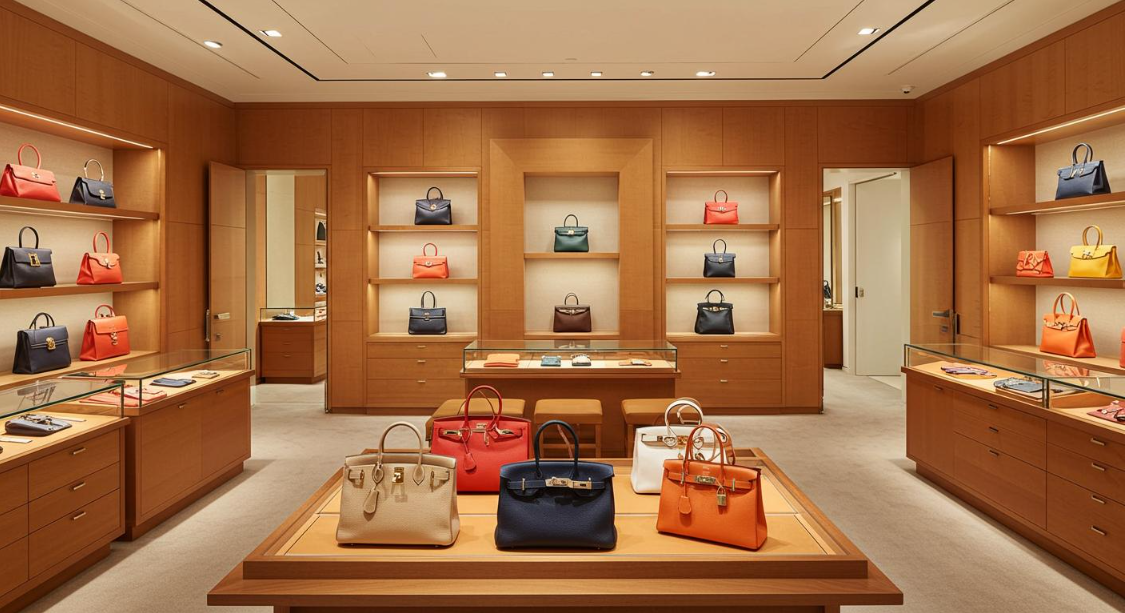
For a conventional manufacturer, selling products through independent retailers can provide rapid market access without the expense of operating stores. Luxury companies often accept higher operating costs in exchange for greater control over presentation, pricing, customer service and brand identity. A boutique on a prominent shopping street is therefore more than a sales outlet. It is part of the product’s perceived value, designed to reinforce the company’s reputation and the experience associated with purchasing from it.
LVMH, the French group that owns Louis Vuitton, Dior, Fendi and numerous other businesses, identifies control over distribution as a central strategic priority. Its 2025 corporate reporting described how directly managed retail networks help preserve margins, maintain the customer experience and provide closer relationships with buyers. At the end of that year, its fashion and leather goods businesses operated approximately 2,300 exclusive boutiques internationally.
This level of control gives luxury companies advantages that extend beyond presentation. They can collect information about customer preferences, maintain more consistent pricing policies and reduce dependence on third-party retailers. They can also limit discounting, which is particularly important in a market where widespread price reductions may weaken perceptions of exclusivity.
However, operating prestigious retail locations is expensive. Prime shopping streets command high rents, while stores require skilled employees, security, inventory and continuous investment in design. When sales weaken, these fixed costs can become a significant burden. The same distribution network that strengthens a brand during periods of growth can place pressure on profitability during a downturn.
Why Brand Heritage Has Become an Economic Asset
Luxury companies frequently emphasize the dates of their founding, the traditions of their workshops and the historical figures associated with their products. These stories are not merely decorative elements of advertising. They help establish credibility in a market where consumers often struggle to evaluate the difference between genuine craftsmanship and sophisticated marketing.
A fashion house with a recognizable design language and a long history can make its products appear more enduring than those of a newly established competitor. Customers may believe that an established brand offers continuity, prestige and a stronger connection to cultural history. This perception can support higher prices and encourage repeat purchases, particularly among consumers who view luxury products as expressions of personal identity.
Heritage also creates barriers to competition. A new company can purchase expensive materials, hire skilled designers and open an attractive store, but it cannot instantly reproduce generations of public recognition. Building a comparable reputation requires time, consistent execution and substantial investment. Even then, there is no guarantee that consumers will accept a new entrant as belonging to the same category as an established luxury house.
Yet heritage alone is insufficient. Brands that depend excessively on their history risk becoming disconnected from contemporary tastes, while those that change direction too frequently can weaken the identity that made them distinctive. Successful luxury management requires balancing continuity with creative renewal, ensuring that a company’s history remains commercially relevant without preventing innovation.
The Financial Divide Between LVMH, Hermès and Kering
The luxury industry is often discussed as though its leading companies share similar economics, but their recent results reveal substantial differences. LVMH benefits from a diversified portfolio spanning fashion, leather goods, jewellery, cosmetics, selective retailing and wines and spirits. Hermès operates with a more concentrated identity and unusually high profitability, while Kering has faced significant challenges in restoring momentum at some of its most important brands.
LVMH reported revenue of approximately €80.8 billion in 2025, down from €84.7 billion in 2024. Profit from recurring operations fell to approximately €17.8 billion, with an operating margin of 22%. Its fashion and leather goods division remained central to the group, generating approximately €37.8 billion in annual revenue, although sales in that division declined from the previous year.
Hermès, by contrast, continued to expand, with revenue reaching approximately €16 billion and an operating margin of 41%. The comparison does not establish that one company’s strategy is universally superior, since the groups differ in size, product mix and corporate structure. It does, however, demonstrate that the strength of an individual brand’s desirability can matter more than the overall size of the business behind it.
Kering’s performance revealed a more difficult picture. The group reported revenue of approximately €14.7 billion in 2025, a decline of 13% on a reported basis. Its recurring operating income fell to approximately €1.6 billion, while Gucci—one of its most important brands—generated around €6 billion in revenue, down 22% as reported. These results illustrated how quickly financial performance can deteriorate when a major luxury brand struggles to maintain consumer enthusiasm.
The differences among these companies challenge the assumption that luxury demand is automatically resilient. Wealthy consumers may have considerable spending power, but they still make choices about which brands deserve their money. In an industry built on perception, changes in cultural relevance and customer confidence can have significant financial consequences.
When Higher Prices Begin to Damage Demand
For years, rising prices helped luxury companies increase revenue without relying entirely on selling more products. During periods of strong demand, this strategy supported profitability and reinforced perceptions of exclusivity. However, the industry’s recent slowdown suggests that price increases have begun to exceed what some consumers consider reasonable, particularly when higher costs are not accompanied by convincing improvements in design, quality or customer experience.
McKinsey’s research into the luxury industry found that price increases accounted for more than 80% of growth between 2019 and 2023, while growth in the number of products sold was much more modest. This distinction is important because revenue growth driven primarily by pricing can conceal weakening demand. A company may initially report higher sales even as fewer customers purchase its products, but that strategy becomes increasingly difficult to sustain when buyers begin questioning the value they receive.
Bain’s research provides evidence of this pressure. The estimated global luxury consumer base declined from approximately 400 million people in 2022 to around 340 million in 2025. Some customers reduced their purchases, while others shifted toward less expensive brands, secondhand products or experiences such as travel and hospitality. The decline suggests that luxury’s efforts to move further upmarket have come with a commercial cost: the industry has become increasingly dependent on a smaller group of affluent consumers.
The challenge is particularly difficult because lowering prices can be as risky as raising them. A luxury house that introduces substantial discounts may attract short-term sales but weaken the exclusivity associated with its products. Companies must therefore find ways to restore customer interest through creativity, craftsmanship, service and product relevance rather than relying exclusively on price adjustments.
China’s Changing Role in the Luxury Economy
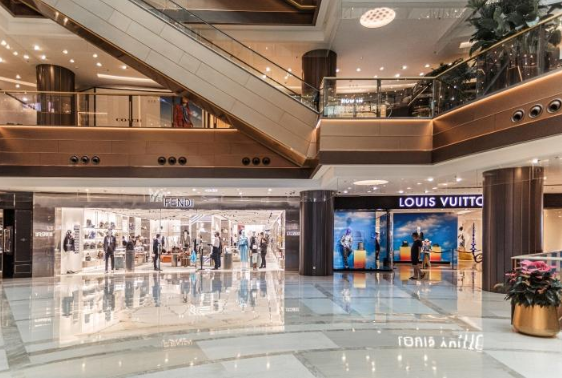
China has been one of the most important sources of growth for international luxury companies over the past two decades. Rising household wealth, urbanization and expanding demand for internationally recognized brands helped transform the country into a major market for fashion, watches, jewellery and premium consumer goods. Chinese shoppers also contributed significantly to luxury sales outside mainland China, particularly through purchases made while travelling internationally.
That growth has become less predictable. Weakness in China’s property market, changes in consumer confidence and more cautious spending have placed pressure on luxury demand. Some consumers have become more selective, favouring products they believe offer lasting quality or stronger value. Others have reduced discretionary purchases altogether, challenging companies that had become accustomed to sustained expansion in the Chinese market.
In October 2026, the industry faced an additional source of uncertainty as Chinese authorities intensified tax enforcement affecting wealthy individuals with offshore financial arrangements. Reuters reported on October 9 that the measures were adding pressure to luxury businesses already confronting weaker American spending and broader geopolitical uncertainty. The concern was not simply that affluent consumers had lost purchasing power, but that financial uncertainty could make them more reluctant to commit to expensive discretionary purchases.
China’s importance to luxury remains substantial, and a slowdown does not mean that Chinese consumers have permanently abandoned international brands. Nevertheless, the market has become a reminder that luxury demand is influenced by economic confidence, regulation and changing cultural preferences. Companies that depend too heavily on one country or customer group can find themselves exposed when those conditions change.
The Rise of Quiet Luxury and the Search for Lasting Value
The industry’s difficulties have coincided with a shift in how some affluent consumers express status. Rather than favouring highly visible logos and instantly recognizable designs, certain buyers have shown greater interest in understated clothing, discreet craftsmanship and products whose value is understood primarily by people familiar with the brand. This preference is often described as quiet luxury, although it represents only one part of a diverse and changing market.
Brands such as Loro Piana and Brunello Cucinelli have benefited from associations with refined materials, restrained design and long-term wardrobe value. Their appeal illustrates how luxury can be communicated through quality and cultural knowledge rather than obvious branding. For consumers seeking discretion, the absence of a prominent logo may itself become a form of distinction.
However, understated design does not automatically make a product more valuable or better manufactured. Quiet luxury can become a marketing category like any other, with companies charging substantial premiums for products whose quality must still be judged individually. The wider significance of the trend lies in its challenge to the assumption that luxury consumers always want their purchases to be immediately recognizable.
The growing popularity of resale also reflects changing attitudes toward value. Bain’s 2026 research indicated that approximately half of luxury shoppers consult the secondhand market before purchasing new products. This behaviour suggests that customers are paying closer attention to durability, resale prices and whether an item will remain desirable beyond a single fashion season.
Why Luxury Brands Cannot Ignore Their Customers
The luxury industry’s commercial model depends on a delicate relationship between exclusivity and accessibility. Brands must maintain enough distinction to justify premium prices, but they also need a sufficiently broad customer base to support their operations and future growth. If products become inaccessible to too many aspiring buyers, companies risk weakening the pipeline of customers who may eventually become more valuable long-term clients.
This tension is especially important for younger consumers. A person who begins purchasing smaller luxury items may develop a relationship with a brand that continues as their income increases. Fragrances, accessories and other entry-level products can therefore serve a strategic purpose beyond their immediate sales contribution. They allow companies to introduce customers to their identity without requiring the financial commitment associated with expensive handbags or jewellery.
Yet brands must manage these entry points carefully. Expanding too aggressively into lower-priced categories can dilute exclusivity, while abandoning aspirational consumers can narrow the customer base excessively. The most successful companies are likely to be those that maintain a coherent identity across different products while ensuring that each category delivers value appropriate to its price.
The industry’s future will depend partly on rebuilding trust. Customers who believe they are paying more without receiving better quality, originality or service may become less willing to support established brands. Restoring that relationship requires investment in products and experiences that make the premium feel justified, rather than assuming that historical prestige alone will sustain demand.
The Future of the Luxury Business Model
The global luxury industry is entering a period in which its traditional sources of growth are being reconsidered. Rising prices, international expansion and increasing demand from emerging wealthy consumers helped generate substantial profits for many years. Those forces have not disappeared, but their effectiveness has become less certain as economic conditions change and consumers become more selective.
Bain and Altagamma’s June 2026 outlook projected growth of approximately 2% to 4% in personal luxury goods spending for the year, following a difficult period for the industry. That forecast suggested stabilization rather than a return to the rapid expansion experienced during the post-pandemic recovery. The performance of individual companies is also likely to remain uneven, reflecting differences in brand strength, product relevance and exposure to particular markets.
For investors, the central question is whether luxury companies can maintain their pricing power while restoring demand. High operating margins remain attractive, but those margins depend on continued consumer willingness to pay substantial premiums. Companies with strong balance sheets, disciplined distribution and distinctive products may be better positioned to navigate uncertainty than those relying heavily on aggressive pricing or frequent changes in creative direction.
For consumers, the adjustment may create a more competitive market in which brands must work harder to justify their prices. Craftsmanship, service, authenticity and product longevity could become increasingly important as buyers compare luxury purchases with alternative uses of their money.
The industry’s future is therefore unlikely to be determined by which company can charge the highest price. It will depend on which brands can maintain a convincing relationship between what they offer, what they represent and what customers believe those qualities are worth.
THE ABE TAKE
The world’s luxury brands have built extraordinary businesses by understanding something that conventional economic models do not always capture: consumers do not evaluate every purchase solely according to its practical usefulness. Identity, aspiration, cultural meaning and emotional satisfaction can influence demand as strongly as physical quality. Luxury companies have turned these intangible qualities into valuable commercial assets, supported by disciplined distribution, recognizable design and decades of brand development.
But the industry’s recent slowdown exposes the limits of that strategy. Exclusivity cannot compensate indefinitely for weak creativity, disappointing quality or prices that customers no longer consider reasonable. When a company becomes overly dependent on its reputation, it risks forgetting that reputation must be continuously earned. The financial contrast between Hermès, LVMH and Kering demonstrates that even established luxury businesses can experience very different outcomes when consumer preferences change.
There is also a broader lesson for businesses outside the luxury sector. Strong brands can create pricing power, but pricing power should not be confused with unlimited customer loyalty. A company may persuade consumers to pay more for a product because it offers something distinctive, yet that premium becomes vulnerable when the distinction begins to disappear.
The real economic strength of a luxury brand is not its ability to charge an extraordinary price. It is its ability to persuade customers, year after year, that the price represents extraordinary value.
The luxury industry has spent decades perfecting the business of desire. Its next chapter will depend on whether it can reconnect that desire with substance, craftsmanship and trust. The brands that succeed will not necessarily be those with the largest advertising budgets or the most expensive products, but those that understand why their customers valued them in the first place.
ABE MAGAZINE
Understand More. Think Bigger.