






ABE MAGAZINE | BUSINESS & RETAIL
October 14, 2026
Luxury’s biggest names are facing weaker demand, more cautious consumers and growing doubts about their pricing strategies. As billions disappear from stock-market valuations, the industry is confronting a fundamental question: what makes a luxury brand worth its price?
The End of an Era of Easy Growth
For years, the global luxury industry appeared unusually resistant to economic uncertainty. Its most powerful companies expanded across international markets, raised prices and attracted consumers who viewed expensive handbags, watches and clothing as symbols of achievement. But the economic environment that supported that growth has changed, and some of the world’s most recognizable brands are struggling to maintain their momentum.
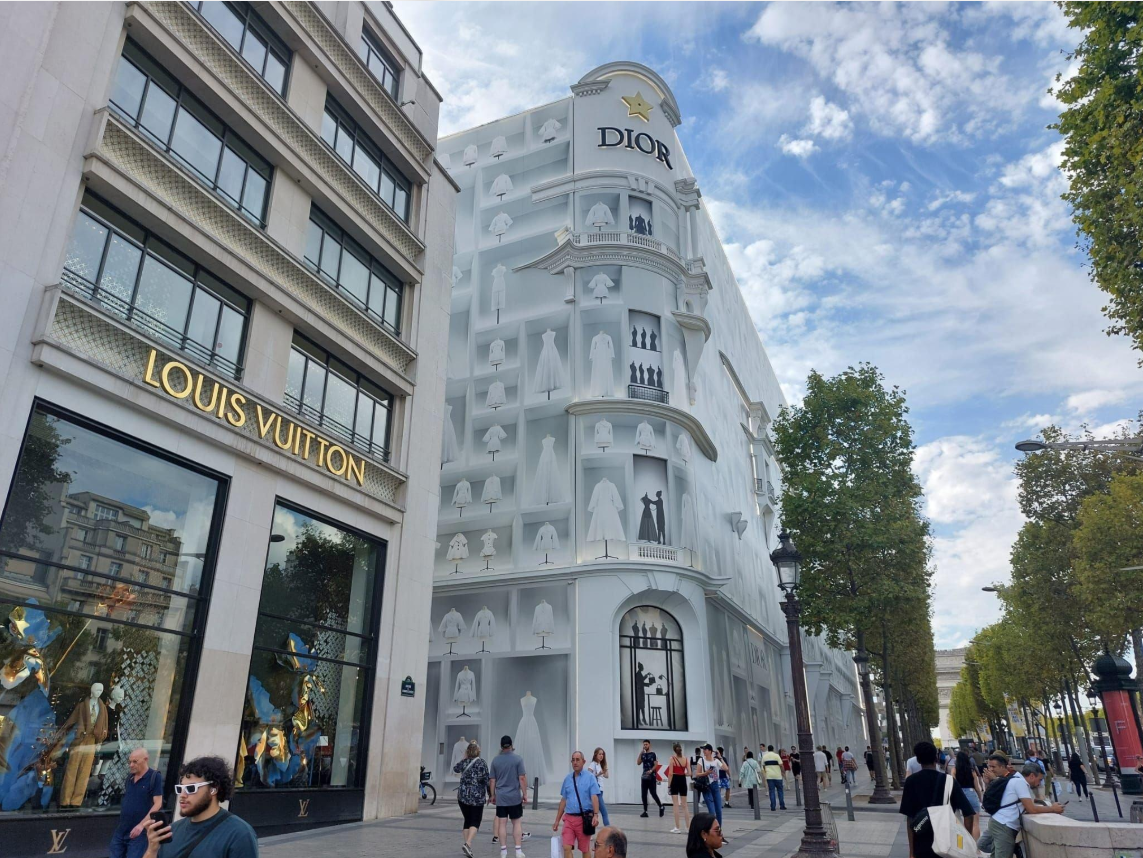
The shift became especially visible this week. On October 12, LVMH, the French group behind Louis Vuitton and Christian Dior, reported third-quarter revenue of €18.28 billion, representing organic growth of just 1%. More importantly, sales in its fashion and leather goods division declined 5%, substantially worse than analysts had expected. The results reinforced concerns that demand for expensive fashion products remains fragile.
Investors have already responded to the industry’s difficulties. According to Reuters, the ten European luxury companies tracked by the STOXX Europe Luxury 10 index have collectively lost approximately $350 billion in stock-market value since the beginning of 2026. The decline reflects reduced confidence in the sector’s growth prospects rather than an equivalent disappearance of consumer spending.
China Is No Longer a Guaranteed Growth Engine
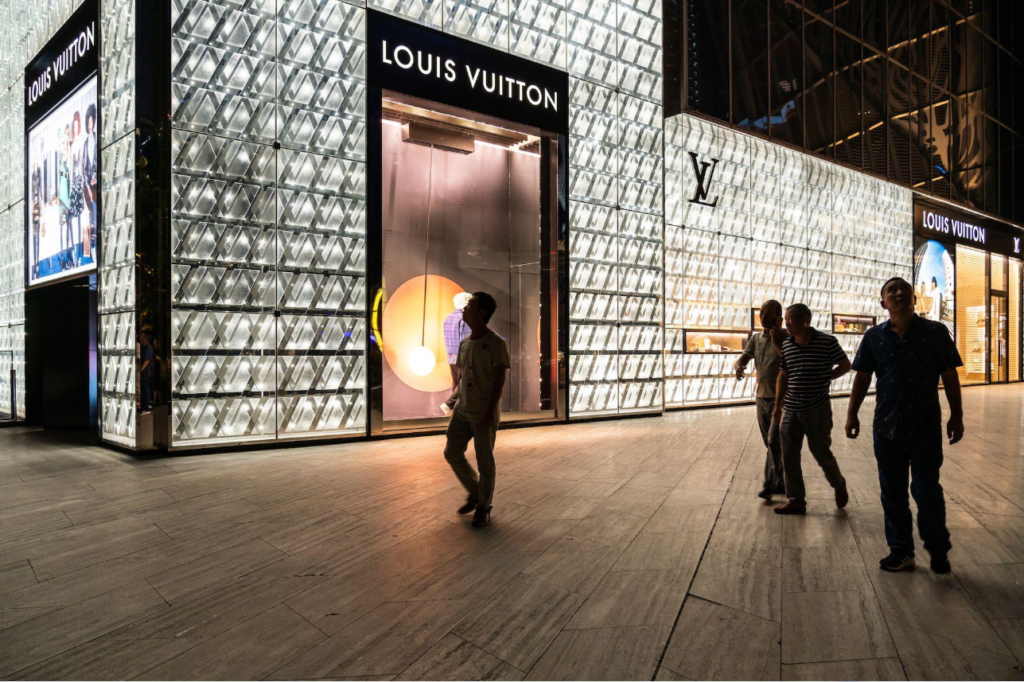
China played a central role in luxury’s expansion over the past two decades. Rising household wealth, rapid urbanization and growing demand for international brands helped transform the country into one of the industry’s most important markets. Companies invested heavily in stores, marketing and products designed to appeal to Chinese consumers.
That relationship has become more complicated. Weakness in China’s property market, concerns about employment and subdued consumer confidence have encouraged more cautious spending. Luxury brands can no longer assume that the country’s expanding middle and upper classes will automatically support sustained increases in sales.
Additional pressure has emerged from changes to China’s taxation of wealthy individuals. New enforcement measures affecting offshore assets have introduced uncertainty for some affluent consumers, a group previously considered more resilient than middle-income shoppers. Although the longer-term consequences remain unclear, the immediate effect has been another reason for investors to question the timing of a luxury recovery.
The problem is not necessarily that Chinese consumers have permanently lost interest in luxury. Rather, economic uncertainty is changing how, when and why they make expensive purchases. For companies that built their growth strategies around strong demand from China, adapting to this shift is becoming essential.
The Aspirational Customer Is Pulling Back
Luxury businesses have traditionally depended on two broad categories of customers. At one end are extremely wealthy individuals whose purchasing decisions are relatively insulated from everyday economic pressures. At the other are aspirational consumers who occasionally purchase expensive products as rewards, investments in personal style or symbols of social status.
The second group has become particularly vulnerable to higher living costs and economic uncertainty. A consumer who once saved for a designer handbag may now prioritize housing, travel or financial security. Repeated price increases have also placed some luxury products beyond the reach of customers who previously considered them attainable.
Morgan Stanley’s 2026 luxury outlook describes an increasingly divided market in which brands serving wealthier customers are generally better positioned than those dependent on aspirational spending. The distinction helps explain why some companies are performing more strongly than others, even when they operate within the same broad industry.
This presents a difficult commercial challenge. Reducing prices risks weakening exclusivity, while continuing to raise them may push away customers whose loyalty was built over many years. Luxury companies must find ways to strengthen the appeal of their products without assuming that higher prices automatically communicate greater value.
Not Every Luxury Business Is Struggling Equally
The industry’s slowdown has not affected every product category or company in the same way. Jewelry businesses, particularly those serving wealthy clients, have demonstrated greater resilience than several fashion and leather goods brands. Richemont, the owner of Cartier and Van Cleef & Arpels, has held up better in financial markets than many of its European competitors.
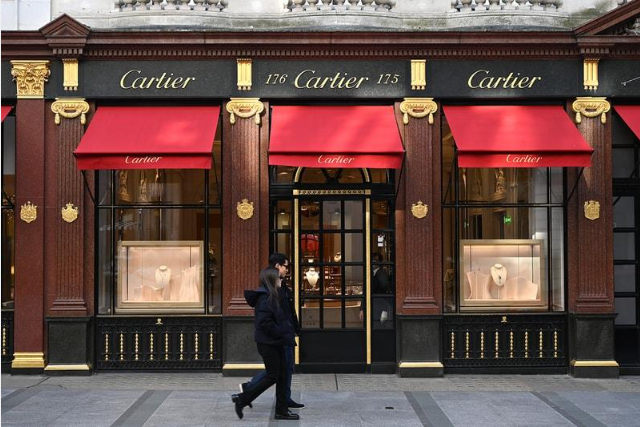
The contrast reflects differences in customer demographics, purchasing motivations and product positioning. Fine jewelry is often associated with important life events, personal collections and long-term ownership. Fashion accessories, by comparison, can be more exposed to changing trends and consumer perceptions about whether a product remains desirable.
The changing market also creates opportunities for smaller luxury labels. Consumers who have become less enthusiastic about highly visible logos may be drawn toward brands emphasizing craftsmanship, understated design and distinctive products. However, quieter branding alone cannot guarantee success. Companies still need quality, consistent creative direction and a convincing reason for customers to choose them.
The Industry Must Rebuild Its Relationship With Consumers
Luxury’s challenges extend beyond economic conditions. After years of price increases, consumers are questioning whether some products still justify their cost. Exclusivity depends partly on scarcity, but it also depends on authenticity, craftsmanship and the emotional significance of ownership.
Bain and Altagamma’s June 2026 research suggests that the market is stabilizing unevenly rather than entering a universal collapse. Their base-case forecast anticipated personal luxury goods growth of 2% to 4% for the year, while also identifying changing consumer preferences and stronger interest in luxury experiences.
This matters because consumers have more ways to spend discretionary income than ever before. Travel, hospitality, exclusive events and secondhand luxury products compete with new handbags, clothing and watches. Brands must therefore think beyond selling more products through larger store networks.
For established luxury houses, the next phase may require greater investment in design, customer experience and product quality rather than relying predominantly on expansion and pricing power. The companies that recover most convincingly will be those capable of demonstrating that their products offer something customers cannot easily find elsewhere.
THE ABE TAKE
The global luxury industry’s difficulties reveal a broader business lesson: a powerful brand does not guarantee permanent pricing power. Luxury companies have spent decades cultivating exclusivity, but exclusivity loses some of its commercial strength when consumers begin questioning the relationship between price and value.
The industry’s future is unlikely to be determined by whether wealthy people continue purchasing expensive goods. They almost certainly will. The more important question is whether luxury businesses can rebuild confidence among consumers who once viewed their products as desirable aspirations but now regard them as increasingly difficult to justify.
A sustainable recovery will require more than waiting for China to improve or for consumer confidence to return. It will demand better products, stronger creative identities and a renewed understanding of why customers choose luxury in the first place. The brands that succeed will not simply be those capable of charging the highest prices, but those that make those prices feel worthwhile.
ABE MAGAZINE
Understand More. Think Bigger.