






ABE MAGAZINE | BUSINESS & INDUSTRY
October 13, 2026
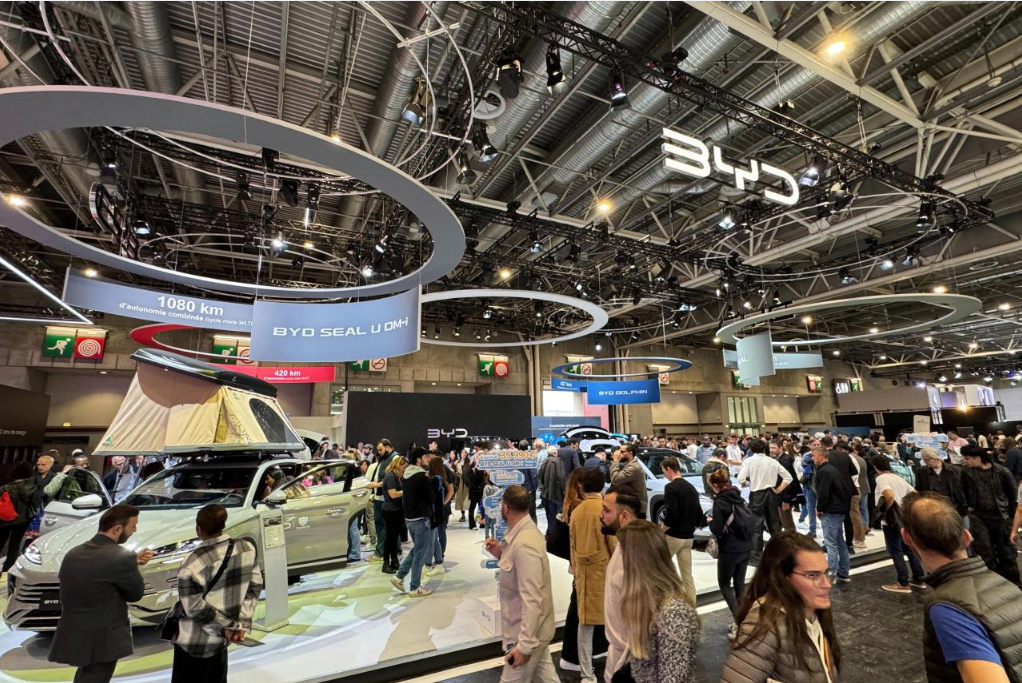
At the Paris Motor Show, Europe’s most established automakers are confronting a new industrial reality. Chinese competitors are gaining ground through competitive pricing and electric-vehicle technology, forcing the continent to reconsider how it builds, sells and protects one of its most important industries.
Europe’s Automotive Advantage Is Under Pressure
For more than a century, Europe’s automotive industry has represented industrial excellence, engineering innovation and global prestige. Volkswagen, BMW, Mercedes-Benz, Renault and other manufacturers helped establish the standards by which modern vehicles are designed and produced. Their factories supported millions of jobs, their brands became symbols of national identity, and their technological expertise gave European companies considerable influence over the international car market. Today, however, that historical advantage is being challenged by a new generation of competitors.
At the 2026 Paris Motor Show, the growing influence of Chinese automakers has become impossible to ignore. Manufacturers including BYD, Chery and Changan are expanding their presence in Europe, introducing vehicles that combine increasingly sophisticated technology with competitive prices. European companies are responding with new models, revised production strategies and demands for greater government support. The competition is no longer simply about which manufacturer can build a better electric car. It is about which industrial system can produce desirable vehicles efficiently enough to remain profitable.
Volkswagen’s recent performance illustrates the pressure. The company reported a 14.3% decline in vehicle deliveries during the third quarter, affected by weaker demand in China and other major markets. BMW also recorded a 6.4% decline in global deliveries, with sales in China falling by approximately one-quarter. These figures do not mean Europe’s automotive industry is collapsing, but they demonstrate how difficult its operating environment has become.
How China Changed the Economics of Car Manufacturing
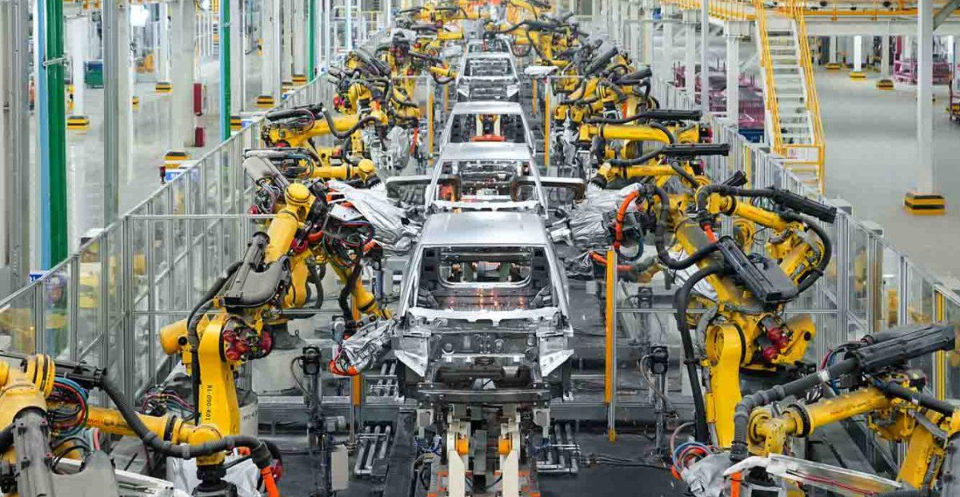
China’s emergence as a major automotive exporter reflects years of investment in manufacturing capacity, battery technology and electric-vehicle supply chains. Companies have developed the ability to produce vehicles at scale while integrating increasingly advanced software and electronic systems. Competition within China’s domestic market has also encouraged manufacturers to introduce new models rapidly and place considerable pressure on prices.
That industrial capacity is now reshaping international markets. Chinese passenger-car exports reached approximately 919,000 vehicles in September 2026, an increase of 64% compared with the same month a year earlier. During the first nine months of the year, exports exceeded 7.1 million vehicles. The expansion has occurred even as domestic demand weakened, giving manufacturers an additional incentive to seek customers overseas.
For European manufacturers, this creates a challenge that extends beyond selling prices. Lower production costs can allow competitors to introduce more equipment at a given price, invest aggressively in new technology or accept thinner margins while building market share. Established companies must respond while maintaining large factory networks, established labour arrangements and substantial investments in older vehicle technologies. Their challenge is to modernize without undermining the businesses that still finance much of that transition.
The result is a fundamental shift in competition. European brands can no longer rely exclusively on engineering reputation, customer loyalty or historical prestige. They must demonstrate that their vehicles offer convincing value in a market where technology and affordability are becoming increasingly influential purchasing decisions.
Europe’s Response: New Models, Familiar Identities
One of the most interesting developments at the Paris Motor Show is the return of familiar European designs. Renault has found success with an electric interpretation of its classic Renault 5, while Stellantis has presented a modern electric version of Citroën’s historic 2CV. Volkswagen is drawing on the visual identity of earlier models as it develops its electric Polo.
This strategy reflects an advantage Chinese manufacturers cannot immediately reproduce: generations of emotional attachment to established European brands. Familiar designs can evoke memories, communicate identity and distinguish vehicles in an increasingly crowded market. For consumers who view car ownership as an expression of personal taste rather than simply a transportation decision, those associations can influence purchasing choices.
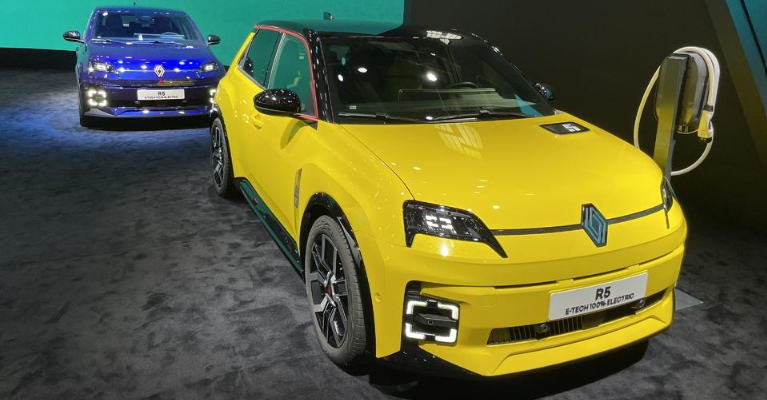
Nevertheless, nostalgia has limits. An attractive design cannot compensate indefinitely for an expensive vehicle, unreliable software or inconvenient charging. European manufacturers must combine their heritage with competitive technology, efficient production and practical affordability. The strongest brands will be those capable of preserving what customers value about their history while adapting to the economics of a fundamentally different industry.
Some companies are also learning directly from their competitors. Stellantis is working with China’s Leapmotor on technology and vehicle development, demonstrating that the relationship between European and Chinese manufacturers is not exclusively adversarial. Partnerships can provide access to technical expertise and accelerate product development, although they also raise questions about how much industrial knowledge and manufacturing value will remain within Europe.
Can Government Protection Preserve European Manufacturing?
The competitive challenge has become a major political issue because automotive production is deeply connected to European employment, exports and industrial investment. Policymakers are concerned that a prolonged loss of market share could weaken domestic factories and the networks of component suppliers that depend on them. Governments are consequently examining how trade restrictions, manufacturing incentives and industrial regulations might help established producers compete.
The European Union already applies additional countervailing duties to certain battery-electric vehicles manufactured in China. More recently, the EU announced an agreement intended to limit annual imports of Chinese hybrid vehicles to 350,000, with implementation expected later in 2026. European manufacturers have generally welcomed efforts to address import competition, but several executives argue that trade measures alone cannot resolve their underlying disadvantages.
Volkswagen chief executive Oliver Blume has warned of severe pressure on Europe’s mass-market manufacturers. Industry leaders have also called for lower energy costs, additional battery-production capacity and more flexible emissions rules. These demands reflect a difficult reality: restricting imports may provide temporary relief, but it does not automatically make European factories more efficient or European vehicles more affordable.
There is also a wider economic trade-off. Protecting domestic production may help preserve employment and strategic industrial capabilities, but excessive restrictions can reduce consumer choice and weaken incentives for manufacturers to innovate. European policymakers must therefore distinguish between measures that create time for industrial adaptation and those that merely delay necessary changes.
The Future of European Manufacturing Is at Stake
The consequences of this competition reach beyond car dealerships. Automotive manufacturing supports engineering firms, steel producers, electronics suppliers, logistics providers and local economies built around major factories. When manufacturers change production locations or reduce output, the effects can spread through entire industrial regions. The transition to electric vehicles also changes the skills, components and infrastructure required to remain competitive.
Europe still possesses important strengths, including globally recognized brands, extensive technical expertise and sophisticated manufacturing networks. Its challenge is to translate those advantages into a new generation of vehicles that consumers can afford and manufacturers can produce profitably. That will require investment in batteries, software, factory productivity and the infrastructure supporting electric mobility.
Chinese automakers, meanwhile, face their own uncertainties. Rapid international expansion brings regulatory scrutiny, trade barriers and the costs of establishing overseas manufacturing operations. Their growing export presence does not guarantee permanent dominance. The competitive balance will depend on how effectively companies on both sides adapt to changing consumer preferences and industrial conditions.
THE ABE TAKE
Europe’s automotive challenge is not simply that Chinese manufacturers are producing cheaper electric vehicles. It is that the foundations of competitive advantage in the industry are changing. Engineering excellence and brand heritage remain valuable, but they are no longer sufficient without affordable technology, efficient manufacturing and the ability to introduce new products quickly.
Government intervention may help European companies manage the transition, but protection cannot become a substitute for competitiveness. A sustainable industrial strategy must strengthen production capabilities rather than merely restrict foreign competition. Manufacturers must also recognize that consumers ultimately judge vehicles by what they receive for the price they pay.
Europe helped define the modern automobile. Whether it leads the next chapter will depend less on what its manufacturers achieved in the past than on how decisively they respond to the competition now reshaping their industry.
ABE MAGAZINE
Understand More. Think Bigger.