








ABE MAGAZINE | GLOBAL TRADE & ECONOMICS
October 14, 2026
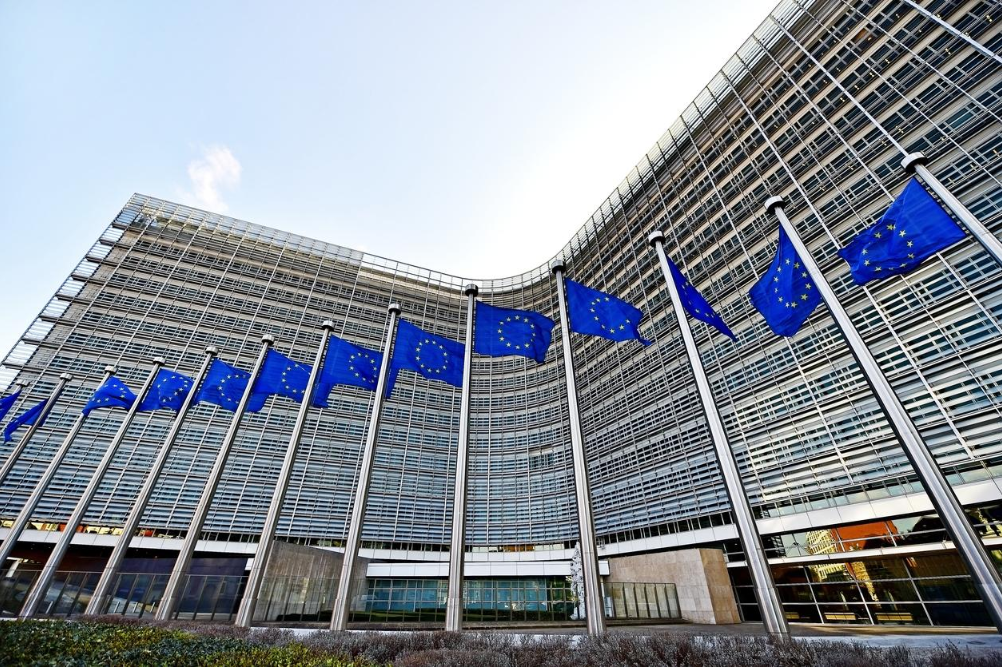
Europe’s economic relationship with China is entering a more complicated phase. As Chinese manufacturers expand their presence in European markets, governments are seeking to protect domestic industries while preserving access to a trading partner that remains essential to global commerce.
A Trading Relationship Under Pressure
For decades, Europe’s economic relationship with China was built around a relatively straightforward expectation: expanding trade would create opportunities for both sides. European manufacturers gained access to a rapidly growing consumer market, while Chinese companies became important suppliers of machinery, electronics and manufactured products. That arrangement helped support industrial growth and connected the two economies through increasingly complex supply chains.
Today, the relationship is being reconsidered. European policymakers are concerned that China’s expanding manufacturing capacity, industrial subsidies and competitive pricing are placing pressure on domestic businesses. At the same time, European companies remain dependent on Chinese suppliers for essential materials and components, making any attempt to reduce economic exposure difficult.
The scale of the relationship explains the challenge. According to Eurostat, the European Union imported €559.4 billion in goods from China in 2025 while exporting €199.6 billion. The resulting trade deficit of €359.8 billion reflects a substantial imbalance that has become a central issue in European economic policy.
Europe is therefore confronting a difficult question: how can it defend its industrial competitiveness without undermining the commercial relationships on which many of its businesses depend?
The Automotive Industry Has Become a Battleground
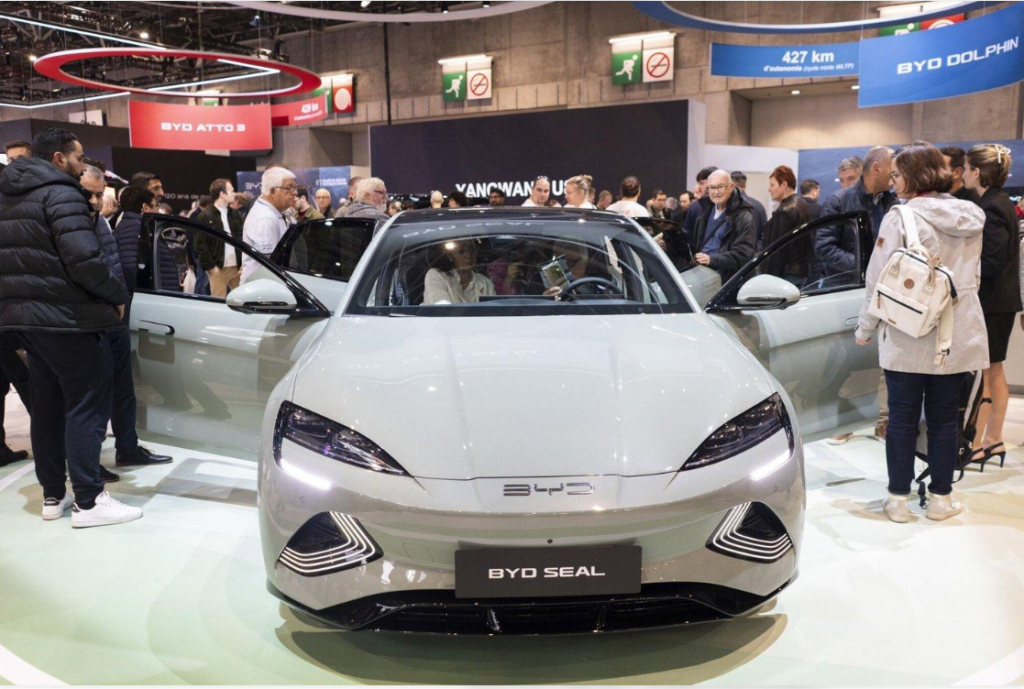
Few industries illustrate these tensions more clearly than automotive manufacturing. European companies have long been global leaders in vehicle production, engineering and premium brands. However, Chinese manufacturers have become increasingly competitive, particularly in electric and hybrid vehicles, where manufacturing scale and battery supply chains can provide significant cost advantages.
The European Union introduced additional duties on certain Chinese-made battery-electric vehicles following an investigation into subsidies. Brussels argued that government support had created unfair competitive conditions, while Beijing criticized the measures as protectionist. The dispute demonstrated how industrial competition was becoming a matter of trade policy rather than simply consumer choice.
A new development emerged on October 9, when European and Chinese negotiators reached an understanding concerning hybrid-vehicle exports to Europe. The discussions also covered potential tariff reductions and improved access to critical raw materials. However, the publicly available joint statement did not establish a detailed implementation timetable or disclose all the mechanisms required to put the hybrid arrangement into effect.
For European manufacturers, the negotiations may offer temporary relief. Yet trade restrictions alone cannot guarantee long-term competitiveness. Chinese companies are increasingly considering European production facilities and alternative export arrangements, meaning that competition may continue even as governments introduce additional safeguards.
Europe’s Dependence on Chinese Supply Chains
The debate extends well beyond automobiles. China occupies an important position in the production and processing of materials used in electric vehicles, wind turbines, electronics and advanced manufacturing. Rare earths and permanent magnets are particularly significant because disruptions to their supply can affect multiple industries simultaneously.
During the October negotiations, China agreed to continue facilitating export licences for certain rare earths and permanent magnets supplied to European companies through a faster approval mechanism. The arrangement could help reduce uncertainty for manufacturers, although it does not eliminate China’s export controls or guarantee unrestricted access.
This distinction is important. Europe’s challenge is not simply that it imports large quantities of products from China. It is that certain supply chains have become concentrated in ways that leave companies vulnerable to political disagreements, licensing delays or unexpected disruptions.
European policymakers increasingly describe their objective as reducing economic risks rather than ending trade with China. That approach involves developing alternative suppliers, encouraging domestic production and strengthening relationships with other trading partners while maintaining commercial engagement with Beijing.
China Remains Too Important to Ignore
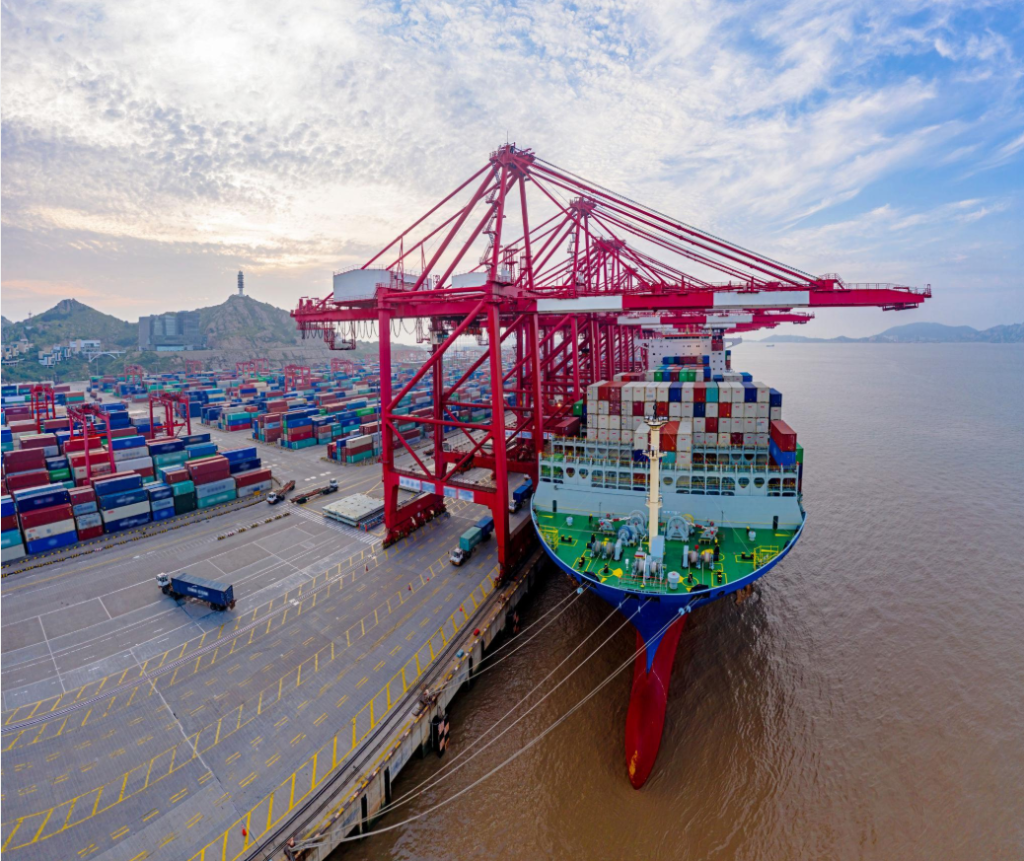
Despite growing tensions, China remains a major destination for European exports and investment. German automotive manufacturers, European machinery producers, pharmaceutical companies and other businesses have substantial commercial interests in the Chinese economy. A sharp deterioration in relations could therefore damage companies on both sides.
China also has reasons to preserve the relationship. Europe is a large consumer market for Chinese manufactured goods, and access to European customers remains important for companies seeking international growth. Trade restrictions, investment barriers and political uncertainty could complicate those ambitions.
The latest negotiations suggest that both sides recognize these mutual interests. European officials are seeking more balanced market access, while Chinese representatives have expressed a willingness to continue discussions on trade and investment concerns. Possible reductions in tariffs on selected products remain under consideration, but they should not be confused with measures that have already taken legal effect.
The relationship is consequently becoming more selective. Cooperation remains possible in areas where economic interests overlap, while disputes over subsidies, technology and industrial capacity are likely to continue.
A Wider Debate About Europe’s Economic Future
Europe’s reassessment of China also reflects concerns about its own economic performance. High energy costs, uneven productivity growth and the expense of industrial transformation have created difficulties for manufacturers competing internationally. Policymakers must determine whether trade measures can protect strategic industries without increasing costs for consumers and businesses.
There are competing views on the appropriate response. Supporters of stronger trade defenses argue that European manufacturers cannot compete fairly when foreign competitors benefit from extensive state support. Critics warn that excessive restrictions could raise prices, provoke retaliation and reduce the competitive pressure that encourages European companies to innovate.
Neither argument resolves the underlying challenge by itself. Protecting existing businesses may provide time for adjustment, but lasting competitiveness requires investment in technology, infrastructure, workforce skills and more efficient production.
Europe’s future economic relationship with China will therefore depend partly on decisions made within Europe itself. Trade negotiations can address market access and commercial disputes, but they cannot substitute for a credible industrial strategy.
THE ABE TAKE
Europe is not simply deciding whether to trade with China. It is reconsidering the terms under which economic interdependence should operate in a world where industrial strength and national security have become closely connected.
The European Union has legitimate concerns about unfair competition and concentrated supply chains. China, meanwhile, has strong commercial incentives to defend its manufacturing industries and access to international markets. The challenge is to manage these competing interests without allowing economic rivalry to develop into a damaging cycle of retaliation.
The most effective European strategy will combine targeted trade protections with serious investment in domestic competitiveness and diversified supply chains. Reducing vulnerability is a reasonable objective, but withdrawing from one of the world’s largest economies would create vulnerabilities of its own.
The future of EU–China relations may ultimately be defined not by a complete separation, but by a more cautious form of cooperation in which both sides continue trading while competing more aggressively for industrial and technological influence.
ABE MAGAZINE
Understand More. Think Bigger.