





ABE MAGAZINE | GLOBAL BUSINESS
October 19, 2026
Oil prices have eased after a period of sharp increases, offering temporary relief to financial markets and businesses already struggling with higher operating costs. Yet the forces driving energy prices remain deeply unsettled. From shipping disruptions in the Middle East to changes in American sanctions policy, the latest movements reveal how vulnerable the global economy remains to political decisions and interruptions in international trade.
A Price Decline That Does Not End the Crisis
Global oil prices moved lower on Monday after the United States eased certain restrictions affecting Russian energy, raising the possibility that additional supplies could reach international markets. Brent crude traded near $108 a barrel, retreating from a five-month high reached amid growing concerns about supply disruptions. Financial markets welcomed the decline, with American stock futures advancing and government bonds finding support.
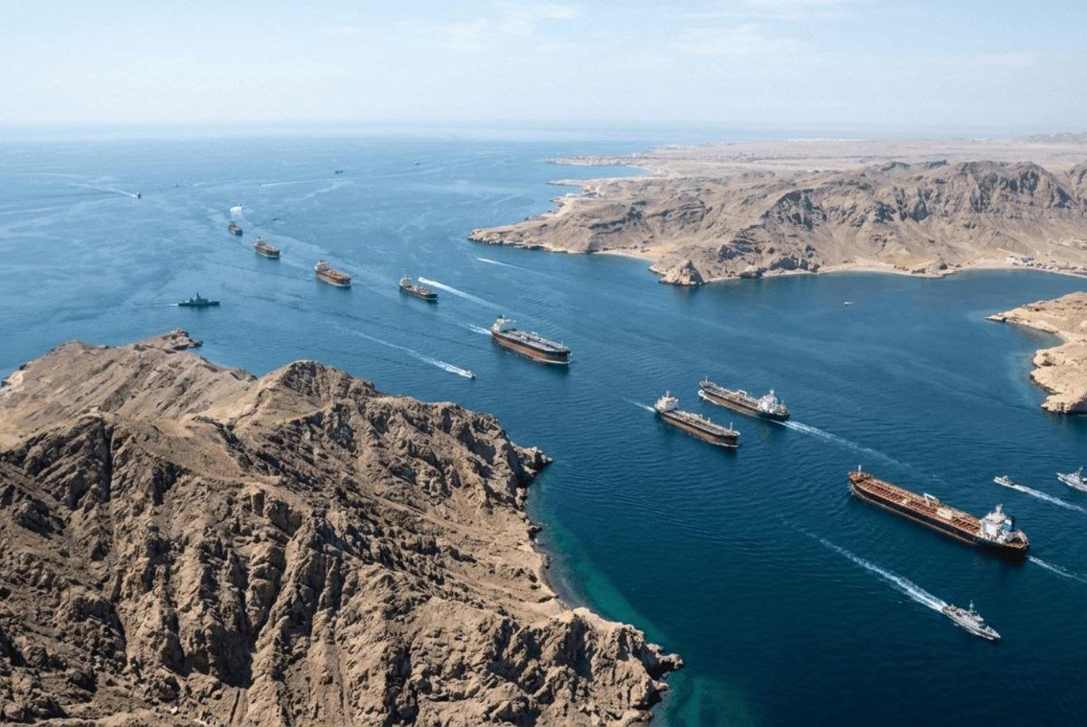
However, the fall in oil prices should not be confused with a return to normal conditions. Energy markets remain sensitive to developments in the Middle East, where attacks on shipping and uncertainty surrounding the Strait of Hormuz have complicated the movement of petroleum products. Even when oil becomes available for export, transporting it safely and affordably presents a separate challenge.
For businesses, that distinction matters. The price of crude oil is only one component of the final cost of fuel, electricity, transportation and manufactured goods. Higher shipping insurance, longer delivery routes and interruptions to refinery supplies can keep operating expenses elevated even when benchmark oil prices decline.
The Strait of Hormuz and the Cost of Global Trade
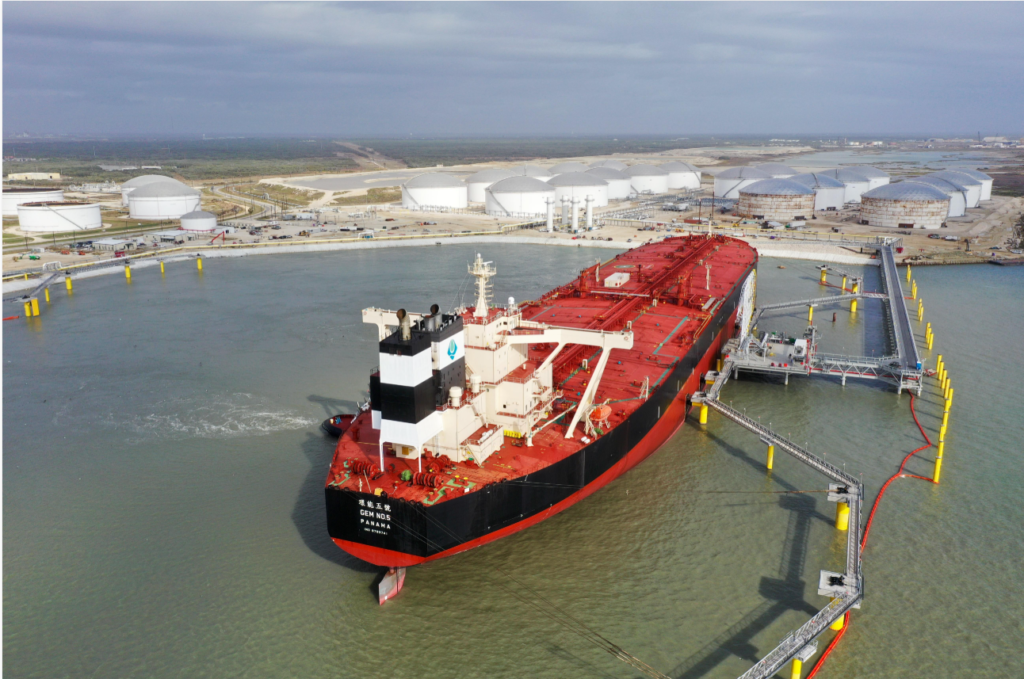
The Strait of Hormuz is one of the world’s most strategically important energy corridors, connecting producers in the Persian Gulf with customers across Asia, Europe and other regions. Disruptions there can affect far more than the companies directly involved in producing or transporting petroleum.
Shipping companies must consider vessel safety, insurance costs and the possibility of delayed deliveries. Importers face uncertainty over arrival dates, while airlines, manufacturers and logistics businesses must account for the possibility of renewed fuel-price increases.
The consequences are particularly significant for economies dependent on imported energy. Higher petroleum costs can weaken trade balances, increase pressure on currencies and complicate efforts by central banks to control inflation.
Energy-producing countries may benefit from higher export revenues, but even they face risks when instability threatens the infrastructure and transport networks needed to reach customers. The result is an international market in which higher prices do not necessarily translate into greater economic security.
Washington’s Decision Creates New Questions
The American decision to waive certain Russia-related sanctions and tariffs has introduced another layer of uncertainty into energy markets. Investors are assessing whether the policy change will translate into meaningful additional supply or merely provide short-term reassurance.
That question cannot be answered by policy announcements alone. Export infrastructure, existing contracts, shipping availability and the continuing effects of the war in Ukraine will influence how much Russian energy can actually reach international buyers.
The move also illustrates the difficult choices confronting governments when geopolitical objectives collide with domestic economic pressures. Restricting energy exports can serve strategic purposes, but prolonged supply constraints may raise fuel costs for consumers and businesses far beyond the countries directly involved.
For international companies, the lesson is that political risk is now an essential part of energy planning. Procurement decisions increasingly require attention not only to prices and suppliers but also to sanctions, security developments and the resilience of transport routes.
Why Businesses Cannot Rely on Temporary Relief
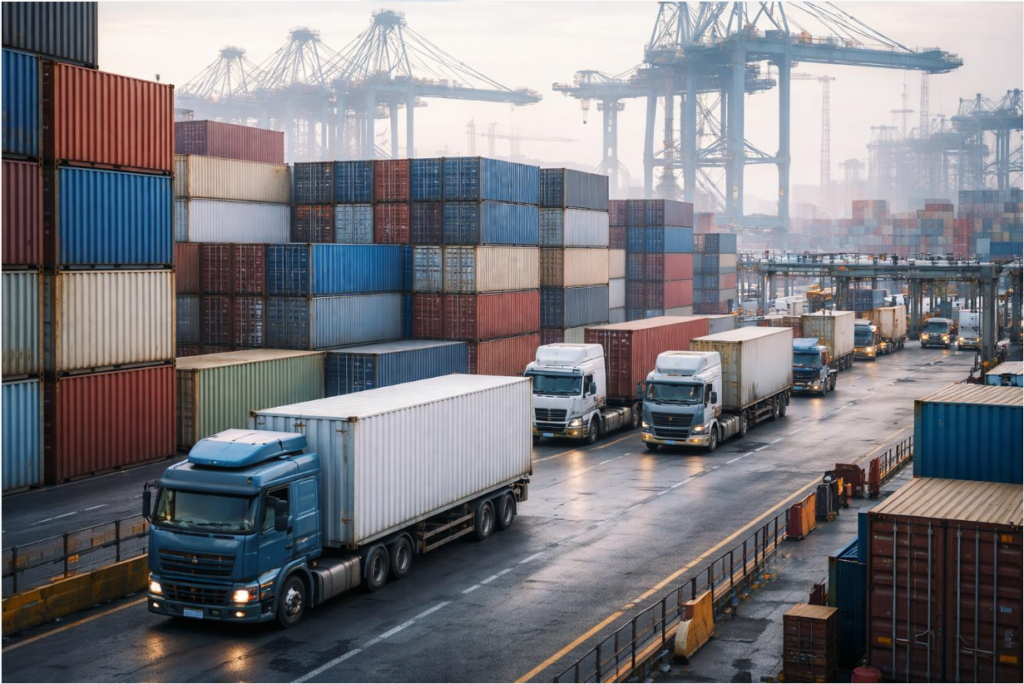
A lower oil price may provide immediate encouragement, particularly for transportation-intensive industries. Airlines, shipping operators, manufacturers and retailers can benefit when fuel costs ease. Yet businesses making long-term investment decisions need greater confidence that supplies will remain available and that prices will not reverse suddenly.
The uncertainty also extends to consumers. Energy prices influence the cost of commuting, heating, food distribution and many everyday products. When businesses cannot predict their operating expenses, they may delay expansion, reduce investment or pass additional costs on to customers.
The broader economic concern is that persistent energy instability can weaken growth while maintaining inflationary pressure. This combination leaves policymakers with fewer straightforward options: supporting economic activity becomes more difficult when prices remain vulnerable to renewed supply shocks.
THE ABE TAKE
The latest retreat in oil prices is a reminder that financial markets can respond quickly to political developments, but the underlying economic problems often take much longer to resolve. A policy change can influence trading within hours. Rebuilding confidence in international shipping routes, securing dependable supply chains and restoring predictable energy costs require sustained stability.
The most important question for businesses is therefore not whether oil becomes cheaper on a particular trading day. It is whether companies can plan production, transportation and investment without repeatedly confronting unexpected disruptions.
For governments, energy security increasingly involves balancing affordability with diversification and resilience. For businesses, it means understanding how events thousands of kilometres away can affect costs, customers and profitability.
Oil may be retreating from its recent highs, but the global economy has not escaped the consequences of energy uncertainty. Until supply routes become more secure and geopolitical risks diminish, temporary price relief will remain different from lasting stability.
ABE MAGAZINE
Understand More. Think Bigger.