



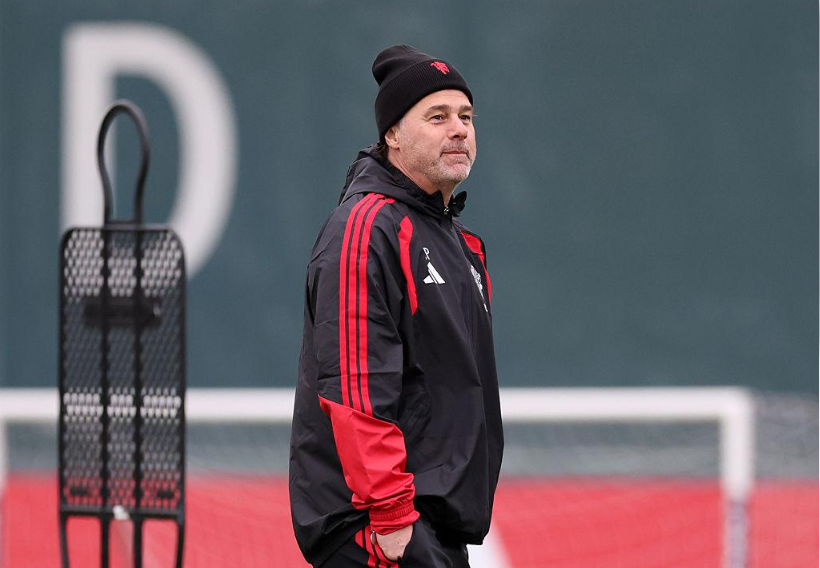
Manchester United has entrusted Mauricio Pochettino with the responsibility of rebuilding one of the world’s most recognizable football institutions. However, years of managerial instability, financial pressure and controversial ownership decisions suggest that restoring the club’s former greatness will require considerably more than a change on the touchline.
By ABE Editorial Desk | ABE Magazine
Friday, November 27, 2026
Another New Beginning at Old Trafford
Manchester United is entering another chapter in its difficult journey towards sporting recovery. The appointment of Mauricio Pochettino marks the latest attempt to restore stability at a club once synonymous with dominance in English football. The Argentine officially assumed responsibility for the men’s first team on November 18, following the dismissal of Michael Carrick. His arrival comes at a time when the club’s ambitions remain considerably greater than its recent achievements.
Carrick’s departure followed a disappointing beginning to the Premier League season, despite having guided United back into the Champions League during the previous campaign. At the time of his dismissal, the club had secured just eight points from its opening ten league matches. Such performances raised serious questions about the effectiveness of its sporting structure. More importantly, they demonstrated how quickly optimism can disappear at an institution struggling to establish consistency.
Why Manchester United Turned to Pochettino
Pochettino brings extensive experience from some of the most demanding environments in professional football. His managerial career includes spells at Southampton, Tottenham Hotspur, Paris Saint-Germain and Chelsea, followed by his leadership of the United States men’s national team. Across these appointments, he developed a reputation for demanding physical preparation, attacking football and the development of younger players. These characteristics could help United establish a clearer sporting identity.
His achievements at Tottenham remain particularly relevant to the challenge awaiting him in Manchester. During his tenure in North London, Pochettino transformed the club into a consistent competitor for Champions League qualification. Tottenham reached the final of Europe’s leading club competition in 2019, demonstrating what a cohesive team could achieve through tactical organization and player development. Although his time there ended without a major trophy, it established his reputation as a coach capable of building competitive teams over several seasons.
Manchester United’s circumstances, however, present a different challenge. Expectations at Old Trafford extend beyond improvement and qualification for European competitions. Supporters want a return to championship contention, while executives must address the financial consequences of inconsistent performances. Pochettino must therefore balance immediate results with the responsibilities of a longer-term reconstruction.
The Financial Consequences of Sporting Decline
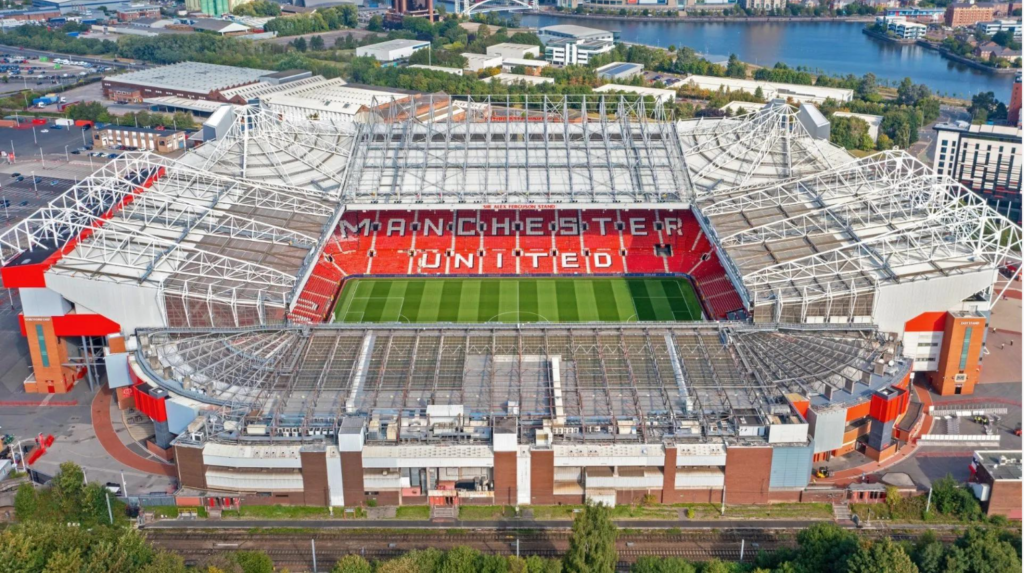
Manchester United’s difficulties are no longer confined to the football pitch. Financial results released on November 19 revealed quarterly revenue of £146.1 million, compared with £140.3 million during the corresponding period a year earlier. Despite this increase, the company recorded a net loss of £18.1 million. The figures illustrate how a globally successful commercial brand can continue experiencing significant financial difficulties.
The club maintains substantial income from broadcasting, sponsorship agreements and its international supporter base. For the 2027 financial year, management expects total revenue of between £740 million and £760 million. Nevertheless, strong commercial income does not automatically translate into profitability. Player wages, transfer-related expenses, financing costs and operational commitments continue to influence the company’s financial performance.
Sporting success remains closely connected to these financial considerations. Regular participation in the Champions League can strengthen broadcasting income, sponsorship opportunities and matchday revenue. Conversely, prolonged underperformance can weaken the club’s ability to attract elite players and negotiate favourable commercial agreements. Pochettino’s appointment consequently carries implications that extend well beyond football results.
The Ownership Question Cannot Be Ignored
Manchester United’s leadership structure remains central to discussions about its future. The Glazer family and Sir Jim Ratcliffe’s INEOS are influential stakeholders in an institution facing considerable pressure from supporters. Since assuming responsibility for football operations in 2024, INEOS has pursued organizational changes intended to improve the club’s efficiency and sporting performance. However, managerial instability has continued despite those efforts.
The repeated replacement of coaches raises questions about how responsibility is distributed within the organization. Managers are expected to deliver results, yet recruitment, financial planning and executive appointments also influence the quality of the team. When these decisions are not aligned with a consistent sporting philosophy, changing the manager may offer only temporary relief. A sustainable recovery requires coordination between the coaching staff, recruitment department and ownership.
Pochettino has already expressed his desire to participate in important decisions affecting the first team. His relationship with director of football Jason Wilcox and chief executive Omar Berrada could therefore become an important factor in the direction of the club. Clearly defined responsibilities would help reduce uncertainty surrounding recruitment and squad development. Without such alignment, United risks repeating the organizational difficulties that have undermined previous managerial appointments.
Rebuilding Manchester United’s Football Identity
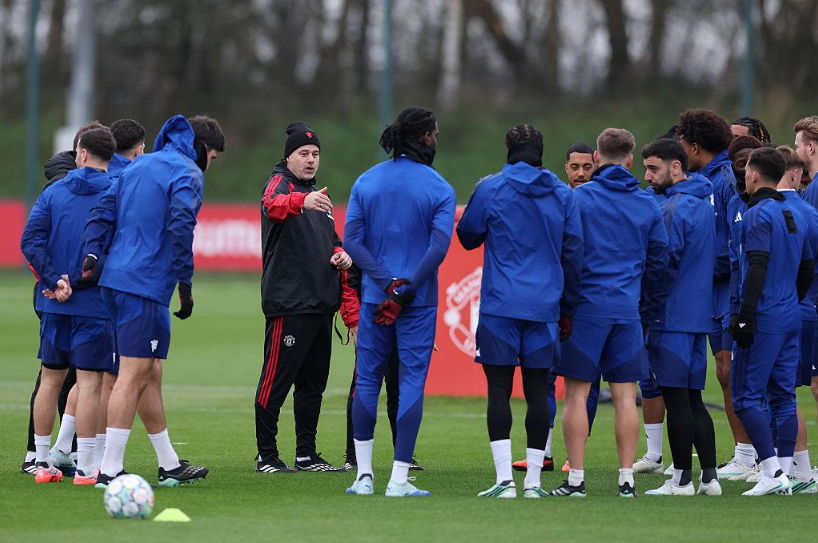
During Sir Alex Ferguson’s tenure, Manchester United developed a recognizable culture built around competitiveness, player development and sustained ambition. The club’s success was supported by institutional continuity that allowed teams to evolve without completely abandoning their identity. Since Ferguson’s retirement in 2013, successive managerial appointments have introduced different tactical approaches and recruitment priorities. Establishing a consistent philosophy has become increasingly difficult.
Pochettino’s preference for energetic football could provide a foundation for rebuilding that identity. However, implementing an intensive playing style requires players with suitable physical capabilities, technical qualities and tactical understanding. The existing squad may need considerable adjustment before it can consistently execute his ideas. Recruitment must therefore support a coherent sporting strategy rather than simply pursue high-profile individuals.
The development of academy players could also become an important component of the recovery. Manchester United possesses a historic association with producing young footballers capable of competing at the highest level. Effective integration of academy talent can strengthen squad continuity while reducing dependence on expensive external recruitment. This approach would also help reconnect the modern football operation with one of the institution’s most enduring traditions.
THE ABE TAKE | Manchester United Needs More Than a New Manager
Mauricio Pochettino represents a credible opportunity for Manchester United to establish a more disciplined and recognizable football identity. His experience in player development and team construction provides qualities that could support a sustained reconstruction. Nevertheless, the difficulties awaiting him cannot be separated from the wider organization responsible for the club’s direction. Managerial expertise alone cannot resolve structural weaknesses that have developed over more than a decade.
The club’s commercial strength provides valuable resources, but its leadership must ensure that those resources translate into productive sporting investment. Recruitment decisions should reflect a consistent philosophy, while financial management must support long-term competitiveness. The ownership must also accept responsibility for creating an environment in which a coach can succeed. Stability should be earned through intelligent planning rather than confused with an unlimited tolerance for poor results.
Comparisons between Pochettino and Sir Alex Ferguson may capture the imagination of supporters, but they risk creating unrealistic expectations. Manchester United does not necessarily need another Ferguson. It needs a modern football institution capable of sustaining excellence regardless of the individual occupying the technical area. Building such an organization will require patience, accountability and considerably greater consistency.
Manchester United’s greatest challenge is not finding another manager capable of delivering success. It is becoming an institution capable of sustaining it.
Understand More. Think Bigger.