







ABE MAGAZINE | ABE FOUNDERS
October 17, 2026
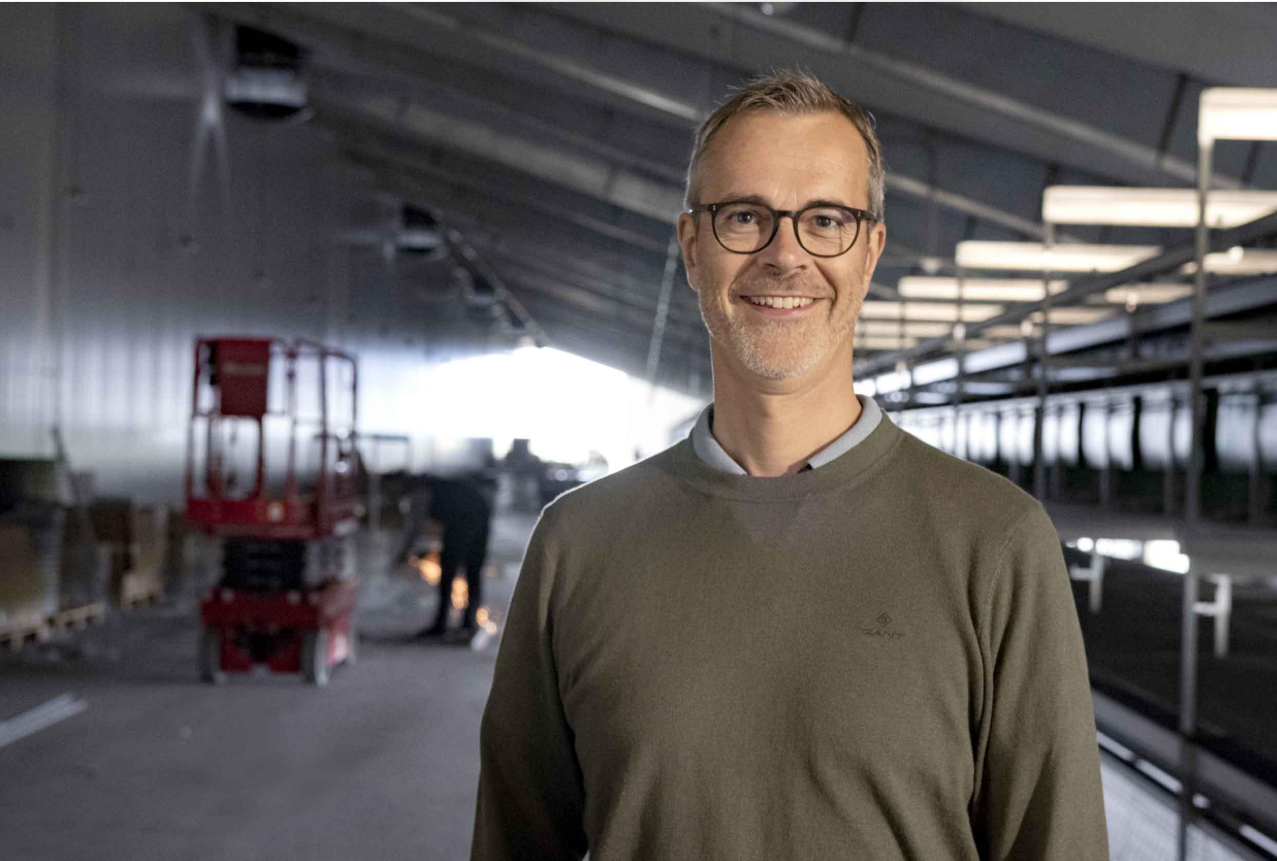
For a small consumer brand, developing a product can be easier than getting it manufactured. Factories often require large orders, long commitments and months of waiting, forcing entrepreneurs to invest in inventory before knowing what customers will buy. Swedish entrepreneur Martin Willers believes there may be another way. Through his young company, 120ft Factory, he is developing compact, robot-operated manufacturing facilities that brands could share instead of owning. His ambition raises an important question about the future of entrepreneurship: what if launching a physical product no longer required committing to a traditional factory?
The Manufacturing Problem He Experienced Himself
Martin Willers did not arrive at manufacturing through an abstract fascination with robotics. His experience building consumer products exposed him to the difficulties smaller brands face when trying to bring physical goods to market.
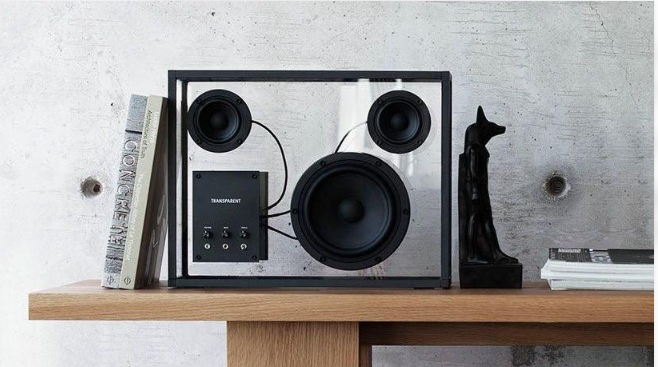
Before establishing 120ft Factory, Willers built and sold hardware design company People People and co-founded Transparent, a Swedish electronics business known for repairable and upgradeable speakers.
At Transparent, he encountered the limitations of conventional manufacturing. Producing consumer electronics frequently required ordering substantial quantities long before actual demand became clear. Decisions about product variations, including colours, had to be made months before customers could demonstrate their preferences.
For a smaller company, such commitments create financial risk. Money becomes tied up in inventory, while an unexpected change in demand can leave businesses holding products that are difficult to sell.
Willers began considering whether manufacturing could become more flexible, allowing brands to produce closer to the point of sale and respond more quickly to customers.
A Factory Built From Three Shipping Containers
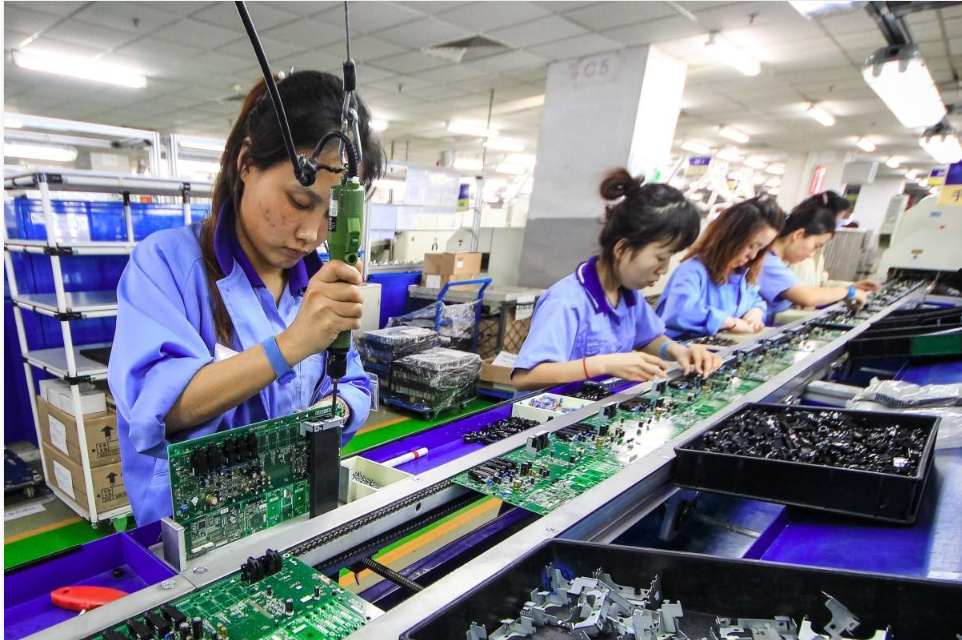
Founded in Stockholm in 2025, 120ft Factory proposes a different approach to industrial production.
Its concept centres on modular facilities occupying the equivalent footprint of three 40-foot shipping containers. The combined container length gives the company its name.
Inside these compact factories, humanoid robots and supporting equipment are intended to prepare components, assemble products, perform inspections and package finished goods.
Instead of purchasing robots or investing in dedicated production lines, participating brands would pay 120ft for each completed product. Multiple businesses could share the same manufacturing capacity, with equipment reconfigured for different assignments.
The initial target market includes design-focused consumer brands producing items such as small appliances and electronics.
Importantly, the model does not eliminate international supply chains. Customers would continue sourcing components from their existing suppliers, while 120ft would handle final assembly closer to the intended market.
The proposed advantage is flexibility rather than complete independence from overseas manufacturing.
Turning Product Designs Into Production Instructions
Building a compact factory is only part of the challenge. The more difficult task is enabling one production system to handle different products without requiring extensive manual reprogramming.
120ft is developing software that converts product designs, component lists and quality requirements into manufacturing instructions. The company intends to test each assignment in a digital simulation before sending it to the physical production system.
Its software would then coordinate robots, tools and quality inspections, including responses when something goes wrong during assembly.
The company has demonstrated a system assembling a lamp, including mechanical operations and a functional test.
According to its own reported figures, the time needed to teach robots one complete assembly skill declined from seven weeks in 2025 to seven hours in 2026. Its stated ambition is to reduce that process to seven minutes by 2027.
Those figures illustrate the company’s technological aspirations, but they are not independent proof of commercial-scale manufacturing performance. Reliable production requires consistent quality, manageable costs and the ability to operate across many products.
The First Investors Back the Idea
On October 15, 2026, 120ft emerged publicly with an announcement that it had raised €576,000 from 22 angel investors.
The investor group includes Ted Persson, associated with EQT’s Scaleup Europe Fund; Sophia Bendz of Cherry Ventures; and entrepreneur Matthias Dantone. Sam Baker, an investor at Planet A Ventures with manufacturing experience, also participated.
The funding will support development of the company’s software, factory infrastructure and progression toward commercial production.
For an early-stage industrial business, attracting investors is an important milestone, but it does not establish commercial success.
Manufacturing ventures can require substantial capital to develop equipment, maintain facilities and demonstrate dependable operations. Even a promising prototype must eventually produce goods at costs customers are willing to pay.
Willers and his team must therefore prove not only that their technology works, but that shared manufacturing capacity can become a sustainable business.
Can Local Manufacturing Compete With Established Factories?
The opportunity 120ft is pursuing reflects a wider concern among smaller brands: dependence on distant suppliers can make product development slow and financially demanding.
Manufacturing closer to customers could shorten replenishment times and allow companies to adjust production volumes more frequently. It could also make smaller production runs more practical for businesses testing new products.
Yet local production does not automatically mean cheaper production. Labour, energy, equipment, maintenance and factory utilization all influence manufacturing costs.
Traditional factories benefit from scale and decades of operational experience. A compact robotic facility must demonstrate that flexibility and reduced inventory commitments can compensate for those advantages.
The company has not publicly established a mature network of operating factories or disclosed the financial performance of commercial customer contracts.
Its next challenge is moving beyond demonstrations toward repeatable production that customers can depend upon.
THE ABE TAKE
Martin Willers’ entrepreneurial journey illustrates how valuable business ideas can emerge from frustrations experienced while building an earlier company.
Rather than attempting to create another consumer electronics brand, he identified a problem affecting the broader industry: smaller businesses often have limited control over how and when their products are manufactured.
120ft Factory is an attempt to turn that constraint into a commercial opportunity.
Its ambition is compelling because it challenges the assumption that manufacturing flexibility must remain the privilege of companies wealthy enough to own sophisticated production infrastructure.
Nevertheless, the company is still at an early stage. Its success will depend on whether its technology can deliver reliable products, competitive economics and meaningful advantages for customers.
For emerging entrepreneurs, the lesson is not that robots will inevitably replace traditional factories. It is that established business processes can contain opportunities for entirely new services.
Willers is betting that manufacturing capacity can become something smaller brands access when they need it, rather than something they must finance long before demand is certain.
Whether that vision succeeds remains to be seen. The problem it seeks to solve is already real.
ABE MAGAZINE
Understand More. Think Bigger.