








ABE MAGAZINE | GLOBAL TRADE & BUSINESS ECONOMY
November 9, 2026 | ABE Magazine Business Desk
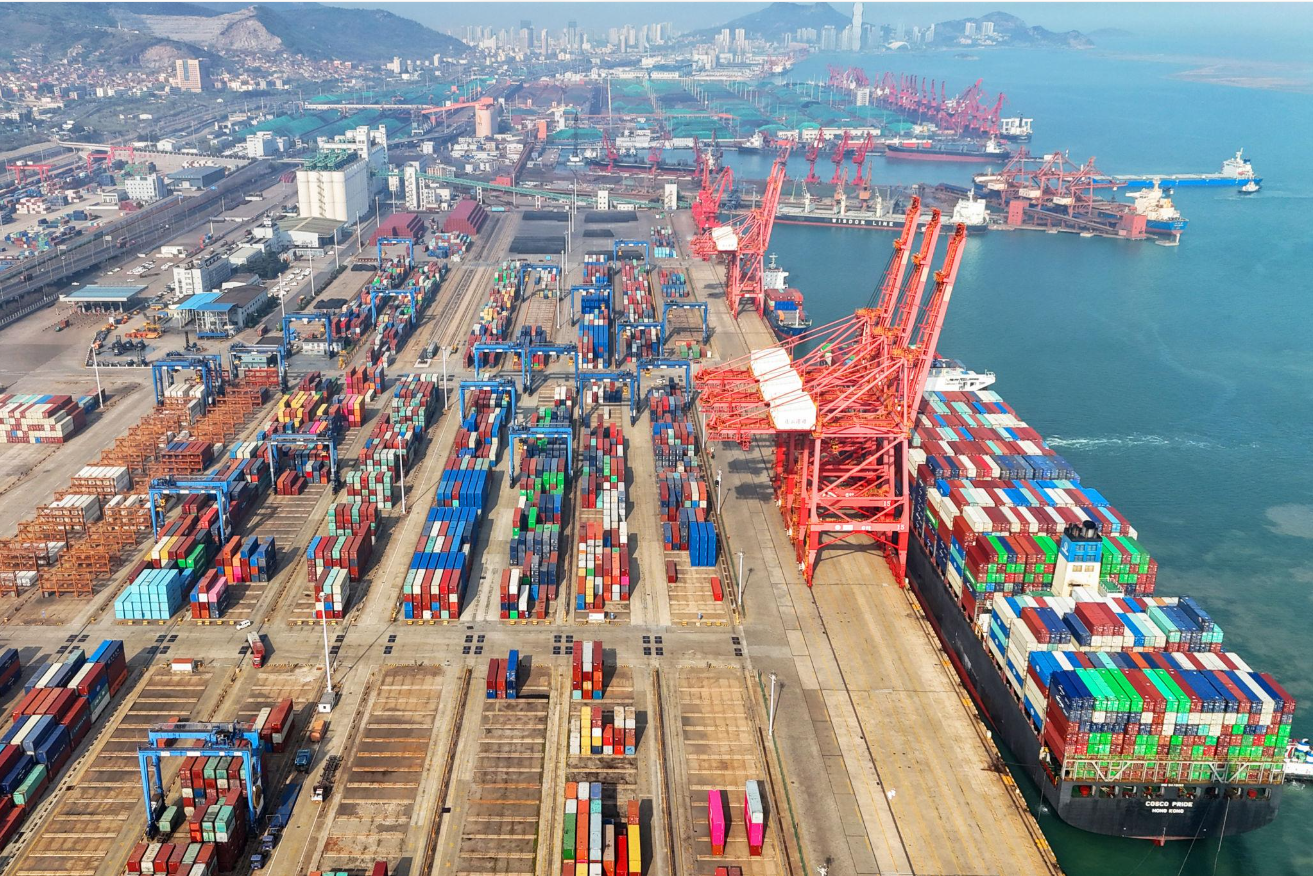
Global trade is entering another period of adjustment as China moves to extend its temporary suspension of additional tariffs on American goods, offering businesses a measure of relief amid continuing uncertainty over international trade relations. Beijing announced on Monday that it would maintain the suspension of a 24% additional tariff on U.S. imports for another two months, while retaining an existing 10% levy. The decision comes as the world’s two largest economies continue negotiations over a broader trade arrangement, with disagreements over industrial policy, strategic technologies and market access remaining central to their economic relationship. Although the extension reduces the immediate risk of additional trade costs, it also highlights a wider transformation in global commerce, where companies are increasingly restructuring supply chains to manage geopolitical risks rather than relying exclusively on production efficiency.
China’s Tariff Extension Offers Temporary Relief to Global Businesses
China’s decision extends the suspension of additional tariffs for two months beginning November 10, while the suspension of special port fees on American-linked vessels will continue until January 10, 2027. Beijing has also maintained a pause on an investigation concerning shipping and shipbuilding supply-chain security, providing further temporary stability for companies involved in maritime transportation and cross-border trade.
The measures follow months of negotiations between Washington and Beijing aimed at reducing trade tensions that have affected manufacturers, agricultural exporters, shipping companies and international investors. Discussions following the September summit between the two countries’ leaders included a proposed package of reciprocal tariff reductions valued at approximately $60 billion, although the arrangement has not been finalized.
For businesses, the extension offers additional time to assess purchasing decisions, shipping arrangements and investment plans. However, temporary tariff suspensions do not provide the same certainty as a comprehensive trade agreement. Companies considering new factories, long-term supplier contracts or major capital investments must still account for the possibility that restrictions could return or that negotiations may produce only limited concessions.
Trade Restrictions Are Reshaping International Manufacturing
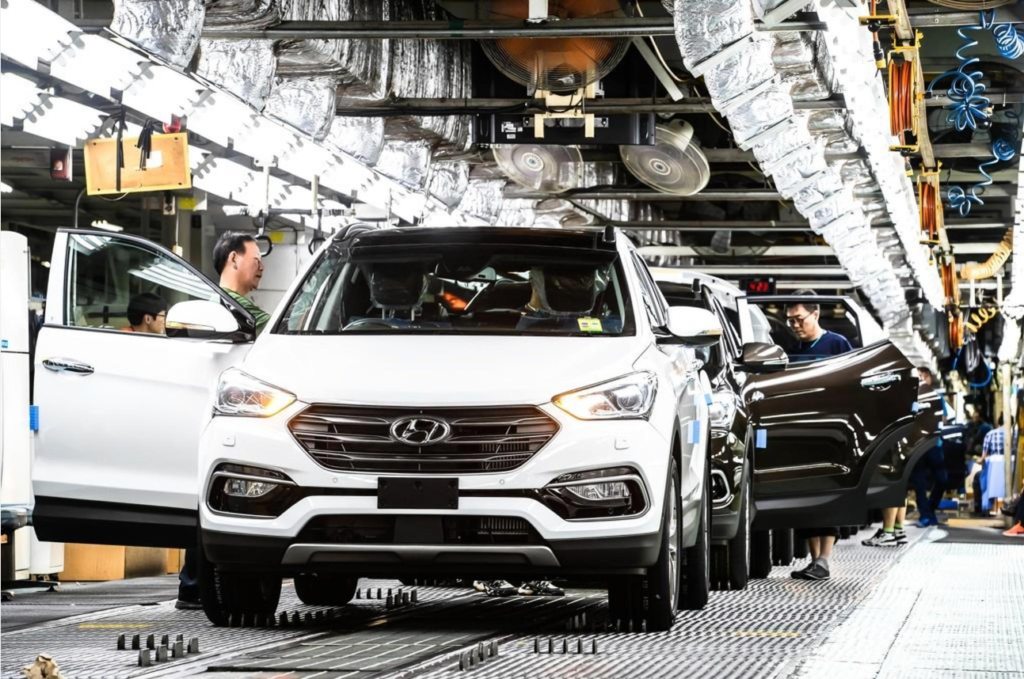
The growing use of tariffs and trade restrictions has changed how multinational companies evaluate production locations. For decades, international manufacturing strategies largely emphasized lower costs, specialized labour and efficient transportation networks. Those considerations remain important, but companies are increasingly incorporating political stability, market access and exposure to regulatory changes into their investment decisions.
The consequences are particularly visible in trade between the United States and China. According to UN Trade and Development, bilateral trade between the two economies has declined by more than 20% since 2024, while other East Asian economies have expanded commercial relationships with both markets. This suggests that international production networks are being reorganized rather than dismantled, with companies seeking alternative trading routes and suppliers while maintaining connections to established industrial centres.
The adjustment is not straightforward. Manufacturing industries frequently depend on components, machinery and technical expertise sourced from several countries. Moving final assembly to another economy does not necessarily eliminate reliance on Chinese materials or American technology. For businesses, diversification can reduce exposure to individual markets, but it can also introduce additional costs, logistical challenges and operational complexity.
Artificial Intelligence Is Becoming a Major Driver of International Trade
Despite growing geopolitical tensions, international trade has performed more strongly than many economists previously anticipated. In its October 2026 outlook, the World Trade Organization raised its forecast for merchandise trade volume growth this year to 3.9%, compared with an earlier projection of 1.9%. The improvement reflects substantial demand for products associated with artificial intelligence, alongside the ability of global suppliers to adjust to disruptions in energy and commodity markets.
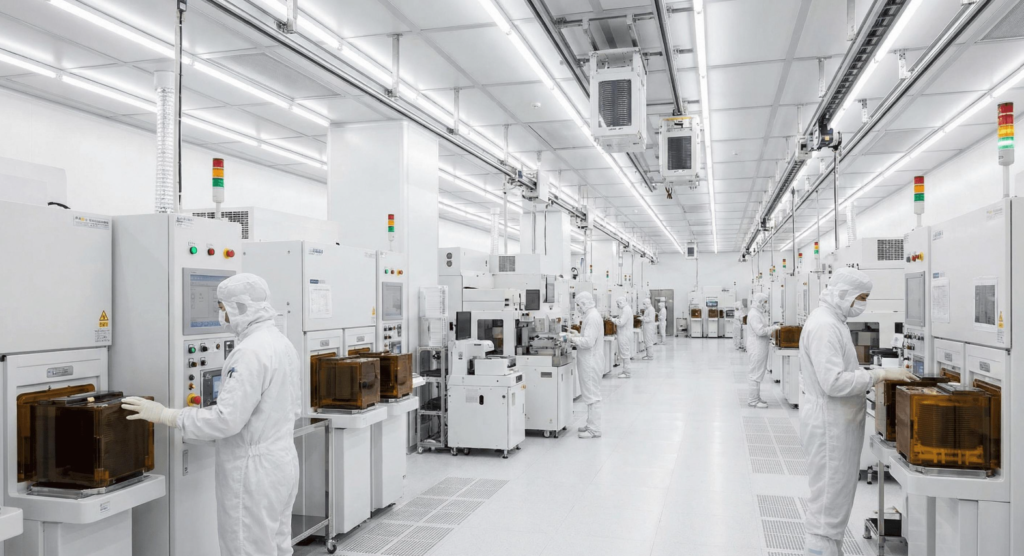
Trade in AI-enabling goods, including semiconductors and equipment used in data centres, increased by 67% during the first half of 2026 compared with the same period a year earlier. These products accounted for approximately 47% of the increase in the value of global merchandise trade over that period, demonstrating the growing influence of technology investment on international commercial activity.
However, the expansion also reveals an important imbalance. Advanced semiconductor production, specialized equipment manufacturing and high-performance computing infrastructure remain concentrated in a relatively small group of economies. Countries with established technological capabilities are positioned to capture substantial investment, while others may struggle to participate in the most profitable stages of production.
This concentration introduces a new dimension to international economic competition. Access to advanced chips, critical minerals, reliable electricity and specialized manufacturing equipment is becoming increasingly important to national industrial strategies. As governments seek to strengthen domestic technological capabilities, the boundaries between trade policy, economic security and industrial development are becoming less distinct.
Supply Chain Resilience Comes at an Economic Cost
For multinational companies, the central challenge is balancing efficiency with resilience. Maintaining several suppliers across different regions can reduce the consequences of political disputes or transportation disruptions, but it often requires additional investment. Companies may need to duplicate production capacity, increase inventories or establish new relationships with logistics providers, raising expenses that were previously minimized through highly concentrated supply chains.
The transportation industry is experiencing similar pressures. China’s extension of its suspension of special port fees on American-linked vessels illustrates how government decisions can directly influence maritime operating costs. Meanwhile, uncertainty surrounding labour negotiations at major American ports and elevated energy-related shipping expenses has reinforced the importance of maintaining flexible transportation arrangements.
These pressures can be especially difficult for smaller companies. Large corporations may possess the financial resources and international networks necessary to establish alternative suppliers, while smaller importers and manufacturers often depend on a limited number of commercial partners. As supply chains become more complicated, the ability to manage procurement, financing and logistics could become a more significant competitive advantage.
Emerging Economies Face New Opportunities and Competitive Pressures
The restructuring of global production could create opportunities for developing economies seeking to attract manufacturing investment. Countries with expanding industrial capacity, competitive infrastructure and access to international markets may benefit as companies diversify their operations. However, attracting investment requires more than relatively inexpensive labour or favourable geographical positioning.
Businesses increasingly evaluate electricity reliability, transportation networks, regulatory consistency and workforce capabilities when selecting production locations. Governments that improve these conditions may attract long-term industrial projects, while countries facing infrastructure shortages or unpredictable regulations could struggle to compete.
UNCTAD expects developing economies to expand by approximately 4% in 2026, although growth prospects vary considerably across regions. The organization has also warned that technological capabilities and access to investment remain unevenly distributed. This creates a risk that countries with established manufacturing and digital infrastructure will capture a disproportionate share of emerging opportunities.
For developing economies, the more important objective may therefore be moving beyond the export of raw materials or low-value manufactured goods. Greater investment in processing, technology, logistics and industrial skills could allow countries to participate in higher-value stages of international production, strengthening their long-term economic positions.
THE ABE TAKE: The Future of Global Trade Will Depend on Strategic Flexibility
China’s latest tariff extension demonstrates that the world’s largest economies continue to recognize the commercial importance of maintaining international trade, even as political and strategic disagreements persist. Temporary agreements can reduce immediate uncertainty, but they do not resolve the structural tensions influencing global commerce. Businesses are consequently operating in an environment where trade policy must be treated as a continuing commercial risk rather than an occasional disruption.
The more significant development is the changing definition of competitiveness. Low production costs and efficient logistics remain valuable, but companies must increasingly demonstrate the ability to withstand regulatory changes, supplier interruptions and geopolitical uncertainty. This does not necessarily favour businesses that abandon international production networks. Instead, it may reward those capable of maintaining global relationships while reducing excessive dependence on individual suppliers or markets.
Artificial intelligence adds another layer to this transformation. The rapid expansion of AI-related trade shows that technological innovation can create new international demand even when traditional trading relationships face pressure. Yet the concentration of advanced manufacturing capabilities raises questions about whether the benefits of this growth will be widely shared. Without greater investment in industrial capacity and technical expertise, many developing economies could remain consumers of sophisticated technology rather than significant participants in its production.
The next phase of globalization will likely be shaped by the interaction between economic efficiency, technological competition and national security priorities. Governments will continue seeking greater control over strategically important industries, while businesses will attempt to preserve access to international markets and specialized suppliers. The central challenge will be finding a balance that strengthens resilience without creating unnecessary barriers to commerce. Global trade is not disappearing, but the strategies required to compete successfully within it are becoming more demanding.
ABE MAGAZINE
Understand More. Think Bigger.