


November 10, 2026 | By ABE Editorial Desk
Manchester United’s financial performance illustrates one of the defining contradictions of modern football: a club can generate hundreds of millions of pounds in revenue while continuing to face substantial financial pressure. The English football giant reported record annual revenue of £677.6 million for the financial year ending June 30, 2026, alongside a net loss of approximately £43 million. The figures reflect the commercial strength of one of the world’s most recognised sporting institutions, but they also highlight the costs of maintaining a competitive football operation, investing in infrastructure and managing a business whose financial expectations increasingly extend beyond results on the pitch. For Manchester United, the central challenge is no longer simply generating revenue. It is converting global commercial influence into sustainable profitability while rebuilding its sporting competitiveness.
Record Revenue Does Not Guarantee Financial Strength
Manchester United’s latest annual results demonstrate the scale of the club’s commercial operations. Revenue comes from several sources, including broadcasting agreements, sponsorships, merchandise, matchday activities and other commercial partnerships.
The club’s worldwide following gives it access to sponsorship and licensing opportunities that many smaller football organisations cannot match. Its commercial relationships extend across international markets, allowing Manchester United to generate revenue from supporters and business partners far beyond England.
Yet revenue alone provides an incomplete picture of financial performance. Football clubs face substantial operating expenses, including player wages, transfer-related amortisation, coaching and administrative costs, stadium operations and financing obligations.
The distinction between revenue and profit is particularly important in an industry where competitive expectations encourage continuous spending. A club may strengthen its commercial position while simultaneously increasing the financial resources required to maintain its sporting ambitions.
Manchester United’s reported loss therefore raises a broader question about whether the economic model of elite football can consistently produce sustainable returns.
The Rising Cost of Competing at the Highest Level
Professional football has become an increasingly expensive industry, particularly for clubs seeking to compete in major European competitions.
Transfer fees, player contracts and the cost of recruiting experienced coaching and technical personnel can place considerable pressure on operating budgets. Clubs must also invest in training facilities, medical departments, scouting networks and youth development to maintain long-term competitiveness.
Unlike conventional businesses, football clubs cannot always reduce expenditure without affecting the quality of their core product. Competitive performance influences broadcasting income, prize money, sponsorship attractiveness and the ability to recruit leading players.
This creates a difficult financial relationship. Stronger sporting results can increase revenue, but achieving those results often requires substantial investment before the financial benefits become available.
For Manchester United, rebuilding a competitive squad while maintaining financial discipline is therefore a central management challenge. Spending must be evaluated not only through immediate sporting expectations but also through its long-term effect on the club’s financial position.
Old Trafford and the Economics of Stadium Investment
Infrastructure represents another major consideration for Manchester United’s ownership and management.
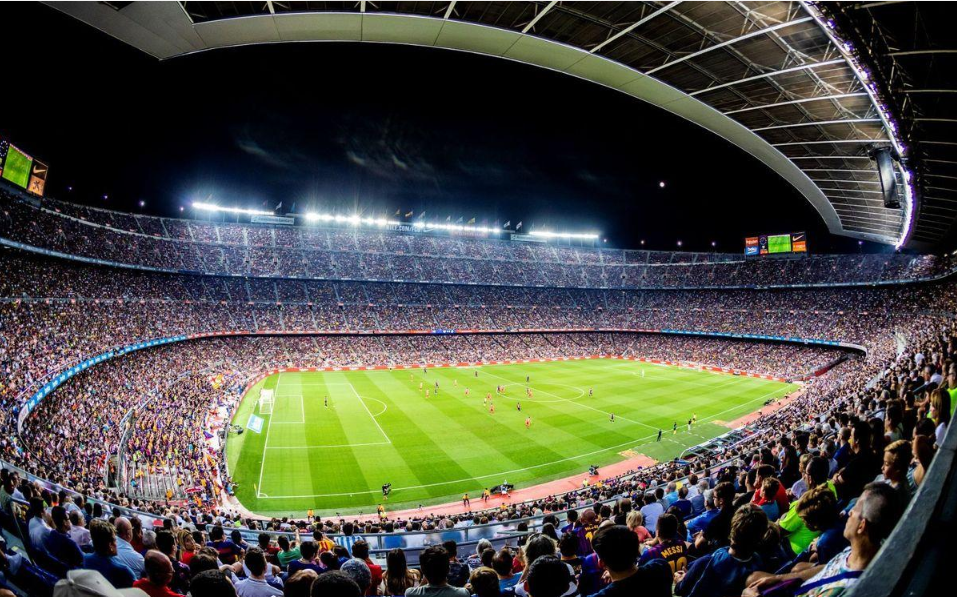
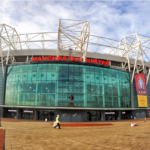
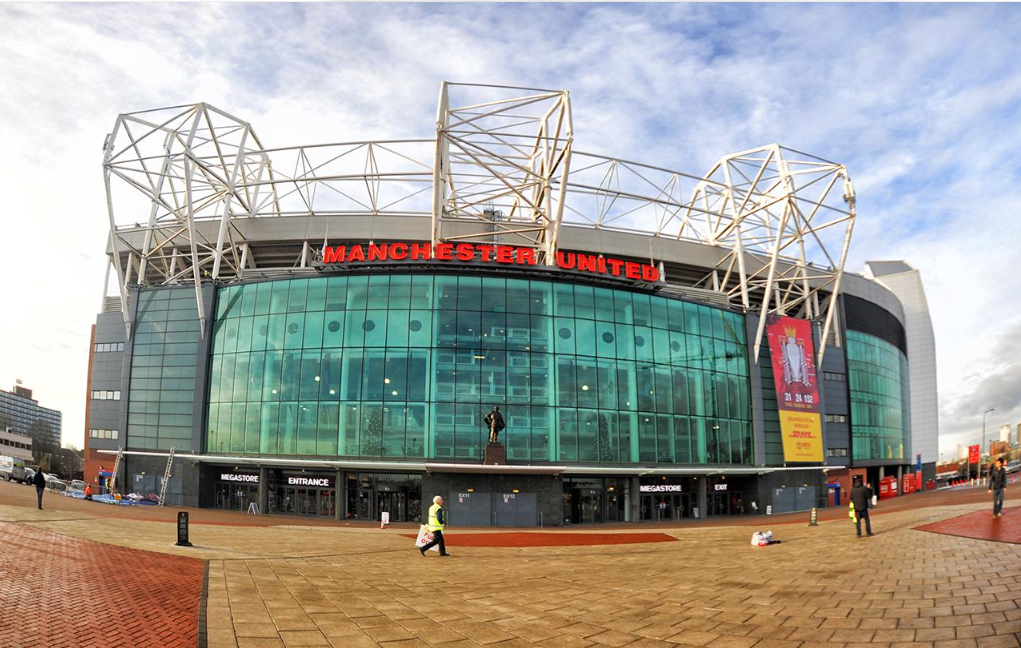
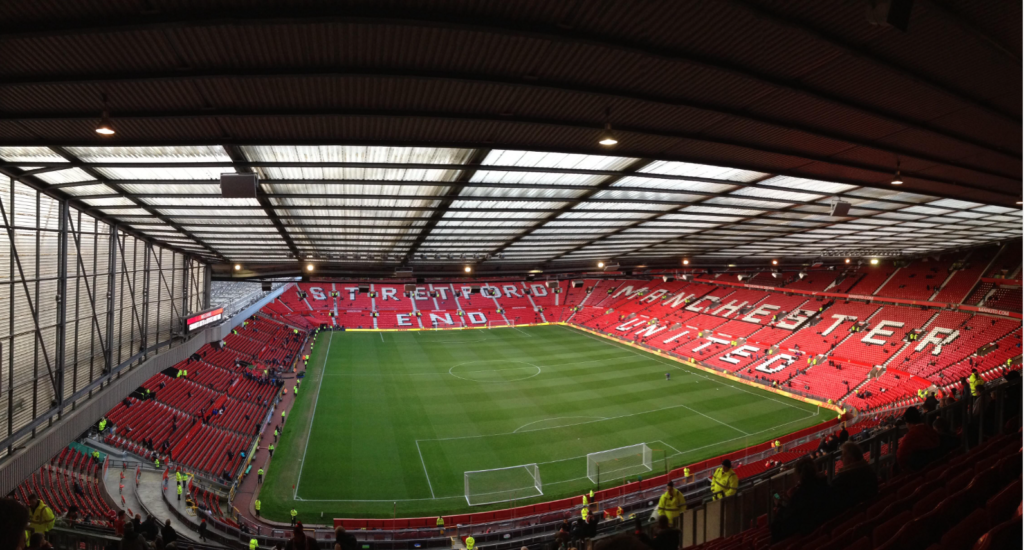
Old Trafford remains one of the most recognisable football stadiums in the world, but discussions surrounding its redevelopment or potential replacement have raised questions about the financial commitments required to modernise the club’s facilities.
A major stadium project could expand hospitality offerings, improve the supporter experience and create additional opportunities for commercial activity. Modern venues increasingly generate revenue through premium seating, events, sponsorship arrangements and facilities operating beyond matchdays.
However, the financial benefits of stadium development must be weighed against construction costs, borrowing requirements and the time needed to recover the initial investment.
Large infrastructure projects can also introduce risks related to planning, financing, construction delays and uncertain future demand.
For Manchester United, the challenge is to ensure that stadium investment supports the club’s long-term commercial position without creating financial obligations that restrict spending on football operations.
Global Supporters Are a Major Commercial Asset
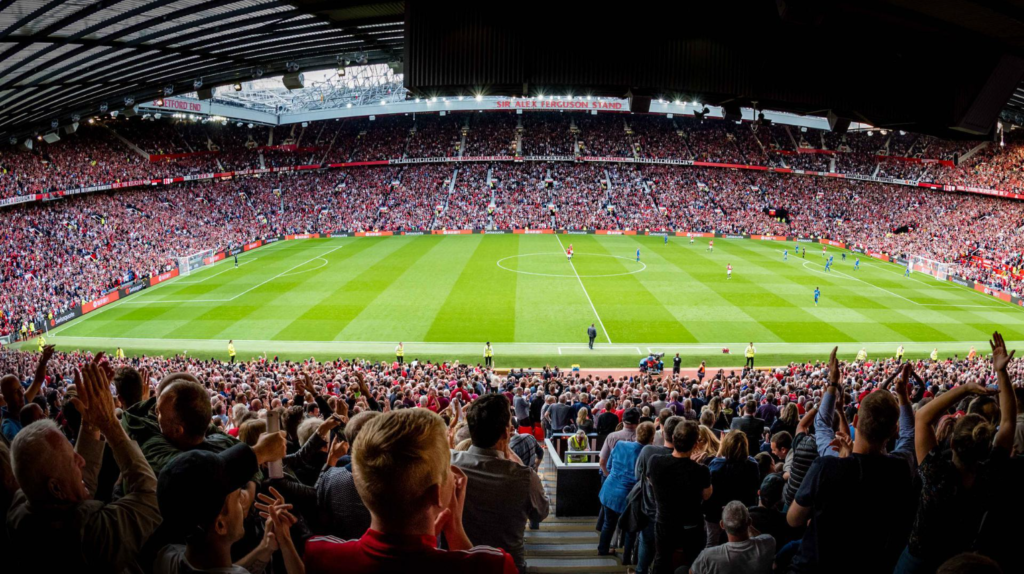
Manchester United’s international reputation remains one of its strongest economic advantages. The club has developed commercial relationships across multiple regions, supported by decades of sporting history, global media exposure and a substantial international fan base.
This global recognition allows Manchester United to compete for sponsorship agreements and merchandise sales at a scale unavailable to most professional clubs.
However, the value of a football brand is not entirely independent of sporting performance. Prolonged periods of disappointing results can affect supporter engagement, commercial momentum and the attractiveness of new partnerships.
The growing importance of digital media has also changed how clubs interact with supporters. Football organisations now compete for attention across streaming platforms, social networks, digital merchandise channels and international entertainment markets.
Manchester United must therefore manage its identity as both a sporting institution and a global consumer-facing business.
Maintaining that balance requires commercial growth without weakening the emotional connection between the club and its supporters.
Ownership, Investment and Financial Accountability
Manchester United’s financial position also reflects the increasing complexity of football club ownership.
Major clubs attract investors because of their global brands, commercial potential and the long-term value of sporting assets. Yet ownership brings responsibilities extending beyond capital appreciation.
Investors must consider the costs of maintaining competitive teams, developing infrastructure, managing debt and responding to regulatory requirements.
The involvement of Sir Jim Ratcliffe and INEOS in Manchester United’s football operations has intensified attention on the club’s management structure, recruitment strategy and efforts to improve operational efficiency.
Financial restructuring can strengthen a business when it reduces unnecessary expenditure and improves decision-making. However, cost reductions must be balanced against the resources required to maintain sporting performance and support the organisation’s workforce.
For Manchester United, effective governance will be measured through both financial discipline and the ability to establish a credible long-term football strategy.
What Manchester United Reveals About Modern Football
The financial challenges facing Manchester United are not unique to the club. Across European football, organisations are seeking ways to expand revenue while controlling expenditure and complying with financial regulations.
Broadcasting rights, international sponsorships and premium stadium experiences have helped transform football into a major global entertainment industry. At the same time, competition for players and sporting success continues to place pressure on profitability.
Clubs with strong commercial brands may possess greater financial flexibility, but they are not immune to rising operating costs or poor investment decisions.
For investors, this makes football a distinctive business sector. Financial performance depends on commercial management, but it is also influenced by sporting outcomes that remain inherently uncertain.
Manchester United’s experience demonstrates why the success of an elite football organisation cannot be evaluated through revenue growth alone.
THE ABE TAKE
Manchester United’s record revenue highlights the difference between commercial scale and financial sustainability. The club possesses one of the most valuable brands in international football, supported by a global audience and substantial commercial relationships. Yet those advantages do not automatically produce consistent profits. The financial demands of elite competition require management to make difficult decisions about player investment, infrastructure and operating expenditure.
The club’s situation also challenges a common assumption about the economics of modern sport: that greater popularity necessarily creates a stronger business. Revenue growth can provide opportunities, but its benefits depend on how effectively that income is allocated. Poor recruitment decisions, excessive costs or poorly structured infrastructure investments can weaken financial performance even when commercial activity remains strong.
For Manchester United, the next stage of development must bring sporting and financial objectives into closer alignment. Sustainable success requires a competitive team, disciplined capital allocation, reliable management and infrastructure investment that generates measurable long-term value. These objectives should reinforce one another rather than compete for limited resources.
The wider lesson extends throughout international football. As clubs become increasingly valuable commercial institutions, investors and supporters will expect greater accountability for how financial resources are managed. Manchester United’s future will depend not simply on how much money the club earns, but on whether it can transform that revenue into lasting sporting competitiveness and financial stability.
ABE MAGAZINE
Understand More. Think Bigger.