







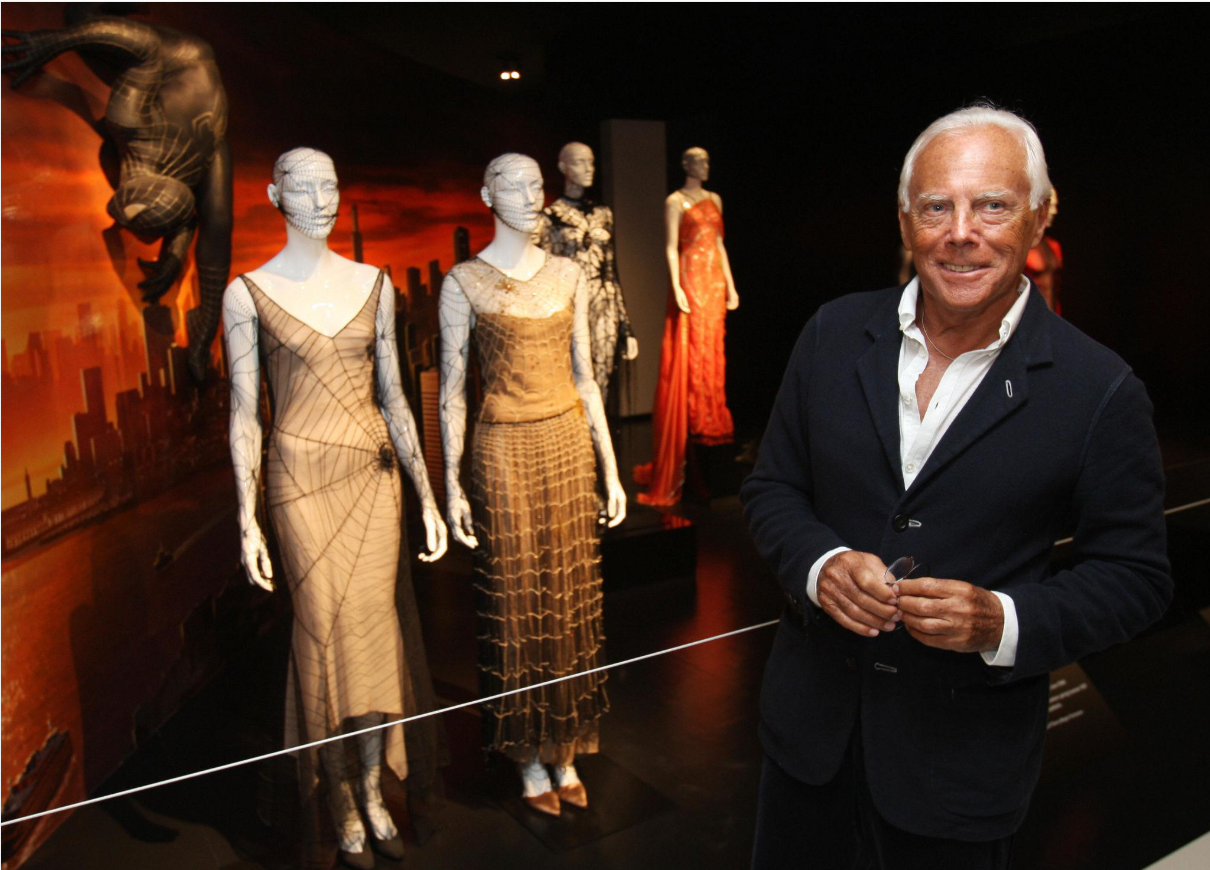
As Giorgio Armani’s heirs consider acquiring part of the fashion house’s proposed stake sale, the Italian luxury group faces a defining transition involving family ownership, outside investment and the preservation of its founder’s legacy.
By ABE Editorial Desk | ABE Magazine
November 28, 2026
For decades, Giorgio Armani represented more than Italian fashion. His company demonstrated how an entrepreneur could transform a distinctive creative philosophy into an internationally recognized business without surrendering ownership to a larger corporation. While much of the luxury industry consolidated around multinational groups, Armani maintained its independence. That independence is now facing its greatest institutional test following the founder’s death in September 2025.
According to Reuters reporting on November 27, several of Armani’s heirs are considering purchasing a portion of the company earmarked for sale. French cosmetics giant L’Oréal and eyewear manufacturer EssilorLuxottica are also involved in potential investment discussions. Although negotiations remain unfinished, the proposed ownership arrangements could influence the company’s direction for generations. The challenge extends beyond fashion to the broader question of how founder-led enterprises survive succession.
The Empire Giorgio Armani Built
Founded in Milan in 1975, Armani developed into an international luxury business with interests extending far beyond clothing. Its activities span fashion, fragrances, accessories, interior design and hospitality. This diversification allowed the company to establish several commercial relationships with consumers while maintaining a recognizable brand identity. Underlying these activities was a design philosophy that emphasized elegance, restraint and sophistication.
Armani’s achievement was particularly significant because the company developed independently in an industry increasingly dominated by conglomerates. Independence allowed its founder to maintain considerable influence over creative decisions, commercial partnerships and long-term investments. It also meant that the company became closely associated with the judgment of one individual. Transferring that authority to a permanent institutional structure is now one of its most important responsibilities.
A Carefully Designed Ownership Transition
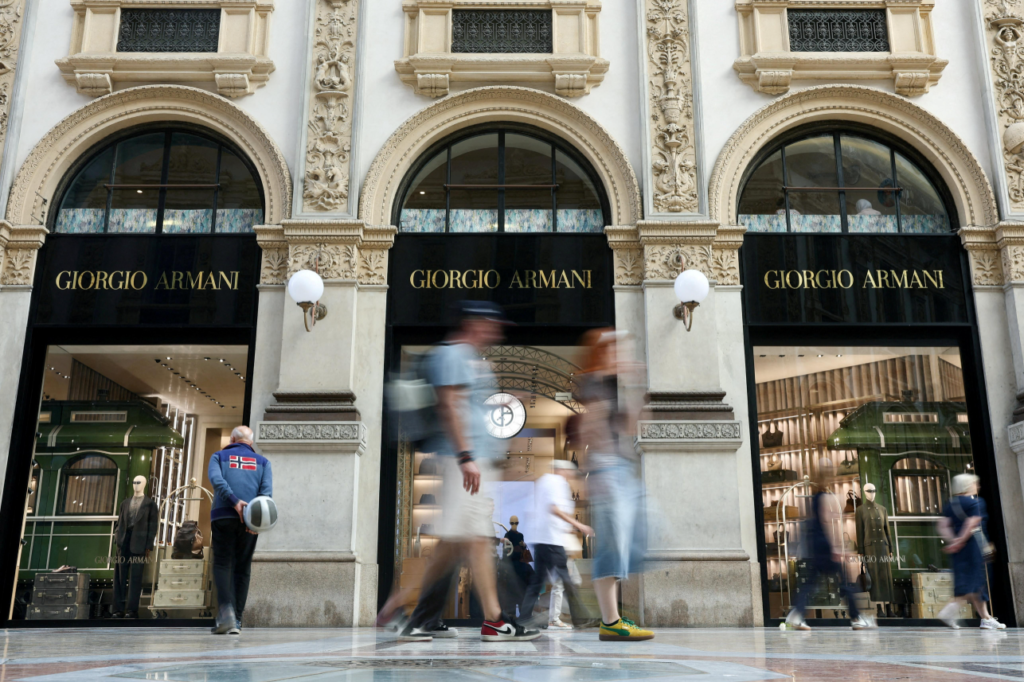
Rather than leaving the company’s direction entirely to his successors, Armani established a framework for introducing outside investors. His succession arrangements envision an initial sale of approximately 15% of the business, followed by a potentially larger disposal or stock market listing. The planned transition provides an opportunity to introduce additional shareholders without immediately placing the company under another organization’s control.
The latest reported discussions suggest that L’Oréal could acquire approximately 10% of Armani, with smaller holdings potentially going to EssilorLuxottica and members of the founder’s inner circle. Such an arrangement would distribute ownership among several parties instead of concentrating the initial investment in one buyer. However, the proposed allocation remains subject to negotiation, and no completed transaction has been announced.
The distinction between economic ownership and strategic control will be particularly important. Minority shareholders can benefit financially from a company’s performance without necessarily directing its operations. The eventual governance arrangements will therefore matter as much as the percentages attached to individual investments.
Why L’Oréal and EssilorLuxottica Are Interested
For L’Oréal, an investment in Armani would represent more than an opportunity to participate in the luxury fashion industry. The companies already have an established commercial relationship through Armani’s beauty licensing agreement. An ownership position could strengthen the alignment between the international cosmetics group and one of its important luxury partners.
EssilorLuxottica has a similarly strategic relationship with Armani through eyewear. Luxury eyewear allows fashion houses to extend their identity into products that reach customers beyond their traditional clothing business. Established licensing arrangements also enable specialist manufacturers to contribute expertise, distribution and production capabilities without requiring fashion houses to develop every operation internally.
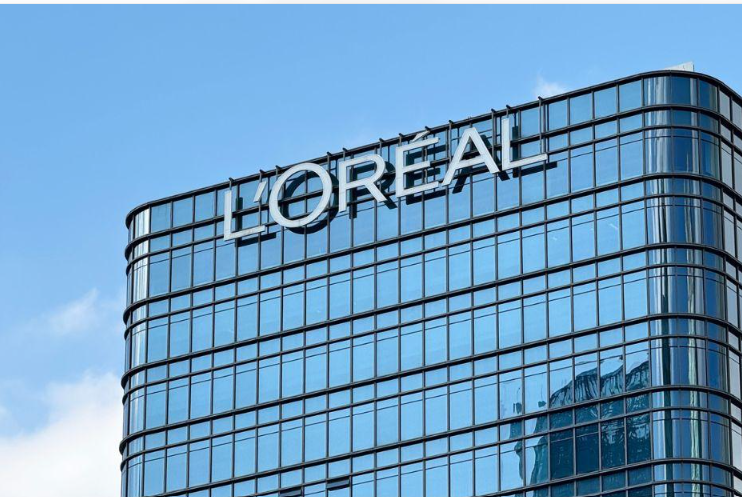
These relationships illustrate an important feature of the luxury industry’s business model. A brand can generate considerable economic value without directly manufacturing every product carrying its name. Ownership of intellectual property, brand reputation and customer relationships can be just as important as ownership of physical production facilities.
Preserving Independence in an Industry of Conglomerates
The modern luxury industry increasingly rewards companies with international distribution networks, substantial marketing resources and diversified brand portfolios. Large conglomerates can spread operating expenses across multiple businesses while investing in retail locations, manufacturing capabilities and emerging markets. Independent fashion houses, by contrast, must develop these capabilities with fewer opportunities to distribute costs.
Nevertheless, independence provides meaningful advantages. It can allow management to prioritize brand reputation over immediate financial returns and pursue strategies that might be difficult within a larger corporate portfolio. For Armani, maintaining creative autonomy could help protect the distinctive characteristics that separate the company from competing luxury brands.
The heirs’ reported preference for an eventual public listing introduces another strategic possibility. A listing could provide access to international capital without automatically requiring a sale to a competing luxury group. However, public ownership would introduce additional reporting obligations, shareholder expectations and pressure to demonstrate consistent financial performance.
The Financial Challenge Behind the Transition
The ownership discussions are taking place amid difficult conditions for the luxury industry. Armani generated approximately €2.19 billion in net revenue in 2025, representing a decline of 2.8% at constant exchange rates. Despite weaker revenue, the group recorded improvements in operating profitability, indicating that lower sales did not translate directly into deteriorating earnings.
The company’s performance highlights the importance of disciplined management during succession. Preserving a founder’s reputation alone cannot guarantee commercial success. Management must also respond to changing consumer preferences, develop attractive products and allocate resources effectively across international markets.
The responsibility facing chief executive Giuseppe Marsocci and the company’s leadership is therefore twofold. They must protect Armani’s established identity while creating a business capable of remaining competitive without its founder’s direct involvement. That requires an institution with its own decision-making capabilities rather than one permanently dependent on its historical leadership.
THE ABE TAKE | Building an Empire That Outlives Its Founder
The Armani succession offers an important lesson for entrepreneurs and business owners. Creating a successful enterprise and establishing an institution capable of surviving its founder are two fundamentally different achievements. The first requires vision, ambition and commercial execution. The second demands governance, succession planning, financial discipline and the willingness to distribute responsibility.
Outside investment does not necessarily represent the disappearance of entrepreneurial independence. When structured carefully, it can provide resources, expertise and commercial stability while protecting the qualities that made a company successful. Equally, retaining family ownership does not automatically guarantee institutional strength if management lacks the freedom to adapt.
Armani’s greatest legacy may ultimately be determined by whether the company can preserve its identity while continuing to evolve. The true measure of a business empire is not simply how powerful it becomes during its founder’s lifetime, but whether its influence can endure long after that founder is gone.
Understand More. Think Bigger.