





Dior is entering a new creative chapter under Jonathan Anderson. Its latest Lady Dior campaign, featuring Rihanna and her daughter Rocki, brings together contemporary fashion, motherhood and individual expression. Behind the photographs lies a broader question about how historic luxury houses remain culturally relevant without losing their identity.
By ABE Editorial Desk | ABE Magazine
Friday, November 27, 2026
A New Expression of French Luxury
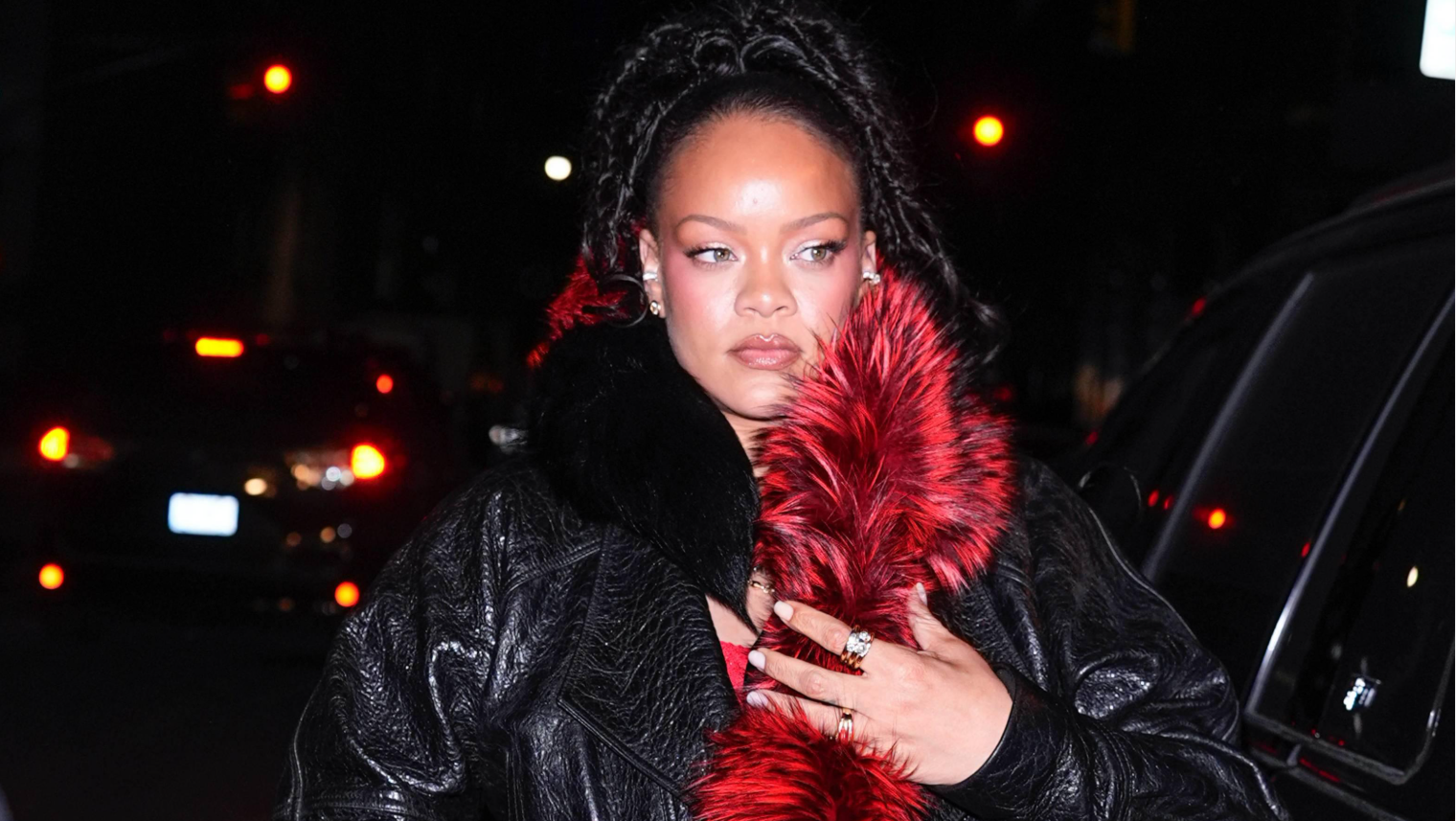
French fashion house Dior is presenting a more intimate interpretation of luxury through its newly unveiled Lady Dior 2027 campaign. Released on November 19, the campaign features Rihanna alongside her daughter, Rocki Irish Mayers. Photographer Sam Rock captures the pair in a series of portraits under the creative direction of Jonathan Anderson. The images depart from conventional displays of luxury by placing personal identity and human relationships at the centre of the presentation.
In one photograph, Rihanna and her daughter appear in coordinated black leather jackets beside a pale pink Lady Dior handbag. The contrast between the structured leather and the delicate handbag creates a distinctive balance between strength and softness. Other portraits adopt a quieter approach, emphasizing the relationship between mother and daughter. Together, the photographs present femininity as something that can embrace several identities rather than follow a single definition.
Jonathan Anderson’s Vision for Dior
Jonathan Anderson’s appointment as Dior’s creative director in June 2025 marked a significant moment in the history of the French fashion house. The Northern Irish designer assumed responsibility for its women’s, men’s and haute couture collections. This arrangement created an opportunity to develop a more unified creative identity across Dior’s different fashion divisions. It also placed considerable responsibility on Anderson to reinterpret one of the most recognizable names in luxury.
Before joining Dior, Anderson became widely associated with the transformation of Spanish luxury house Loewe. His approach combined traditional craftsmanship with experimental design, artistic collaboration and contemporary cultural references. At Dior, he faces the challenge of applying that creative imagination to a house with considerably different traditions. His success will depend partly on maintaining a connection between innovation and the established character of French elegance.
The new Lady Dior campaign provides an early indication of how that balance might develop. Anderson retains one of the house’s most recognizable accessories while introducing a contemporary visual narrative around it. Rather than relying entirely on conventional glamour, the campaign explores a more personal expression of luxury. This allows Dior to reinterpret its heritage without abandoning the elements that make the brand distinctive.
Rihanna’s Growing Influence in Luxury Fashion
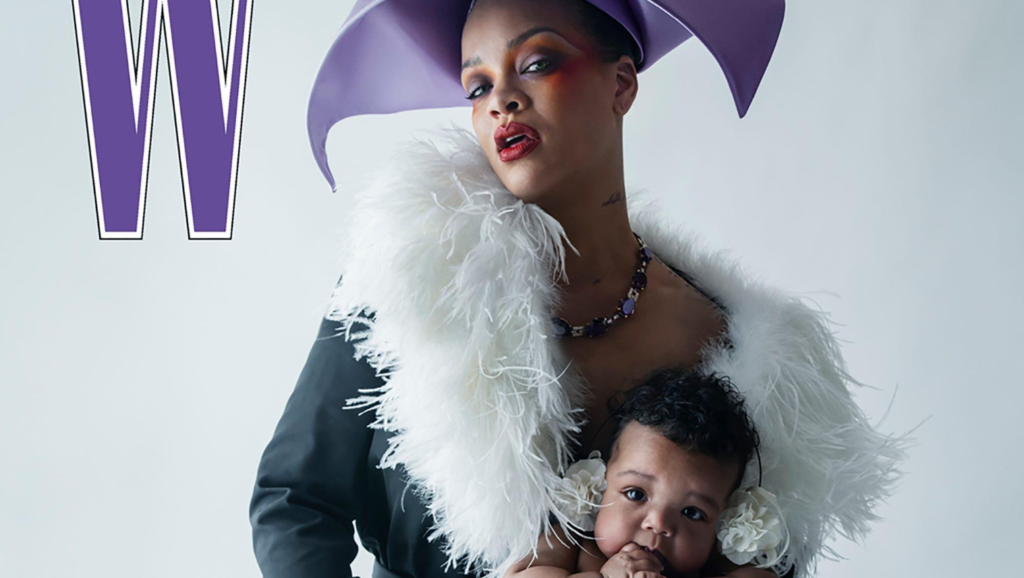
Rihanna’s relationship with Dior extends beyond the latest campaign. She first appeared in the house’s advertising in 2015 and became the face of its J’adore fragrance in 2024. Her career across music, beauty and fashion has established her as a recognizable figure within contemporary popular culture. For Dior, that influence provides a connection to audiences whose interests extend beyond traditional luxury fashion.
Her appearance alongside her daughter introduces another dimension to the partnership. Rather than presenting celebrity status as an isolated expression of glamour, the campaign incorporates motherhood into its visual identity. It suggests that elegance can exist alongside the responsibilities and personal experiences that shape everyday life. The approach offers a different perspective on how luxury brands communicate with contemporary women.
The creative decision also reflects the wider influence of cultural figures within fashion. Celebrities increasingly contribute to how consumers interpret a brand’s personality and relevance. Their influence can help established fashion houses reach younger audiences and participate in broader cultural conversations. However, successful partnerships require a meaningful connection between the personality of the ambassador and the heritage of the brand.
Lady Dior and the Enduring Power of Heritage
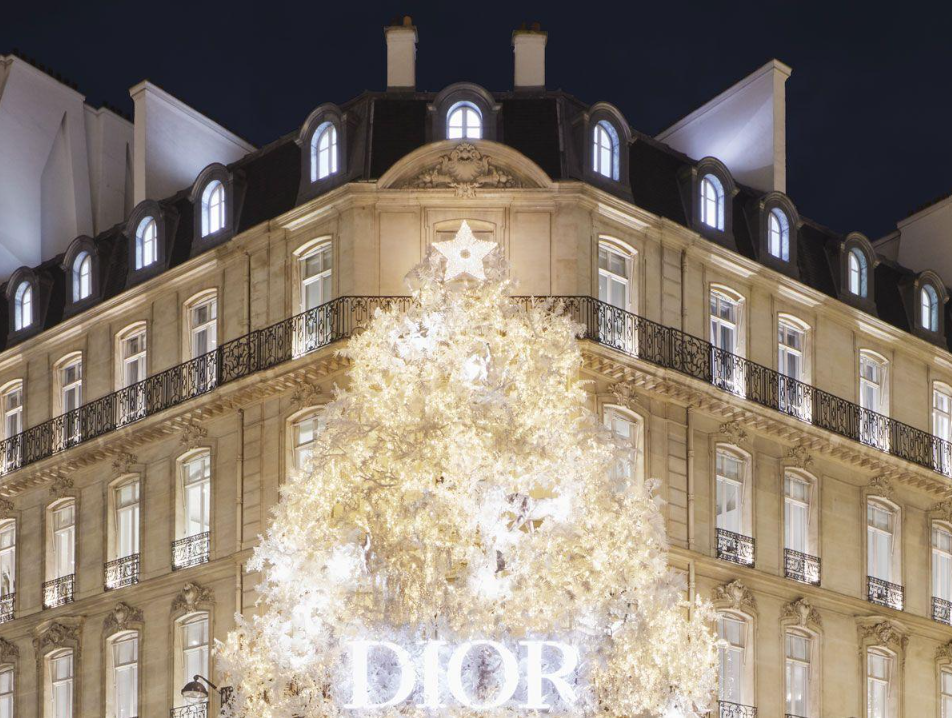
At the centre of the campaign is a handbag that has become closely associated with French luxury. The Lady Dior gained international recognition during the 1990s through its association with Diana, Princess of Wales. Its distinctive Cannage quilting, structured silhouette and decorative letter charms have remained recognizable across successive generations. Much of its appeal comes from the continuity of these design elements.
Anderson’s latest campaign demonstrates how an established product can acquire new cultural meaning without undergoing a complete redesign. The pale pink handbag featured alongside Rihanna retains the familiar characteristics of the Lady Dior. Its presentation, however, places it within a different interpretation of femininity and contemporary fashion. The accessory becomes part of a broader story rather than simply an object displayed for admiration.
This relationship between heritage and reinvention remains central to the luxury industry. Historic fashion houses possess design archives and established products that newer competitors cannot easily reproduce. Nevertheless, relying too heavily on past achievements can make a brand appear disconnected from contemporary culture. Creative directors must therefore find ways to introduce fresh ideas while preserving the qualities that give those products lasting value.
Fashion Is Becoming More Personal
The campaign’s accompanying film, directed by Melina Matsoukas, extends its themes beyond still photography. Its soundtrack features the 1972 composition Lady by Nigerian musician Fela Kuti. The musical choice introduces another cultural dimension to a campaign already built around questions of womanhood and identity. It also demonstrates how contemporary French fashion increasingly draws inspiration from cultural traditions beyond Europe.
Luxury advertising has traditionally relied on carefully constructed settings that communicate distinction and exclusivity. Although those elements remain important, some campaigns now place greater emphasis on individual experiences and emotional connections. Dior’s latest presentation illustrates how personal narratives can exist within a sophisticated fashion aesthetic. The result is a campaign that invites audiences to consider the meaning behind the imagery as well as the product itself.
There are nevertheless risks associated with this approach. An emphasis on celebrity and personal storytelling can sometimes overshadow the craftsmanship that distinguishes a luxury accessory. Fashion houses must ensure that cultural relevance does not come at the expense of product identity. The commercial effectiveness of Dior’s campaign will ultimately depend on how consumers respond to that balance, and its sales impact is not yet established.
THE ABE TAKE | The Future of French Luxury Lies in Reinvention
Dior’s latest campaign illustrates the delicate relationship between tradition and cultural evolution. The French fashion house continues to draw upon an identity developed over decades, yet its creative leadership recognizes the importance of engaging with a changing audience. Rihanna brings a contemporary cultural presence, while the Lady Dior handbag maintains a recognizable connection to the house’s history. Jonathan Anderson’s challenge is to ensure that these elements strengthen rather than compete with one another.
The broader lesson extends beyond Dior. Luxury is not sustained exclusively through high prices, exclusivity or celebrity associations. Its enduring appeal depends on craftsmanship, distinctive design and the ability to remain meaningful across generations. Fashion houses that combine these qualities with thoughtful creative experimentation may be better positioned to preserve their influence.
For Anderson, the latest campaign represents another step in defining his interpretation of Dior. It is too early to determine whether his creative strategy will deliver lasting commercial success. Nevertheless, the campaign demonstrates that reinvention does not always require abandoning established designs. Sometimes, the most effective transformation comes from presenting something familiar through an entirely different cultural perspective.
The future of French luxury may depend less on preserving the past exactly as it was and more on discovering how its heritage can speak to the present.
Understand More. Think Bigger.