




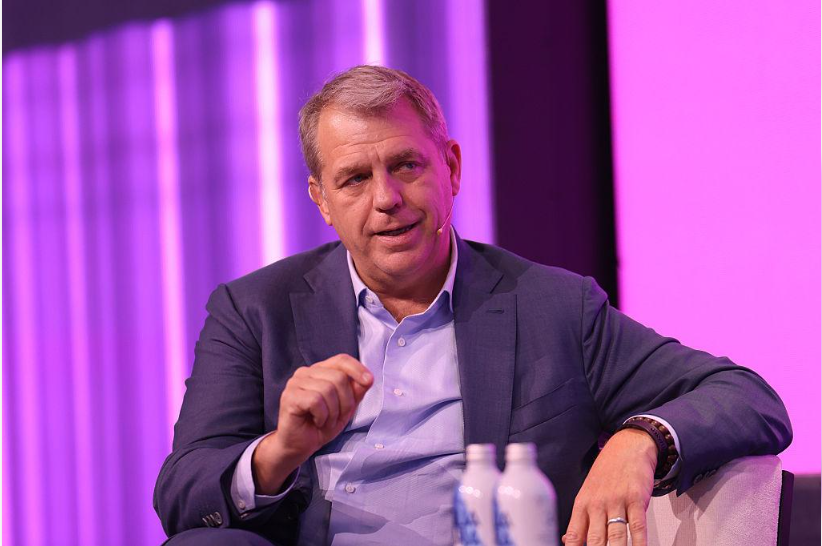
From professional sports and entertainment to financial services and strategic energy infrastructure, Todd Boehly has built business interests across several industries. Now, the American billionaire is leading a proposed $10 billion acquisition of Lukoil’s international assets. The agreement illustrates how private capital is becoming increasingly influential in industries shaped by national security and geopolitics.
By ABE Editorial Desk | ABE Magazine
Friday, November 27, 2026
From Sports Ownership to Global Energy
Todd Boehly is entering a new chapter in his investment career. The American billionaire is leading a consortium that has reached an agreement to acquire the international operations of Russian energy company Lukoil. Announced on November 25, the proposed transaction involves an exchange of securities valued at approximately $10 billion. Its completion would represent a significant expansion of Boehly’s business interests into global energy infrastructure.
Through his investment group, Eldridge, Boehly has established interests in industries ranging from insurance and asset management to entertainment and professional sports. He has held ownership stakes in the Los Angeles Dodgers and Los Angeles Lakers and helped lead the acquisition of Chelsea Football Club in 2022. These investments have given him experience in acquiring businesses with valuable assets and established commercial networks. However, the proposed Lukoil transaction introduces greater exposure to international politics, commodity markets and regulatory uncertainty.
How Todd Boehly Built His Business Empire

Before establishing Eldridge in 2015, Boehly developed his career in investment management and corporate finance. He previously served as president of Guggenheim Partners, where he gained experience in financing and investment strategy. His subsequent expansion into business ownership reflected a broader approach to wealth creation. Rather than concentrating on a single operating company, Boehly developed interests across several sectors through investment partnerships and acquisitions.
His business model illustrates an important distinction between entrepreneurship and capital allocation. Some billionaires build their fortunes by developing a single product or company, while others accumulate ownership positions across established businesses. Boehly’s career has largely followed the latter approach, using financial expertise to identify and structure investment opportunities. This model can support expansion without requiring investors to establish every business from the ground up.
Inside the $10 Billion Lukoil Agreement
The proposed acquisition is not a conventional corporate takeover. Instead of making a straightforward cash payment, the consortium intends to exchange restricted Russian securities for Lukoil’s international business. Reuters reported that people familiar with the transaction estimated the underlying portfolio’s value at approximately $16 billion. The difference between the reported transaction value and the portfolio valuation illustrates both the potential opportunity and the uncertainty surrounding the assets.
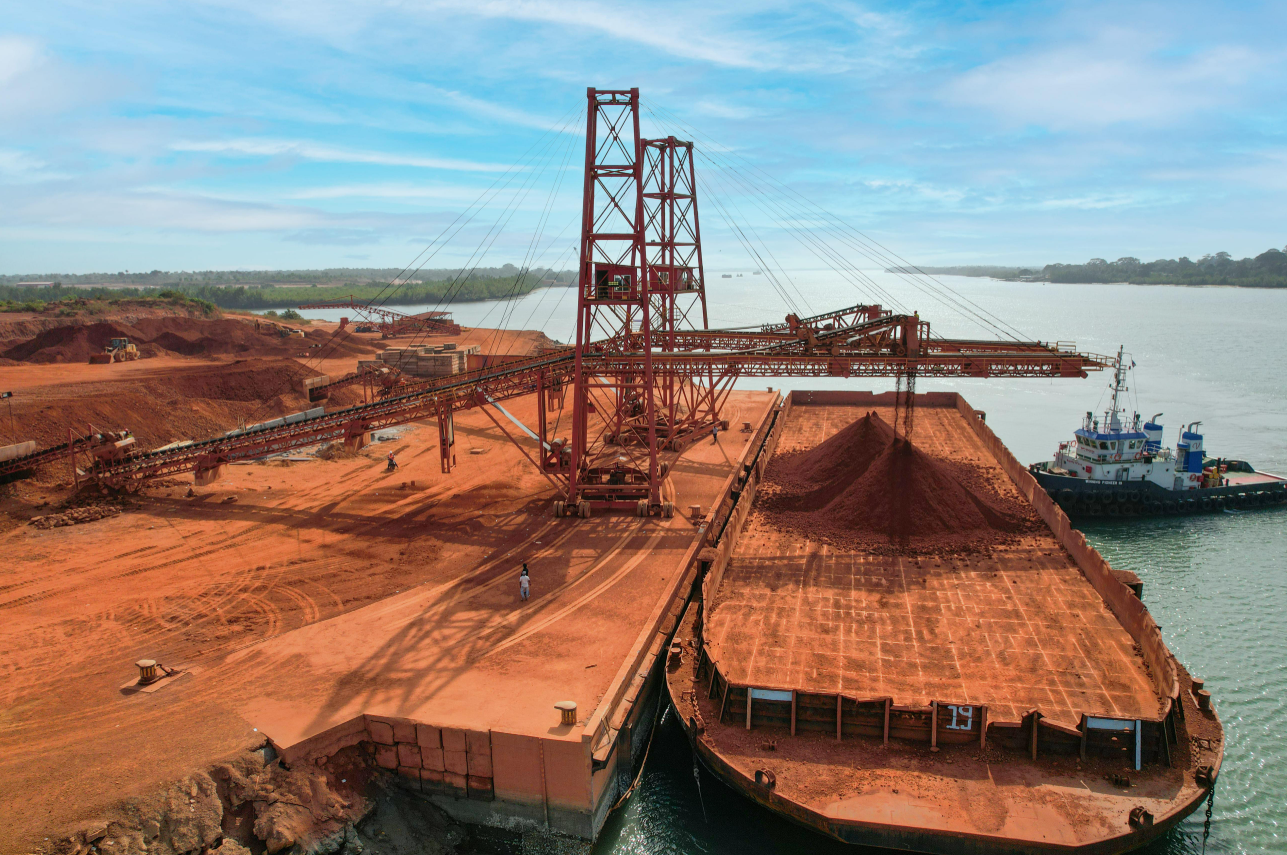
The international portfolio includes oil and gas production, European refineries, fuel retail operations and associated infrastructure. Its upstream operations produce approximately 350,000 barrels of oil equivalent per day, according to reporting on the agreement. These assets connect several stages of the energy supply chain, from resource extraction to the distribution of finished products. Their commercial significance extends beyond oil prices because they support industries, transportation networks and national energy systems.
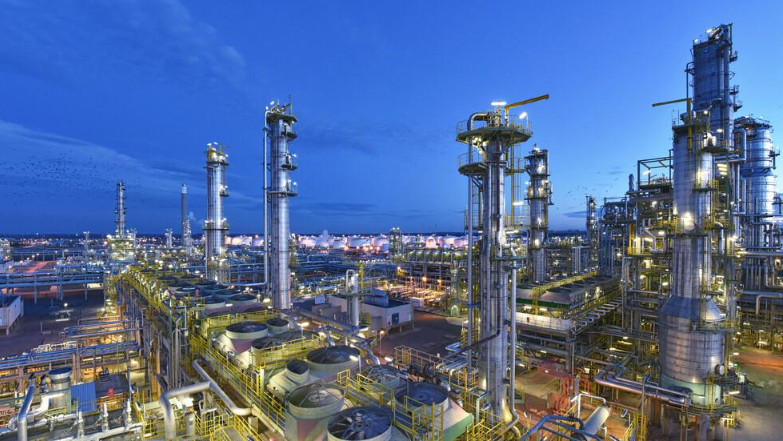
The acquisition opportunity emerged after the United States imposed sanctions on Lukoil in October 2025. Those restrictions increased pressure on the Russian company to dispose of its overseas operations. Earlier acquisition efforts encountered regulatory difficulties or failed to reach completion. Boehly’s consortium is therefore attempting to acquire a complex portfolio under circumstances that would be unusual in a conventional market.
Why the American Government Is Involved
One of the most significant features of the agreement is the participation of the U.S. International Development Finance Corporation. The government agency is expected to obtain an ownership interest and board representation if the transaction proceeds. Reuters also reported that the government would participate in future profits after private investors recover their capital and receive agreed returns. The precise ownership percentage has not been publicly disclosed.
Washington views the ownership of strategic energy infrastructure as an important economic and national security consideration. Transferring assets away from Russian corporate control could reduce Moscow’s influence over certain international energy operations. Maintaining those operations could also help limit disruptions in markets that depend on existing infrastructure. However, the arrangement raises questions about how governments should participate in commercial acquisitions.
Critics argue that exchanging securities with a sanctioned company could weaken the intended economic pressure on Russia. Supporters maintain that transferring strategic assets to American and allied investors would advance national security objectives. The proposed escrow arrangements are intended to address concerns about the Russian company receiving unrestricted financial benefits. Ultimately, regulators must determine whether the transaction satisfies applicable sanctions and national security requirements.
The Investment Logic Behind Distressed Assets
Distressed investments can create significant opportunities for investors with sufficient capital and patience. Companies facing financial, political or regulatory pressure may have limited choices when selling valuable assets. Buyers capable of navigating complex negotiations can sometimes acquire businesses at prices below their perceived long-term value. However, a lower acquisition price does not automatically translate into a successful investment.
Energy infrastructure requires substantial operating expenditure, technical expertise and continued investment. Refineries must remain commercially viable, while oilfields depend on production costs, reserves and market prices. Political disputes and local ownership requirements can introduce further complications for international investors. Boehly’s consortium must therefore assess the portfolio’s long-term operating performance rather than relying exclusively on its reported valuation.
The transaction also demonstrates the importance of partnerships when pursuing large acquisitions. Even wealthy investors may prefer to distribute financial exposure across several institutions. Partnerships can provide additional funding, technical knowledge and access to regulatory expertise. However, they also require agreement over ownership, responsibilities and the distribution of future returns.
THE ABE TAKE | The Next Frontier of Billionaire Wealth
Todd Boehly’s proposed energy acquisition highlights the evolving nature of corporate ownership. The world’s largest private investors increasingly operate across industries that were once dominated by specialist companies or governments. Their competitive advantage often lies in access to capital, financial structuring and the ability to coordinate complex partnerships. This allows them to pursue opportunities that smaller investors cannot easily access.
Nevertheless, strategic infrastructure introduces responsibilities that extend beyond conventional financial performance. Energy assets affect national economies, international relationships and the daily lives of millions of consumers. Private investors entering these industries must therefore balance commercial objectives with regulatory obligations and broader economic interests. Their ability to secure government cooperation may be as important as their financial resources.
For Boehly, the proposed Lukoil acquisition represents an opportunity to expand into an industry with substantial physical assets and global economic importance. But the agreement remains subject to regulatory approval, and its eventual profitability cannot be assumed. The reported valuation difference may indicate significant potential, although political uncertainty and operating requirements could reduce future returns. The real test will come if the consortium completes the acquisition and assumes responsibility for the underlying businesses.
Boehly’s expansion demonstrates that building a business empire is not simply about accumulating wealth. It is also about understanding where capital can create value, securing strategic ownership and managing the risks that accompany greater economic influence.
Understand More. Think Bigger.