

Behind one of the world’s most recognizable luxury brands lies an unconventional ownership structure, a carefully controlled distribution network and a business philosophy built around independence, reputation and long-term value.
By ABE Editorial Desk | ABE ORIGINAL
November 28, 2026
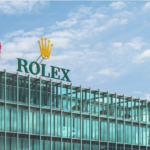
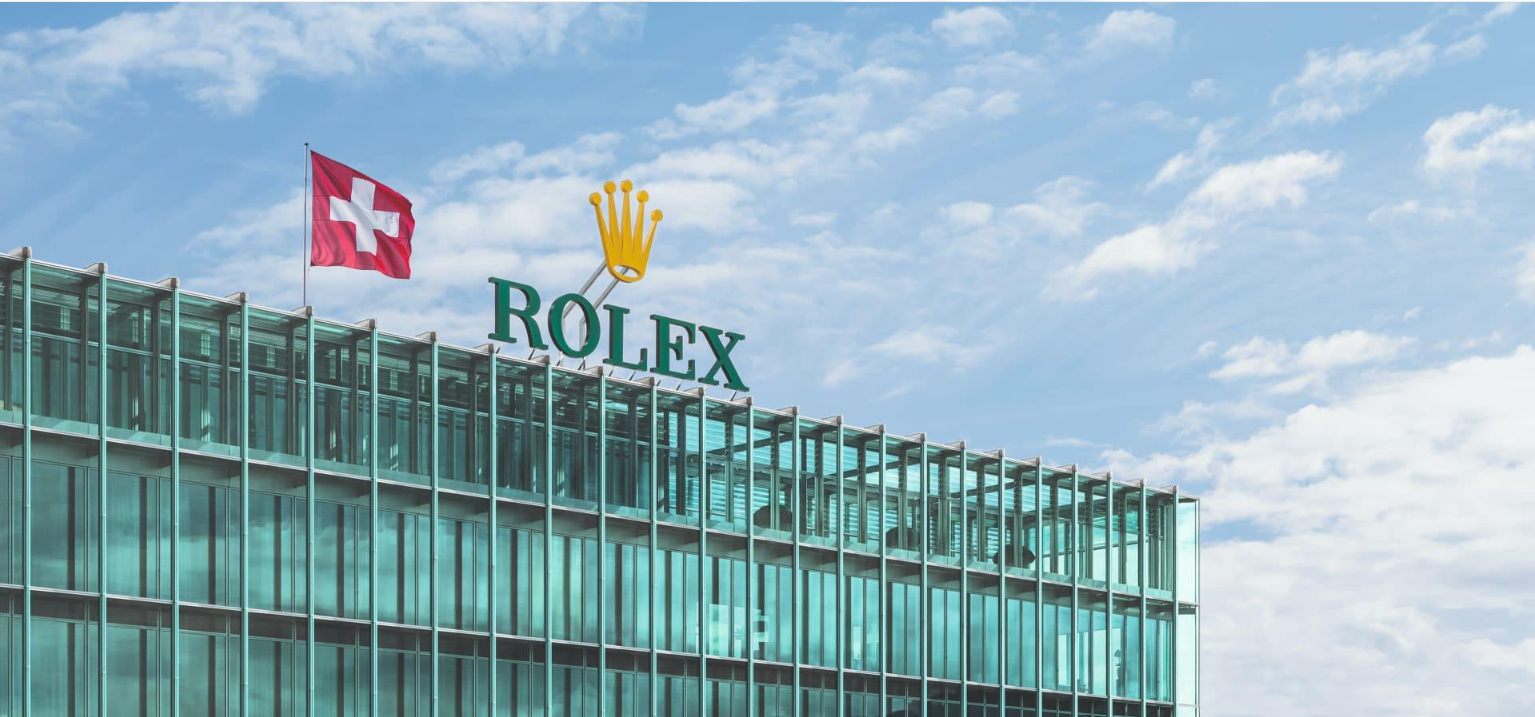
In the modern luxury industry, corporate success is frequently measured through market capitalization, shareholder returns and international expansion. Yet one of the world’s most influential watchmakers operates outside the conventional framework of public ownership. Rolex, the Swiss company whose crown has become an international symbol of achievement, is neither controlled by a wealthy family nor listed on a stock exchange. Its ultimate owner is the Hans Wilsdorf Foundation, an institution established by the company’s founder in 1945.
The arrangement makes Rolex a fascinating example of corporate independence. While publicly traded luxury businesses must balance long-term ambitions with shareholder expectations, Rolex operates under a fundamentally different ownership model. Its estimated annual revenue exceeds CHF 11 billion, placing it among the most commercially powerful businesses in Swiss watchmaking. Nevertheless, the company remains unusually private about its financial performance, internal governance and strategic decision-making.
Understanding Rolex requires looking beyond the watches themselves. Its success reflects more than a century of entrepreneurial ambition, manufacturing investment, disciplined brand management and carefully designed institutional ownership. Together, these elements have created a business empire capable of surviving long after the death of its founder.
Hans Wilsdorf and the Birth of an Entrepreneurial Vision
The Rolex story began in London in 1905, when a 24-year-old Hans Wilsdorf established a business specializing in the distribution of timepieces. At the time, pocket watches remained widely accepted, while wristwatches were often considered less reliable. Wilsdorf recognized an opportunity to combine the convenience of a wristwatch with the precision consumers expected from established timekeeping instruments. His ambition was to change how people understood and used watches.
The Rolex name emerged in 1908, providing the young enterprise with an identity suitable for international markets. In 1910, a Rolex wristwatch received an official Swiss precision certificate, followed four years later by a prestigious certification from Britain’s Kew Observatory. These achievements helped challenge perceptions surrounding the reliability of wristwatches. The company relocated to Geneva in 1919, establishing itself within one of the world’s most important watchmaking centres.
Wilsdorf’s entrepreneurial advantage was his understanding that technical achievement and commercial reputation could reinforce one another. Rather than relying exclusively on decorative design, he concentrated on developing products that demonstrated measurable improvements in performance. The introduction of the Oyster waterproof watch in 1926 and the Perpetual self-winding mechanism in 1931 strengthened the company’s technological identity. Rolex gradually established a reputation that competitors would find increasingly difficult to reproduce.
The Ownership Structure That Changed Everything
In 1945, Wilsdorf established the Hans Wilsdorf Foundation in Geneva. The institution subsequently became the owner of Rolex, providing a mechanism through which the enterprise could continue independently after his death in 1960. Unlike conventional corporate succession, which frequently involves transferring shares to family members or selling a business to outside investors, the arrangement placed ownership within a foundation.
The distinction is economically significant. Publicly traded companies have shareholders who can sell their interests, demand higher distributions or support changes in corporate control. Foundation ownership creates a different relationship between the operating business and its ultimate owner. Rolex is consequently not exposed to the same pressures from public equity markets, activist shareholders or potential stock market takeovers.
However, this does not mean that Rolex is an ordinary nonprofit organization or that every franc of its earnings is donated to charity. Rolex operates as a commercial watchmaking enterprise, while its foundation owner supports philanthropic and public-interest activities. The business must still generate profits, finance expansion, maintain employment and compete internationally. The precise allocation of group earnings between reinvestment, reserves and foundation distributions is not publicly disclosed.
The structure demonstrates that ownership can influence corporate strategy as profoundly as products or management. Wilsdorf created an institutional framework intended to preserve the enterprise beyond his lifetime. His achievement was therefore not simply establishing a valuable company, but designing a mechanism through which that value could endure.
The Economics of Manufacturing Independence

One of Rolex’s most significant competitive advantages is its control over manufacturing. The company operates specialized facilities across Switzerland, including production sites responsible for mechanical movements, cases, bracelets and other components. By developing substantial capabilities internally, Rolex can coordinate product development and manufacturing without relying entirely on independent suppliers. This approach is commonly known as vertical integration.
Vertical integration requires considerable financial investment. Manufacturing facilities, specialist machinery, technical research and employee training create costs that many smaller watchmakers cannot easily absorb. Rolex must maintain these capabilities even during periods of weaker demand, making disciplined production planning essential. However, controlling important manufacturing processes can strengthen quality assurance, protect technical knowledge and reduce exposure to external supply disruptions.
The company’s continued investment in Swiss production illustrates the importance of infrastructure ownership within its business model. Rolex has announced plans for an additional manufacturing facility in Bulle, expanding its existing industrial network. Such commitments represent a willingness to invest in productive capacity over extended periods rather than concentrating exclusively on immediate commercial returns.
This strategy also challenges the assumption that luxury businesses derive their value primarily from marketing. Brand reputation is undoubtedly important, but reputation becomes difficult to sustain without the operational capabilities necessary to support it. Rolex’s commercial strength is built partly upon the relationship between industrial expertise and consumer perception.
The Commercial Power of Scarcity and Reputation
Rolex occupies an unusual position within the luxury market because demand for certain watches frequently exceeds their immediate availability through authorized retailers. Customers seeking particular models may encounter limited inventory or lengthy purchasing processes. This has contributed to a perception of exclusivity that strengthens the desirability of the brand. However, the company’s exact production volumes, allocation methods and internal supply targets remain private.
It would therefore be inaccurate to assume that every shortage represents a deliberate attempt to restrict supply. Manufacturing capacity, quality requirements, model-specific demand and regional distribution decisions can all influence availability. Nevertheless, the commercial effect of limited access is significant. When a product becomes difficult to obtain, ownership can acquire greater social and emotional importance.
Rolex has also benefited from maintaining recognizable product identities over long periods. Instead of depending entirely on constantly changing designs, the company has developed collections that retain established visual characteristics while incorporating technical improvements. This continuity allows customers to recognize products across generations. It also helps protect the association between the brand and enduring value.
The broader lesson concerns the relationship between demand and brand management. Luxury businesses must generate sufficient sales to finance their operations without weakening the exclusivity that supports premium pricing. Managing this tension requires understanding when additional commercial volume creates value and when it risks undermining the qualities consumers are willing to pay for.
Controlling Distribution and Entering the Resale Economy
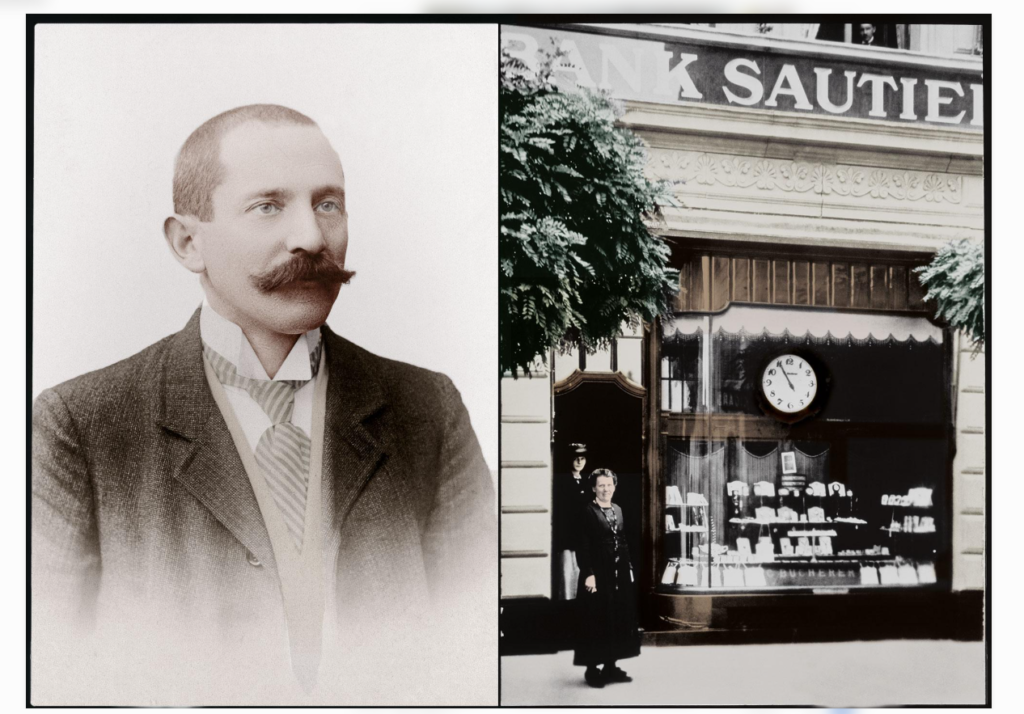
Rolex’s business strategy extends beyond manufacturing into the management of its retail relationships. For much of its history, the company has relied extensively on authorized dealers to connect with consumers. These partnerships provide access to international markets while allowing Rolex to establish standards surrounding product presentation and customer experience. The effectiveness of this network has become an important component of its commercial strength.
In 2023, Rolex announced the acquisition of Swiss luxury watch retailer Bucherer, a business with which it had maintained a commercial relationship since 1924. Bucherer officially became part of Rolex in 2024, extending the watchmaker’s interests into an established international retail operation. The acquisition provides Rolex with additional exposure to the distribution side of the luxury industry. However, its management has indicated that independent authorized retailers will remain central to its sales network.
The company has also introduced a certified pre-owned programme through participating official retailers. This initiative brings brand authentication and manufacturer-backed certification into an existing secondary market. For customers, it can reduce uncertainty surrounding authenticity and condition. For Rolex, it creates an opportunity to influence the experience of customers who purchase watches after their original sale.
An important distinction is that rising resale prices do not automatically translate into equivalent revenue for Rolex. Independent dealers and individual sellers retain much of the economic value generated through secondary-market transactions. Nevertheless, a credible resale ecosystem can reinforce consumer confidence and extend the commercial relevance of products beyond their initial purchase.
The Financial Strength of a Private Luxury Empire
Rolex’s financial scale is difficult to evaluate precisely because it does not publish comprehensive group accounts for public investors. Estimates attributed to Morgan Stanley and LuxeConsult place the company’s 2025 revenue at approximately CHF 11 billion, compared with about CHF 10.6 billion in 2024. These figures suggest modest annual growth and an exceptionally strong position within Swiss watchmaking. They remain external estimates rather than audited financial results released by Rolex.
The absence of comprehensive public financial disclosures creates both advantages and limitations. Competitors have restricted access to the company’s operating margins, capital allocation decisions and detailed production economics. At the same time, external observers cannot independently assess its profitability, financial obligations or the efficiency of every major investment. Independence from stock market disclosure requirements should not be mistaken for evidence that the business faces no financial risks.
Rolex also competes against powerful independent watchmakers and luxury conglomerates with extensive financial resources. Changes in consumer behaviour, economic downturns and weaker demand across important international markets could influence its performance. Maintaining industrial capacity and investing in future production require significant commitments regardless of short-term market conditions. Its ownership model may provide strategic flexibility, but effective management remains essential.
THE ABE TAKE | Building a Business That Outlives Its Founder
Hans Wilsdorf’s greatest achievement may not have been the creation of a prestigious watch brand. It may instead have been his recognition that enduring commercial success requires institutions capable of surviving the individuals who establish them. By placing Rolex under foundation ownership, he provided the company with a framework designed to protect its independence. That decision continues to influence how the enterprise operates decades after his death.
For entrepreneurs, the Rolex story demonstrates that corporate ownership should be treated as a strategic decision rather than merely a legal arrangement. The choice between family ownership, public listing, private investment and foundation ownership can determine how an organization allocates capital, manages succession and responds to external pressures. Different structures serve different purposes, and the Rolex model is not necessarily suitable for every business.
The enduring lesson is that building a powerful enterprise requires more than achieving exceptional sales or accumulating personal wealth. It requires developing productive capabilities, maintaining institutional knowledge and establishing governance that supports long-term decisions. Rolex built its reputation by manufacturing watches designed to endure, but its founder’s most consequential creation was arguably a company designed to do the same.
Understand More. Think Bigger.