










Through Chari, Ismael Belkhayat and Sophia Alj are transforming neighbourhood grocery stores into digitally connected businesses, demonstrating how traditional commerce can provide the foundation for a new financial technology enterprise.
By ABE Editorial Desk | ABE FOUNDER
November 28, 2026
Across Africa, neighbourhood grocery stores remain an essential part of everyday commercial life. Despite the expansion of multinational supermarket chains and digital marketplaces, independent merchants continue to serve communities that larger businesses cannot always reach efficiently. Yet many of these retailers operate with fragmented supply chains, limited financial resources and outdated administrative systems. Moroccan entrepreneurs Ismael Belkhayat and Sophia Alj recognized these challenges not simply as economic weaknesses, but as opportunities to build a scalable enterprise.
In 2020, the pair established Chari in Casablanca to modernize the relationship between small retailers and their suppliers. What began as a digital commerce platform has gradually evolved into a broader financial technology business. By combining merchandise distribution with regulated financial services, Chari is seeking to establish itself within the infrastructure supporting everyday commerce. Its development illustrates how entrepreneurs can create substantial commercial opportunities by improving existing industries rather than attempting to replace them entirely.
From Management Consulting to Entrepreneurship
Before establishing Chari, Belkhayat developed an international perspective through his education and professional experience. Having grown up in Morocco, he pursued university studies abroad before joining Boston Consulting Group. His experience in management consulting exposed him to corporate strategy, organizational development and the commercial challenges facing established businesses. After approximately three years, he returned to entrepreneurship in Morocco.
Sophia Alj brought complementary experience from McKinsey & Company, where she developed an interest in organizational and digital transformation. Their combined professional backgrounds provided a foundation for examining traditional retail from both strategic and operational perspectives. Rather than concentrating exclusively on consumers who were already comfortable with digital commerce, they identified opportunities among the merchants supplying those consumers. This approach placed Chari within an established commercial ecosystem instead of requiring the creation of an entirely new market.
Identifying the Opportunity Behind Neighbourhood Commerce

Traditional retailers frequently face challenges that larger supermarket chains can address through centralized purchasing and distribution. Independent shopkeepers may need to coordinate with several suppliers, negotiate purchasing conditions and maintain sufficient inventory without sophisticated management systems. Limited access to working capital can make these responsibilities even more difficult. Individually, such problems may appear relatively small, but collectively they represent a substantial commercial opportunity.
Chari introduced a digital platform through which merchants could purchase inventory and arrange delivery without relying entirely on conventional procurement channels. The business helps connect fragmented demand from small shops with established distribution networks. This arrangement can create operational efficiencies for retailers while providing suppliers with another means of reaching customers. The underlying opportunity is to become an intermediary that provides value to both sides of an existing commercial relationship.
Building a Business Beyond E-Commerce
Chari’s development reflects an important principle in entrepreneurship: the initial product does not necessarily represent the full commercial potential of a business. By helping merchants order goods, the company established relationships with businesses that also needed assistance managing payments, cash flow and financial transactions. These adjacent requirements presented an opportunity to expand beyond merchandise distribution. The company’s strategic direction consequently began shifting toward financial infrastructure.
In 2021, Chari joined Y Combinator’s summer accelerator programme and acquired Karny, a digital bookkeeping application designed for small merchants. The acquisition provided an additional connection to the financial activities taking place inside neighbourhood stores. Understanding how merchants record payments and customer debts can help technology companies design services suited to actual business requirements. However, such information must be managed responsibly to protect customers and comply with applicable regulations.
The company’s expansion illustrates how entrepreneurs can identify additional revenue opportunities by understanding the complete operating environment of their customers. Inventory purchasing, bookkeeping and payments are separate activities, but they are closely connected within everyday retail operations. Bringing these services together could reduce the administrative burden on merchants and strengthen their relationship with the platform. For Chari, that relationship represents a potentially valuable long-term commercial asset.
The $12 Million Investment and Financial Services Expansion
In October 2025, Chari announced a $12 million Series A funding round co-led by SPE Capital and Orange Ventures. Other participants included regional and international investors with experience supporting technology businesses. According to the announcement, the investment brought the company’s cumulative fundraising to $17 million at that point. DisrupTech Ventures subsequently joined through an extension of the financing round in November.
The capital raised provides Chari with resources to develop its technology, strengthen operations and expand its financial services. However, fundraising should not be confused with profitability or commercial success. Venture capital investors provide financing in anticipation of future returns, which ultimately depend on the company’s ability to establish a sustainable business model. Chari must therefore demonstrate that its growth can translate into durable financial performance.
An equally important milestone was obtaining a payment institution licence from Bank Al-Maghrib, Morocco’s central bank. The regulatory authorization allows Chari to develop payment-related services within an established legal framework. Its financial ecosystem now includes digital accounts, payment cards, merchant transactions and money transfers. This expansion fundamentally changes the scale and nature of the opportunity facing the company.
Turning Local Shops Into Financial Access Points
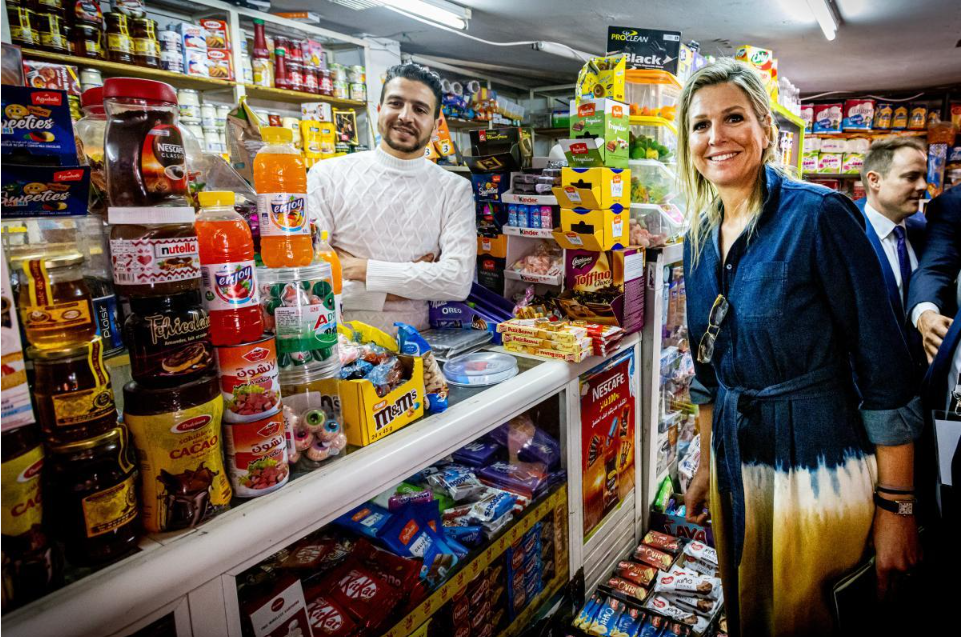
One of Chari’s most interesting strategic ambitions is to use neighbourhood retailers as distribution channels for financial services. Traditional shops already maintain relationships with local communities, making them potentially valuable access points for customers who find conventional financial institutions inconvenient. Rather than constructing an extensive network of dedicated branches, technology companies can establish partnerships with existing commercial businesses. This approach could make certain financial services more accessible while creating additional income opportunities for participating merchants.
Chari is also developing infrastructure that other businesses can use to introduce digital financial capabilities into their own products. Commonly described as Banking-as-a-Service, this model allows specialist providers to supply technology and regulated payment capabilities to commercial partners. Chari’s payment institution licence should not be confused with a full banking licence, and the services it provides remain subject to Moroccan regulatory requirements. Nevertheless, the strategy could allow the company to participate in financial transactions beyond those originating directly from its retail platform.
The Challenges of Building a Sustainable African Fintech Empire
Despite its progress, Chari operates in industries characterized by demanding financial and operational requirements. Merchandise distribution involves logistics costs, inventory management and pricing pressures that can limit profitability. Financial services introduce additional obligations involving cybersecurity, customer identification, transaction monitoring and regulatory compliance. Expanding both activities simultaneously requires considerable organizational discipline.
International expansion presents another challenge. Although traditional retail businesses across African markets may share common characteristics, individual countries have different consumer habits, infrastructure conditions and financial regulations. A successful operating model in Morocco cannot necessarily be transferred unchanged into another market. Chari’s long-term success will depend on its ability to adapt while maintaining the economic advantages of its technology.
The company’s current revenue, net profitability and detailed operating margins are not comprehensively disclosed to the public. Consequently, its financial sustainability cannot yet be assessed with the same confidence as that of an established publicly traded corporation. Its achievements demonstrate meaningful entrepreneurial progress, but the ultimate commercial outcome remains uncertain.
THE ABE TAKE | Building the Infrastructure Behind Everyday Commerce
The story of Ismael Belkhayat and Sophia Alj demonstrates that innovation does not always require creating an industry that previously did not exist. Significant opportunities can emerge from improving the systems behind businesses that already serve millions of people. Traditional retailers may lack the visibility associated with international corporations, but their collective economic importance creates opportunities for entrepreneurs capable of connecting them through efficient infrastructure.
Chari’s development from a commerce platform into a regulated financial technology enterprise reflects the value of understanding customers beyond their immediate purchasing requirements. The founders identified an existing commercial relationship and gradually expanded into the additional services surrounding it. Whether Chari ultimately becomes a major international financial infrastructure provider will depend on disciplined execution, customer trust and sustainable financial performance.
For aspiring entrepreneurs, the lesson is particularly relevant. The next influential business empire may not emerge from inventing an entirely new consumer product. It may instead come from recognizing the economic potential of businesses that society has depended upon for generations, but that modern technology has not yet adequately served.
Understand More. Think Bigger.