









Tuesday, November 10, 2026 | International Business & Private Wealth
By ABE Editorial Desk
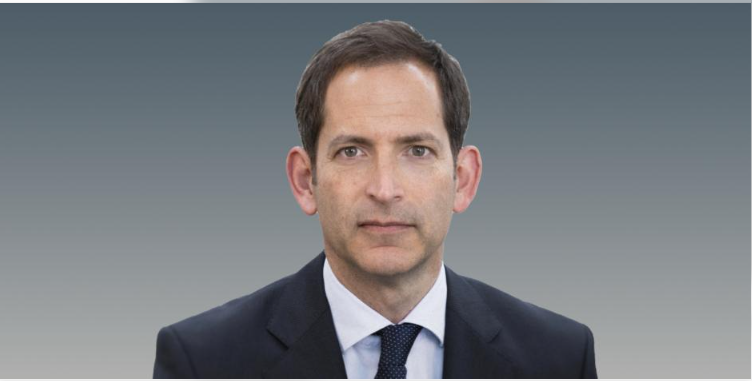
One of Europe’s most established family-owned business empires is preparing for a significant leadership transition, as the billionaire Brenninkmeijer family appoints an executive from outside its ownership circle to lead Cofra Holding, the Swiss-based investment group behind fashion retailer C&A. Georg Wunderlin, the former head of Schroders Capital, will become chief executive in April 2027, subject to regulatory approval. The appointment marks a notable departure from the family’s traditional leadership structure and reflects the increasing complexity of managing private wealth across international financial markets. With more than €40 billion in assets under management across its investment businesses, Cofra’s decision raises a broader question about how wealthy business families preserve control while adapting to a financial industry increasingly shaped by professional management, institutional investors and global competition.
A Historic Leadership Change for a 185-Year-Old Business Empire
Cofra Holding announced on November 10 that Wunderlin would succeed Boudewijn Beerkens, a member of the extended Brenninkmeijer family who has served as chief executive since 2019. Beerkens will retire after eleven years with the group, including eight as CEO, concluding a period in which Cofra expanded its investment activities and increased its engagement with external capital providers.
Wunderlin will also join Cofra’s board of directors. His appointment represents the first time the company has selected a chief executive from outside the founding family, although the Brenninkmeijers will retain full ownership of the holding group.
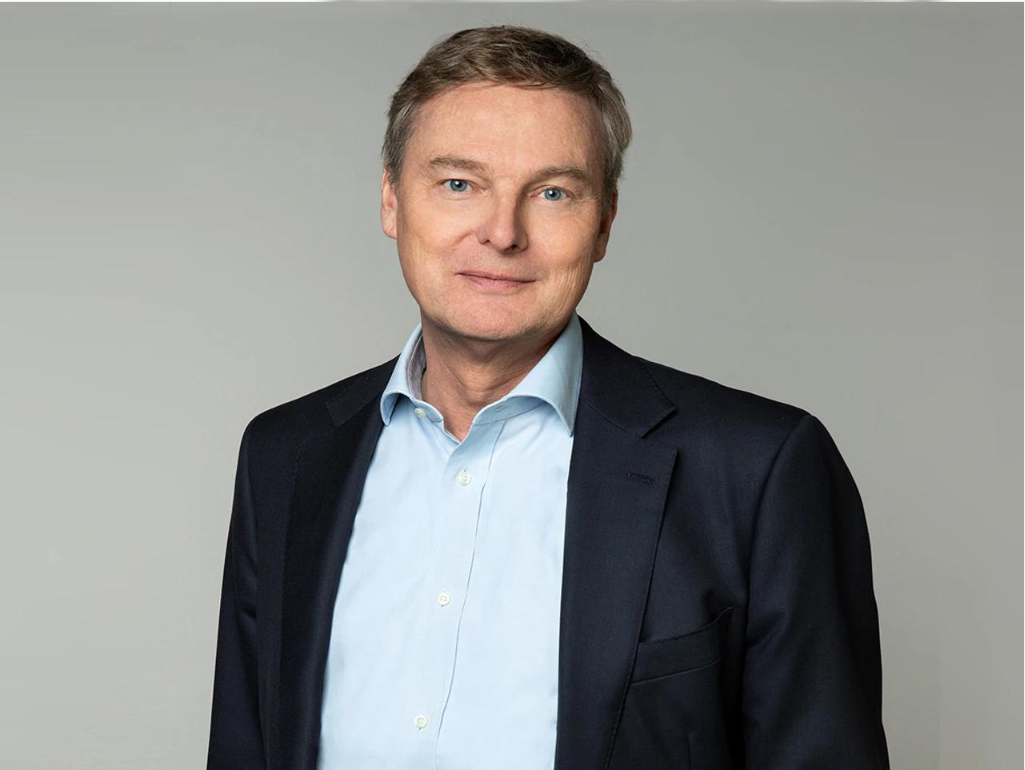
The transition follows another important governance decision. Florian Brenninkmeyer, a sixth-generation family member and former chief financial officer, was appointed to become chairman in April 2027. Together, the changes establish a structure in which family ownership and board oversight continue alongside professional executive management.
For a business with nearly two centuries of history, the arrangement represents a deliberate adjustment to its governance rather than a transfer of ownership.
From a Clothing Retailer to a Global Investment Institution

The Brenninkmeijer family’s commercial history dates to 1841, when brothers Clemens and August established the business that became C&A. The retailer eventually developed into an international fashion company, providing the financial foundation for a much broader family investment operation.
Today, Cofra operates across several industries, including retail, private equity, real estate and asset management. Its principal investment businesses include Bregal, which specialises in private equity; Redevco, an international real estate investment manager; and Anthos Fund & Asset Management, which manages investment portfolios.
The family’s continued ownership has allowed the group to pursue strategies over periods longer than those typically associated with publicly traded companies. Without the same quarterly shareholder pressures faced by listed corporations, privately controlled investment groups can maintain long-term positions, reinvest earnings and make decisions that may take years to produce financial results.
However, the scale of Cofra’s operations has also changed the requirements of its leadership. Managing an international investment organisation demands expertise in financial markets, risk management, regulation and relationships with institutional investors. These responsibilities extend well beyond the management of the retail business from which the family’s wealth originated.
Why Cofra Chose a Private Markets Specialist
Wunderlin brings extensive experience in developing private investment businesses. He joined Schroders in 2019 as global head of private assets before becoming chief executive of Schroders Capital, the British investment manager’s private markets division.
During his tenure, assets under management at Schroders’ private investment business increased from approximately $38 billion to $116 billion. The expansion reflected acquisitions, the integration of specialist investment managers and organic growth, supported by shared fundraising and operational infrastructure.
His appointment suggests that Cofra intends to place greater emphasis on expanding its investment platforms rather than relying exclusively on the capital accumulated by the founding family. The company has identified Bregal, Redevco and Anthos as important areas for future development.
This approach reflects a wider change in private markets. Institutional investors increasingly seek access to private equity, real estate and other investments outside traditional stock and bond markets, while asset managers compete to attract long-term commitments from pension funds, insurers and wealthy investors.
For Cofra, the challenge will be to expand its investment activities without losing the independence and long-term approach that have historically distinguished its family ownership.
Family Capital Meets Institutional Investment
Under Beerkens, Cofra’s investment businesses expanded to manage more than €40 billion in assets, while launching 26 investment strategies and funds. The group also opened more of its operations to external investment partners, creating opportunities to manage capital beyond the family’s own financial resources.
This development is commercially significant. When an investment firm begins managing money for outside clients, its responsibilities become more complex. It must demonstrate consistent investment processes, transparent reporting, appropriate risk controls and the ability to generate competitive returns.
External capital can accelerate expansion by increasing the resources available for investment without requiring the founding family to finance every opportunity. At the same time, institutional clients introduce expectations that may differ from those of a family investor willing to hold assets for generations.
The distinction between ownership and assets under management is important. Cofra’s reported €40 billion-plus figure represents assets managed across its investment businesses, not a verified estimate of the Brenninkmeijer family’s personal fortune or the holding company’s equity value.
The group’s future success will depend partly on its ability to combine patient family capital with the operational discipline expected by institutional investors.
The Governance Challenge Facing Wealthy Business Families
Cofra’s leadership transition illustrates a challenge facing multigenerational family enterprises around the world. As companies grow beyond their original industries, the expertise required to manage them can become increasingly specialised, while ownership remains concentrated among descendants of the founders.
The Brenninkmeijer family continues to own 100% of Cofra, with approximately 50 to 60 family members participating in its ownership structure. This concentration gives the family considerable influence over the company’s long-term direction, even as management responsibilities become more professionalised.
Separating ownership from executive leadership can provide access to experienced managers while preserving family control through boards, governance arrangements and investment policies. Yet the effectiveness of this model depends on clearly defined responsibilities and a shared understanding of commercial objectives.
For Cofra, the leadership transition also arrives during a period of growing competition in private investment management. Large global institutions have expanded their presence in private markets, creating pressure on smaller and specialised managers to strengthen distribution, operational capabilities and investment performance.
The group’s ability to maintain its identity while competing in this environment will become an important measure of the new leadership’s effectiveness.
THE ABE TAKE
The Brenninkmeijer family’s decision to appoint an external chief executive demonstrates an important principle of long-term wealth preservation: ownership and management do not always need to remain in the same hands. Families that build substantial businesses across generations eventually face a choice between maintaining traditional leadership arrangements and introducing specialised expertise capable of managing increasingly complex operations. Cofra’s approach suggests that preserving family control may sometimes require changing how that control is exercised.
The development also highlights how private business empires evolve. C&A established the family’s commercial foundation, but Cofra’s present activities extend far beyond clothing retail. Its investment businesses now operate in markets where access to capital, institutional relationships and disciplined investment management are essential competitive advantages. The family’s wealth is therefore supported not simply by the endurance of its original business, but by its capacity to develop new financial capabilities.
There are risks in this transition. Expanding assets under management does not automatically guarantee stronger investment returns, and attracting external clients introduces additional obligations that can challenge the flexibility traditionally enjoyed by family-owned investment groups. Professional management must therefore be judged by capital allocation, risk discipline and sustainable performance rather than growth alone.
For business owners and investors, Cofra offers a broader lesson about building institutions that can survive their founders. The strongest family enterprises are not necessarily those that preserve every original management practice. They are those capable of protecting their underlying ownership principles while adapting their structures to new economic realities. The Brenninkmeijer family’s next chapter will test whether nearly two centuries of private ownership can remain a competitive advantage in an increasingly institutionalised investment world.
ABE MAGAZINE
Understand More. Think Bigger.