








November 17, 2026
By ABE Editorial Desk
For decades, American troops stationed across Europe have represented more than military strength. Their presence has served as a visible guarantee of the transatlantic security relationship. Now, as Washington reviews its military deployments and European governments confront the possibility of fewer American forces, NATO faces a difficult question: how much responsibility can Europe assume for its own defence, and how quickly can it build the capabilities required?
Europe’s security establishment is confronting a decision that could reshape the balance of military responsibility across the Atlantic.
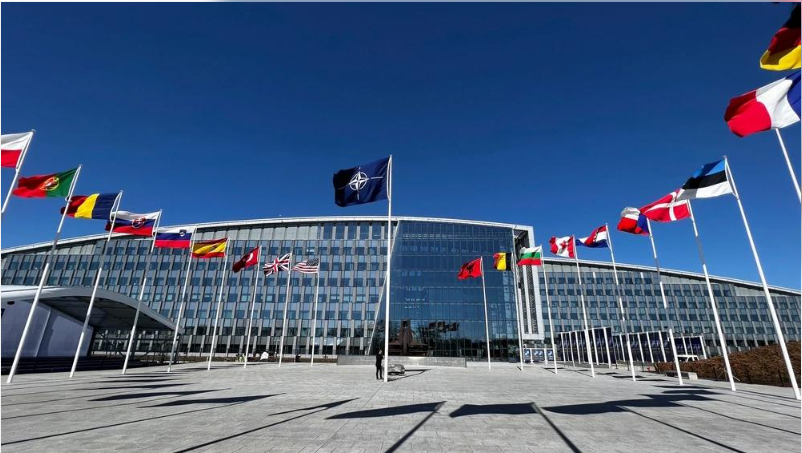
On November 17, NATO allies prepared to discuss Washington’s ongoing review of American troop deployments in Europe with senior Pentagon official Elbridge Colby.
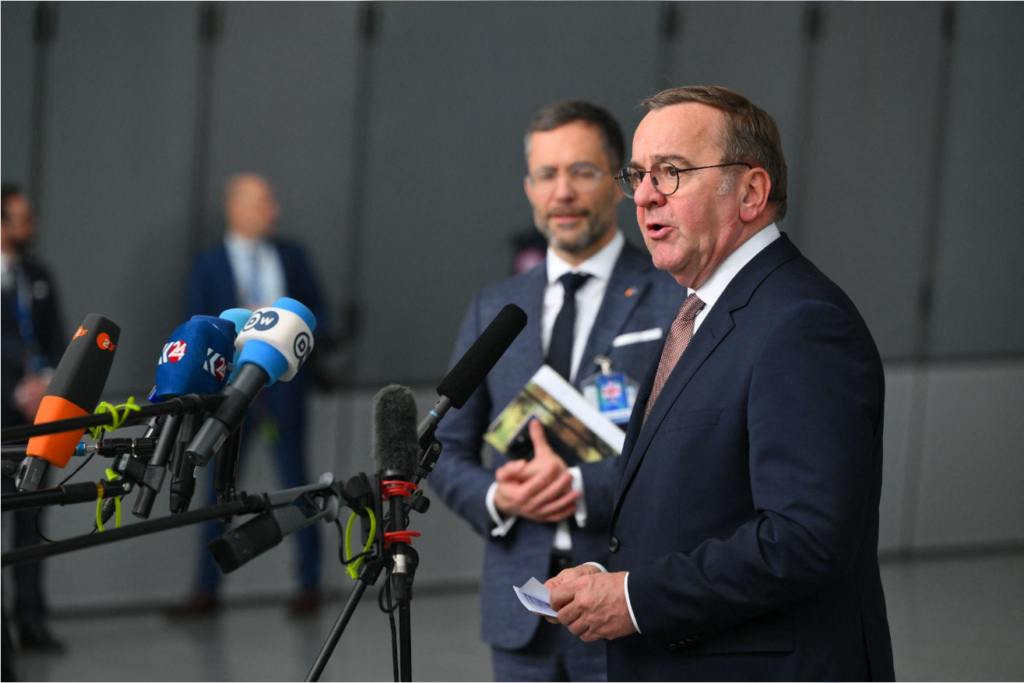
German Defence Minister Boris Pistorius said the discussions would focus on ensuring that any changes to the American military presence did not create dangerous weaknesses in Europe’s defences.
Approximately 80,000 American military personnel are stationed across Europe, including roughly 35,000 in Germany.
Although the Pentagon has not announced a final withdrawal plan, the possibility of reductions has intensified debate over Europe’s ability to defend itself.
The US troop review in Europe comes as Russia’s war against Ukraine continues, European governments increase military expenditure and Washington directs greater strategic attention toward the Indo-Pacific.
The issue is no longer simply how many American soldiers remain in Europe. It is whether NATO can preserve credible deterrence while its largest military power adjusts its global priorities.
Washington’s Military Review Raises New Questions
The Pentagon began its review of American troop deployments in June 2026.
US Defence Secretary Pete Hegseth presented the exercise as part of a broader effort to reassess military commitments and encourage allies to assume greater responsibility for their security.
Washington has repeatedly argued that European governments should contribute more to collective defence.
The current review could eventually lead to changes in troop numbers, locations or military responsibilities.
However, no final decision has been publicly confirmed.
Some officials and analysts have discussed the possibility of relocating approximately 5,000 troops from Germany to other locations, including Asia or NATO’s eastern flank.
These possibilities remain speculative rather than approved deployment plans.
Pistorius expects greater clarity before Christmas.
For European governments, the immediate priority is ensuring that any American adjustments occur through consultation rather than abrupt decisions.
A poorly coordinated reduction could leave gaps in capabilities that European forces cannot immediately replace.
Why American Troops Remain Central to European Security
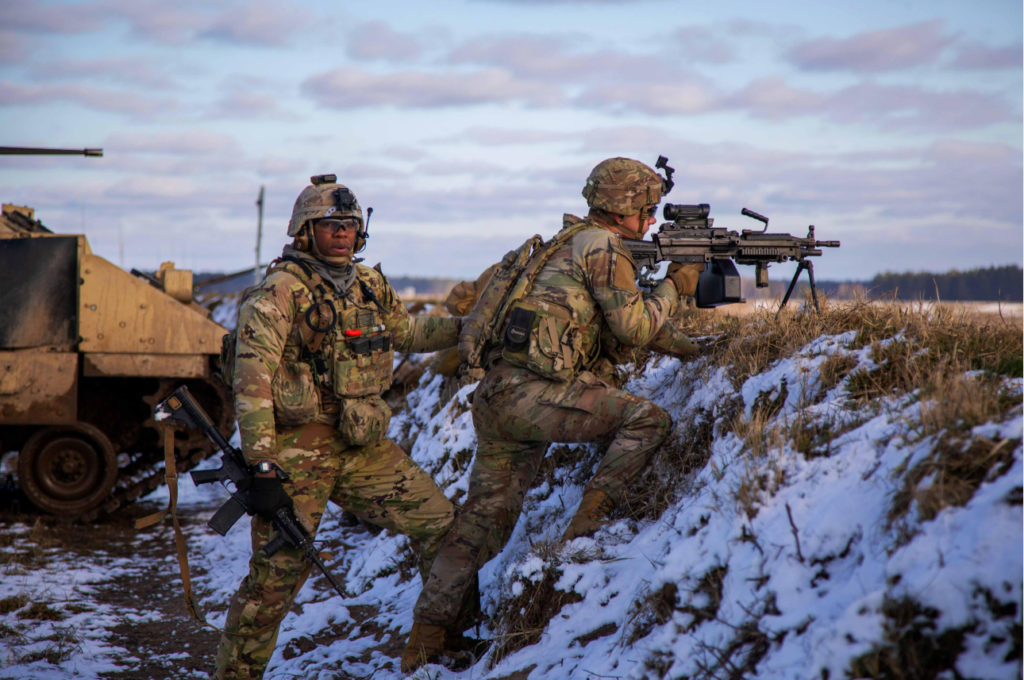
The United States provides capabilities that extend far beyond the number of personnel stationed in Europe.
American forces contribute intelligence, strategic transport, advanced air defence, logistics and military command infrastructure.
These capabilities support NATO’s ability to deploy troops, coordinate operations and respond rapidly to threats.
Germany plays a particularly important role because it hosts major American military installations and logistical facilities.
Those bases support operations across Europe and beyond.
A reduction in American personnel would not necessarily mean that NATO’s defence commitments had weakened.
The impact would depend on which units moved, what equipment remained and whether other allies could replace the affected capabilities.
A transfer of administrative personnel would have different consequences from the withdrawal of combat forces or specialised military assets.
This distinction is central to the debate.
Military effectiveness depends on readiness, equipment, coordination and operational support—not simply troop totals.
Russia’s War in Ukraine Makes the Timing Critical
The discussion comes during a period of sustained insecurity in Europe.
Russia’s war against Ukraine has reinforced concerns about military aggression, territorial defence and the vulnerability of civilian infrastructure.
NATO has strengthened its eastern flank through multinational deployments, air policing and additional military exercises.
The alliance maintains forward land forces in nine member countries along its eastern frontier.
These deployments are intended to demonstrate that NATO can respond collectively to threats against its members.
Ukraine is not a NATO member, but the war has profoundly influenced the alliance’s security planning.
European governments have increased military assistance to Kyiv while strengthening their own defence capabilities.
On November 17, Germany and Norway also announced support for another $300 million package of American weapons for Ukraine, with an emphasis on air defence.
The package includes Patriot missile systems and related equipment.
The timing illustrates the competing pressures facing NATO.
European governments must continue supporting Ukraine while preparing for the possibility that Washington will redistribute some of its military resources.
Europe’s Defence Spending Is Rising, but Money Is Not Enough
European governments have responded to growing security concerns by increasing military expenditure.
At NATO’s 2025 summit in The Hague, allies committed to investing 5% of gross domestic product annually in defence and related security priorities by 2035.
The commitment includes at least 3.5% of GDP for core military requirements and up to 1.5% for broader defence and security-related investments.
According to NATO, European allies and Canada increased their combined defence expenditure by nearly 20% in real terms in 2025.
These increases demonstrate a significant shift in political priorities.
However, larger budgets do not automatically create stronger armed forces.
Governments must recruit and train personnel, expand ammunition production, acquire equipment and improve military infrastructure.
Some advanced capabilities take years to develop.
Europe also faces challenges involving fragmented procurement systems and different national military requirements.
When countries purchase incompatible equipment or maintain separate production programmes, they can lose opportunities to reduce costs and improve coordination.
The central challenge is converting higher expenditure into operational readiness.
The Indo-Pacific Is Changing Washington’s Priorities
American military planning increasingly reflects competition with China.
The Indo-Pacific contains strategically important shipping routes, advanced technology industries and several major American security partners.
Washington must therefore balance commitments in Europe with growing demands elsewhere.
Pistorius acknowledged that a stronger American focus on the Indo-Pacific would likely occur under any US president.
This suggests that Europe’s defence debate extends beyond the political decisions of the current administration.
The United States faces long-term strategic pressures that could encourage it to redistribute military resources.
For European allies, this creates a difficult reality.
They cannot assume that America’s existing military footprint will remain unchanged indefinitely.
At the same time, Washington continues to benefit from a stable European security environment.
NATO provides military cooperation, intelligence relationships and strategic infrastructure that support American interests.
The challenge is finding a sustainable division of responsibilities without weakening the alliance.
NATO’s Collective Defence Commitment Remains in Place
The prospect of troop reductions has generated concern about NATO’s future.
However, a review of military deployments is not equivalent to withdrawing from the alliance.
NATO’s Article 5 establishes the principle that an armed attack against one member is considered an attack against all.
Allies are obligated to provide assistance, although each government determines the measures it considers necessary.
That commitment remains a foundation of transatlantic security.
The practical credibility of collective defence nevertheless depends on military readiness.
An alliance may possess strong political commitments but struggle to respond effectively if its forces lack equipment, transport or coordination.
European governments therefore face two connected responsibilities.
They must maintain confidence in NATO’s political unity while strengthening the military capabilities required to support it.
The American review will test how successfully those objectives can be pursued together.
What a Smaller US Presence Could Mean for Europe
A reduction in American forces could have several consequences.
European governments might accelerate defence procurement and invest more heavily in domestic military production.
Countries hosting American installations could face adjustments affecting local employment, infrastructure and defence-related services.
Military planners would also need to reassess deployment arrangements and logistical requirements.
However, the consequences would depend heavily on the scale and nature of any changes.
A limited, coordinated redeployment could encourage greater European responsibility without significantly weakening NATO.
A rapid reduction involving critical capabilities could create more serious operational challenges.
For defence manufacturers, higher European spending may generate commercial opportunities.
Yet governments must ensure that industrial expansion produces equipment suited to actual military requirements.
The coming weeks will therefore matter less for the political symbolism of troop numbers than for the operational details of Washington’s eventual decisions.
THE ABE TAKE
The debate over American troop levels exposes a structural challenge that NATO has faced for decades.
Europe possesses substantial economic resources, advanced industries and experienced armed forces. Nevertheless, it continues to depend heavily on American military capabilities in several critical areas.
Washington’s review makes that dependence increasingly difficult to ignore.
European governments have begun spending more, but financial commitments are only the beginning.
Credible defence requires trained personnel, sufficient ammunition, effective logistics, integrated command systems and the ability to respond quickly during a crisis.
The United States also has an interest in avoiding a disorderly transition.
A weakened European security environment would create risks for American strategic interests and could require greater military involvement later.
The strongest outcome would therefore be a carefully coordinated adjustment that strengthens European capabilities while preserving NATO’s collective defence commitments.
For ABE Magazine, the central question is not whether Europe can replace every American soldier.
It is whether European governments can assume greater responsibility without allowing dangerous gaps to emerge during the transition.
NATO’s future will depend less on promises of higher defence spending than on whether its members can turn those promises into credible military strength.
ABE MAGAZINE
Understand More. Think Bigger.