






November 19, 2026
By ABE Editorial Desk
Nearly a decade after hundreds of thousands of Rohingya fled Myanmar, the world’s highest United Nations court has delivered a historic judgment. The International Court of Justice has found Myanmar responsible for genocide during its 2017 military operations. The decision offers long-awaited recognition to survivors, but it also exposes a difficult reality: establishing responsibility under international law does not automatically guarantee justice, compensation or a safe return home.
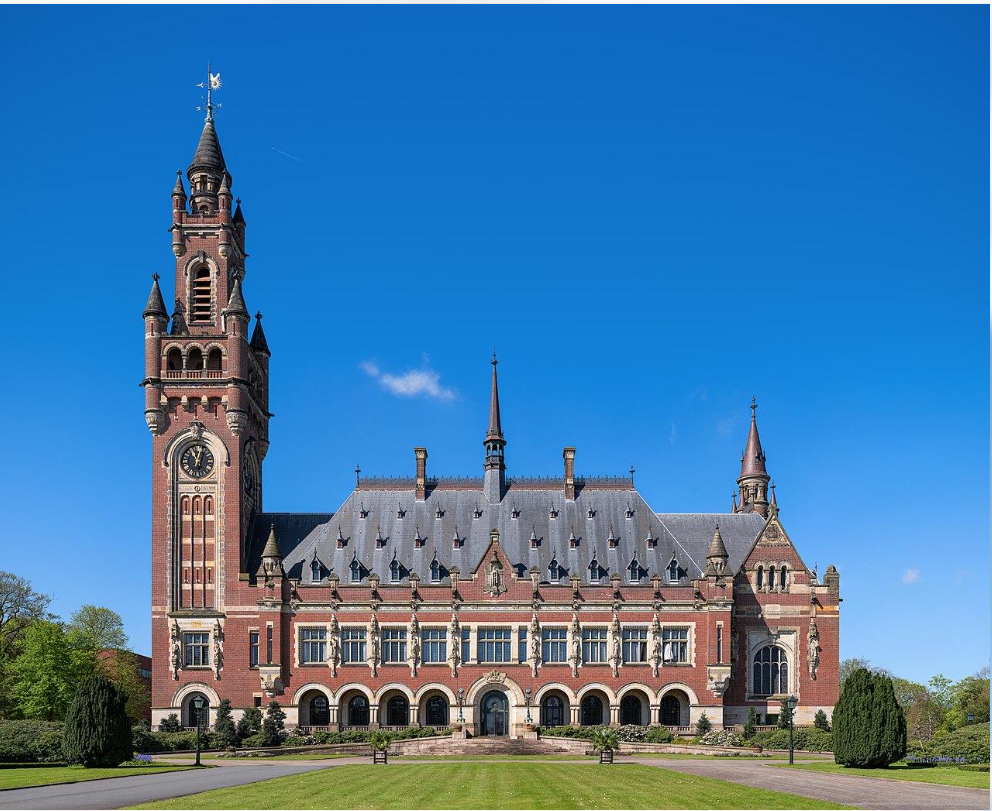
For years, Rohingya survivors have waited for the international community to formally recognise the destruction of their communities. On November 19, 2026, that recognition arrived from the International Court of Justice in The Hague. The court ruled that Myanmar committed genocide against the Rohingya minority during military operations in northern Rakhine State in 2017, finding that its security forces carried out atrocities with the intention of destroying a substantial part of the protected population.
The Myanmar Rohingya genocide ruling represents a major development in international justice. It is the first time the International Court of Justice has held a state responsible for committing genocide. The judgment creates obligations for Myanmar to prevent further violations, investigate suspected perpetrators and provide remedies to victims. Yet it also raises a fundamental question: what happens when an international court delivers a binding judgment against a government that may resist implementing it?
A Historic Judgment After Years of Legal Proceedings
The case began in November 2019, when The Gambia brought proceedings against Myanmar under the 1948 Genocide Convention. The West African country argued that Myanmar had violated its international obligations through military operations targeting the Rohingya. Although The Gambia was not directly affected by the violence, the Convention allows states to invoke obligations intended to protect people from genocide. Myanmar challenged the proceedings, but the court confirmed its jurisdiction in July 2022.
After years of legal arguments and examination of evidence, the judges delivered their judgment on November 19. The court concluded that Myanmar had committed genocide against the Rohingya in northern Rakhine State and had failed to prevent and punish genocide. It also identified violations of obligations to enact appropriate domestic legislation and preserve evidence required under an earlier provisional-measures order.
However, the judges did not find that Myanmar had directly and publicly incited private individuals to commit genocide. These distinctions matter because the court assessed specific legal obligations rather than issuing a general political condemnation. Its findings establish responsibility through a judicial process grounded in evidence and international law.
What Happened to the Rohingya in 2017?
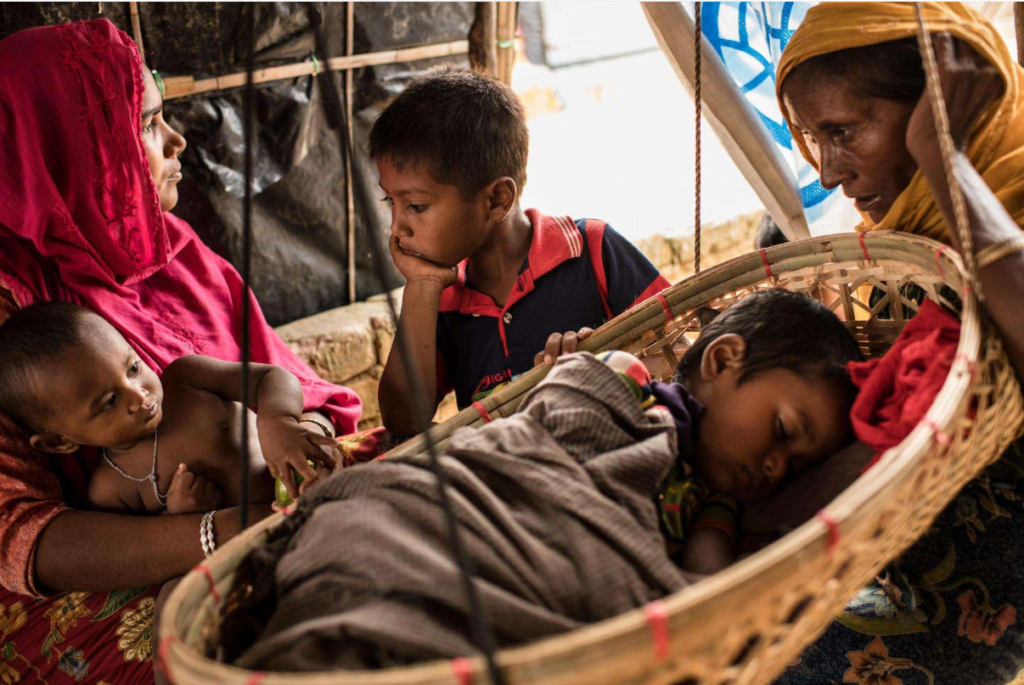
The Rohingya are a predominantly Muslim minority who have experienced decades of discrimination and restrictions in Myanmar. Many have been denied citizenship and subjected to severe limitations on movement, employment and access to essential services. In August 2017, Myanmar’s military launched extensive operations in Rakhine State following attacks by Rohingya insurgents on security posts.
The military described its actions as a response to security threats. However, international investigations documented widespread attacks against civilians, including killings, sexual violence and the destruction of villages. More than 700,000 Rohingya fled across the border into Bangladesh, creating one of the world’s largest refugee emergencies.
The International Court of Justice has now concluded that the violence went beyond unlawful military operations. Its judgment identified killings, widespread rape, serious harm and measures intended to prevent births within the protected group. The court found that the evidence established the specific intent required under international law to prove genocide, rejecting Myanmar’s historical position that the operations were simply a legitimate response to insurgent attacks.
Why Proving Genocide Is Legally Difficult
Genocide is among the most serious violations recognised under international law, but not every mass killing or widespread attack against civilians automatically meets its legal definition. The Genocide Convention requires proof of certain prohibited acts committed with the intention of destroying, in whole or in part, a protected national, ethnic, racial or religious group. That requirement makes genocidal intent central to the legal assessment.
Judges must distinguish between crimes committed during armed conflict and actions undertaken with the particular intention of destroying a protected population. In the Myanmar case, the court examined patterns of violence, the treatment of civilians and the circumstances surrounding military operations. It concluded that the only reasonable inference from the established conduct was an intention to destroy a substantial part of the Rohingya population in northern Rakhine State.
That conclusion establishes an important precedent for future international proceedings. However, every case depends on its own evidence and legal circumstances, meaning the ruling does not predetermine the outcome of other disputes involving allegations of genocide. Its wider importance lies in demonstrating how international courts can establish state responsibility through detailed legal examination.
Bangladesh and the Refugees Still Waiting to Return
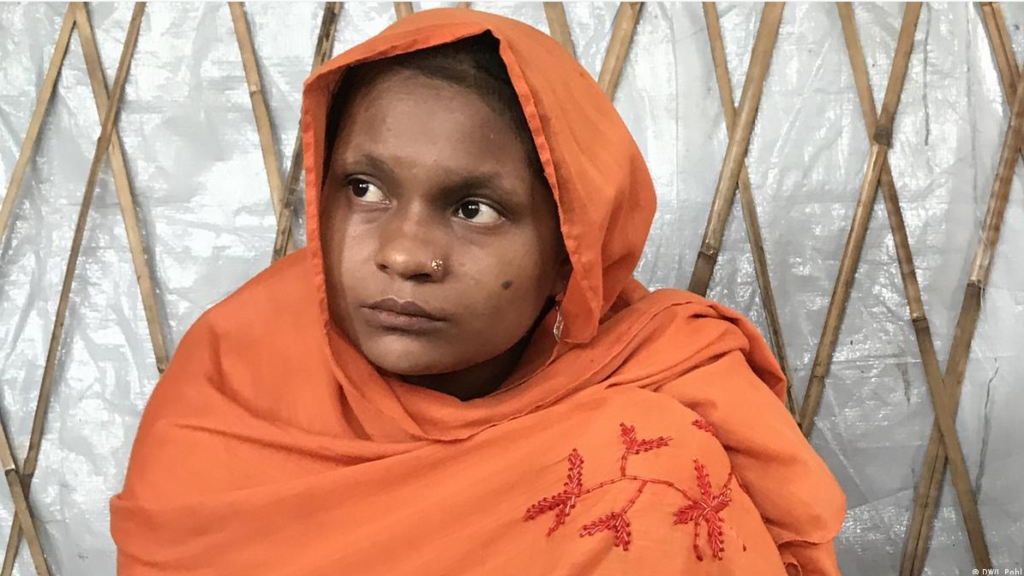
The judgment has immediate emotional significance for Rohingya refugees living in Bangladesh. Approximately 1.2 million Rohingya live in the Cox’s Bazar refugee settlement, according to reporting surrounding the decision. Many families have spent years in overcrowded camps with limited economic opportunities and uncertain futures, while children have grown up without experiencing ordinary life in their communities of origin.
The ruling provides international legal recognition of the violence that forced many families from their homes. However, recognition does not resolve their displacement, and returning to Myanmar would require credible guarantees of safety, freedom from persecution and access to basic rights. The court ordered measures of restitution, including safe, voluntary and dignified returns and family reunification.
These obligations could become central to future diplomatic discussions, but the practical conditions for large-scale repatriation remain difficult. Myanmar continues to experience political instability and armed conflict, while the Rohingya face longstanding discrimination. For refugees, the central question is whether the judgment will eventually change their living conditions rather than simply establish a historical record of wrongdoing.
Myanmar Faces New Legal Obligations
The court’s ruling is binding and cannot be appealed. Myanmar must cease ongoing violations of the Genocide Convention and take effective measures to prevent similar crimes. The judgment also requires authorities to investigate individuals reasonably suspected of prohibited acts and, where appropriate, prosecute and punish them.
Importantly, the court ordered restitution and compensation for the Rohingya. The amount and detailed arrangements for compensation will be considered in a later phase of the proceedings. Myanmar must submit a report within two years describing restitution measures and proposals concerning compensation, creating a framework through which compliance can be assessed.
However, the International Court of Justice does not operate like a domestic criminal court. It determines responsibility between states rather than sentencing individual perpetrators to imprisonment. Criminal accountability for specific individuals would require separate legal proceedings before competent courts, meaning the judgment establishes Myanmar’s responsibility without resolving every question of individual criminal liability.
The Enforcement Problem Facing International Justice
The greatest challenge now concerns implementation. The International Court of Justice has authority to issue binding judgments, but it lacks its own enforcement force. Governments may comply with rulings because of legal obligations, diplomatic pressure or concerns about international credibility, yet enforcement becomes more complicated when a state refuses to cooperate.
Myanmar has experienced prolonged military rule, armed conflict and international isolation, conditions that could make the judgment difficult to implement. International organisations and governments may seek to increase diplomatic pressure, support accountability mechanisms or assist refugees. Nevertheless, meaningful compliance will require changes inside Myanmar and cooperation from authorities capable of carrying out the court’s orders.
This creates a gap between legal achievement and practical justice. The court has established responsibility, but it cannot independently rebuild destroyed communities, guarantee security or compensate victims. Those outcomes depend on sustained political and institutional action, demonstrating why international justice cannot end with a courtroom decision.
What the Judgment Means for International Law
The decision could influence how international courts evaluate state responsibility for genocide. It demonstrates that a country can bring proceedings under the Genocide Convention even when the atrocities occurred beyond its own borders. The Gambia’s involvement illustrates the principle that preventing genocide is a collective international responsibility rather than a matter concerning only neighbouring states.
The ruling may also influence legal arguments in other pending cases, although it should not be interpreted as an automatic determination of responsibility in unrelated conflicts. Each proceeding requires its own examination of evidence, jurisdiction and legal standards. The broader significance lies in the court’s willingness to determine state responsibility after years of contested proceedings.
The judgment reinforces the idea that international legal obligations continue to apply even when governments deny wrongdoing or resist external scrutiny. Its lasting influence will depend partly on whether the international community can translate legal findings into meaningful remedies. Without implementation, even a historic decision risks becoming another example of the distance between international law and the realities experienced by vulnerable populations.
THE ABE TAKE
The Myanmar genocide ruling is a major achievement for international justice, but it also exposes the limitations of the international legal system. For Rohingya survivors, the judgment establishes something that years of denial attempted to obscure: the violence committed against their communities amounted to genocide. That recognition strengthens the historical record, challenges official narratives and creates legal obligations that cannot simply be dismissed as political accusations.
Yet recognition is only one dimension of justice. Families who lost relatives, homes and livelihoods need more than a judicial declaration; they need security, access to their communities, compensation and meaningful protection against future persecution. The court has provided a legal framework for those outcomes, but the challenge now falls to Myanmar’s authorities and the wider international community.
Diplomatic statements will mean little if the conditions that enabled the atrocities remain unchanged. For ABE Magazine, the most important lesson is that international law must be judged not only by the strength of its decisions, but also by its ability to influence what happens afterward. The ruling has established responsibility, and the next test is whether that responsibility produces accountability and restitution.
A historic judgment can recognise an injustice. Its lasting significance will depend on whether survivors finally experience justice in their own lives.
ABE MAGAZINE
Understand More. Think Bigger.